
Zygote
2026-01-14
Zygote: The Beginning of Human Life
A zygote is the very first stage of human development—a single cell formed when a sperm successfully fertilizes an egg. This tiny cell carries the complete genetic code of a new individual, containing DNA from both parents. It marks the moment when life officially begins on a biological level.
From a two-sex perspective, the formation of a zygote is the perfect fusion of male and female reproductive cells. The sperm contributes half of the chromosomes, and the egg contributes the other half. Together, they create a genetic blueprint that determines traits such as eye color, height, and even biological sex.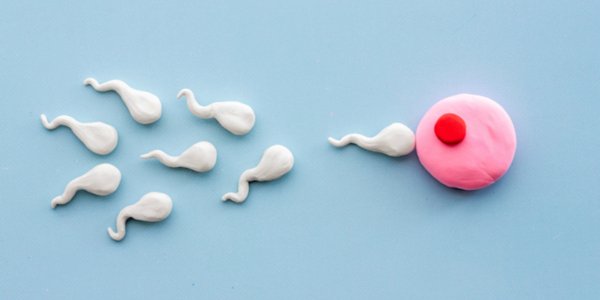
The Role of the Zygote in Reproduction
After fertilization, the zygote begins dividing rapidly through a process called mitosis. Within a few days, it becomes a cluster of cells known as a blastocyst, which later implants in the uterine wall—beginning pregnancy.
This process represents the bridge between conception and embryo development. Though microscopic, the zygote plays a vital role in shaping every stage of early human growth. Understanding this stage also helps explain fertility, conception timing, and pregnancy health.
FAQ
What is zygote in short answer?
A zygote is a fertilized egg cell created when a sperm and egg unite, forming the first stage of human life with a full set of chromosomes.
Is a zygote not a baby?
A zygote isn’t yet a baby—it’s the earliest cellular stage after fertilization. It must divide, implant, and develop into an embryo before forming a fetus.
What is a zygote in pregnancy?
In pregnancy, a zygote is the fertilized egg that travels to the uterus for implantation. Once attached, it begins developing into an embryo.
Are eggs a zygote?
No, an egg alone isn’t a zygote. It becomes a zygote only after it’s fertilized by sperm, combining genetic material from both parents.
Do zygotes have a gender?
Yes, the zygote’s chromosomes determine gender. An XX pair creates a female, while an XY pair creates a male. Gender is set at fertilization.
How long does a zygote last?
The zygote stage lasts about four days after fertilization before developing into a blastocyst and implanting in the uterine wall.
What happens if a zygote splits?
If a zygote splits early in development, it can result in identical twins, since each split cell shares the same genetic material.
How many days after your period can you get pregnant?
Pregnancy is most likely to occur 10–14 days after your period, during ovulation, when an egg is released and ready for fertilization.
Buy Sex Doll from XdollCtiy
XdollCity offers a range of highly customizable adult dolls, designed to provide emotional connection and companionship. Whether you're seeking therapeutic relief or simply a way to enhance your personal life, our dolls are tailored to meet your needs. Order your personalized companion today and start your journey toward better intimacy.


29%
OFF
EU Stock - Maya 76cm/2′6″ Torso - The Ultimate Big Butt Real Doll for Unforgettable Pleasure
$ 822.00
$ 1,174.00