
Wilhelm Stekel
2025-12-01
Wilhelm Stekel: The Pioneer Who Linked Psychology and Sexuality
Wilhelm Stekel (1868–1940) was an Austrian physician and one of the earliest psychoanalysts to explore the connection between human psychology and sexual behavior. A former colleague of Sigmund Freud, Stekel played a significant role in shaping the early theories of sexuality, neurosis, and emotional repression.
While Freud focused on the unconscious and symbolic meaning of sex, Stekel emphasized how sexual expression and inhibition directly shaped emotional well-being. He believed that sexual desires, when repressed or misunderstood, often manifested as psychological disorders such as anxiety or hysteria.
Stekel’s writings bridged the gap between psychoanalysis and everyday sexuality, helping to normalize open discussion of sexual topics in psychology. His ideas influenced later developments in sex therapy and modern understanding of sexual diversity.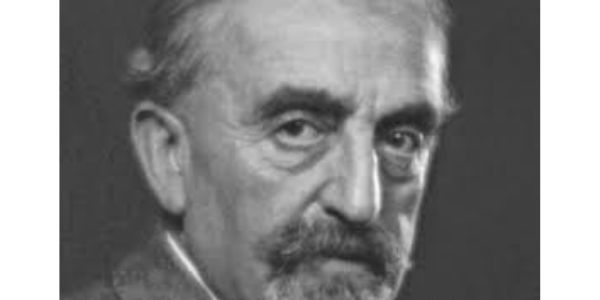
Stekel’s View on Love, Desire, and Morality
Stekel’s approach to sexuality was more flexible and compassionate than many of his contemporaries. He argued that sexual impulses were not inherently immoral but were natural expressions of human emotion. He also explored the psychological roots of fetishes, infidelity, and desire, viewing them as extensions of personal conflict rather than deviance.
He was among the first to suggest that sexual guilt and social repression contribute to emotional dysfunction. For Stekel, understanding one’s desires was essential for achieving inner balance and healthy relationships—a viewpoint that remains influential in psychoanalytic and sex therapy circles today.
FAQ
Who was Wilhelm Stekel?
Wilhelm Stekel was an Austrian psychoanalyst and early collaborator of Sigmund Freud. He is best known for his pioneering studies linking sexual behavior to emotional and psychological health.
What did Wilhelm Stekel believe about sexuality?
Stekel believed that sexuality was a core part of human identity and that repressing sexual desires could lead to neurosis, anxiety, or other emotional disorders.
How did Wilhelm Stekel influence modern psychology?
He expanded psychoanalytic thought by normalizing discussions of sexual behavior and emphasizing emotional honesty. His work laid groundwork for modern sex therapy and relationship counseling.
What were Stekel’s views on morality and sexual impulses?
Stekel argued that moral condemnation of sexual desires caused psychological harm. He viewed sexual impulses as natural and essential to personal and emotional development.
How is Wilhelm Stekel’s work relevant today?
His ideas on emotional repression, sexual honesty, and psychological balance remain central to contemporary discussions on mental health, intimacy, and self-acceptance.
Buy Sex Doll from XdollCtiy
XdollCity offers a range of highly customizable adult dolls, designed to provide emotional connection and companionship. Whether you're seeking therapeutic relief or simply a way to enhance your personal life, our dolls are tailored to meet your needs. Order your personalized companion today and start your journey toward better intimacy.


29%
OFF
EU Stock - Maya 76cm/2′6″ Torso - The Ultimate Big Butt Real Doll for Unforgettable Pleasure
$ 822.00
$ 1,174.00