
Vaginitis
2025-12-11
Understanding Vaginitis: Causes, Symptoms, and Care
Vaginitis refers to inflammation or irritation of the vagina, a common condition that can affect women of any age. It’s usually caused by an imbalance in the vaginal flora—when harmful bacteria, yeast, or other microorganisms grow excessively. This imbalance may lead to discomfort, itching, or unusual discharge.
The condition isn’t always sexually transmitted, though sexual activity can sometimes trigger or worsen symptoms. Factors such as antibiotics, hormonal changes, tight clothing, or poor hygiene can also contribute to vaginitis.
Unlike other genital conditions, vaginitis is highly manageable when diagnosed early. Recognizing its signs and knowing when to seek treatment can help maintain vaginal health and comfort.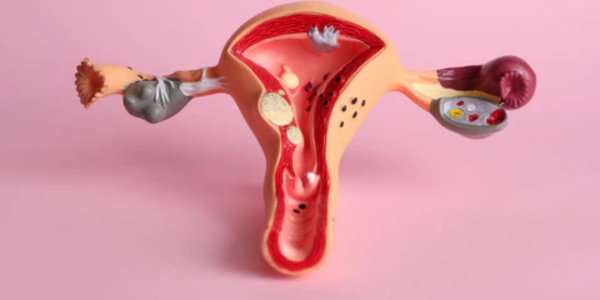
Common Types of Vaginitis
-
Bacterial vaginosis (BV): Caused by an overgrowth of bacteria, BV often produces a thin, gray discharge with a fishy odor.
-
Yeast infection (Candidiasis): Triggered by excess Candida fungus, leading to thick white discharge, itching, and redness.
-
Trichomoniasis: A sexually transmitted infection caused by parasites, often resulting in greenish discharge and irritation.
-
Non-infectious vaginitis: Caused by allergies, irritants, or hormonal imbalance, rather than infection.
If left untreated, chronic vaginitis can lead to more serious reproductive health complications, so early detection and proper care are essential.
FAQ
What does vulvovaginitis look like?
It may cause redness, swelling, or irritation around the vulva and vagina. You might also notice abnormal discharge, itching, or a burning sensation during urination.
Can vaginitis go away on its own?
Mild cases may improve naturally if caused by irritants or hygiene changes, but infections like BV or yeast infections often require medication for complete recovery.
What are the 7 signs of infection?
Typical infection signs include itching, burning, redness, unusual discharge, odor, pain during sex, and swelling. Persistent symptoms should be evaluated by a doctor.
How do I know if I have a serious infection?
Seek medical attention if symptoms last more than a few days, worsen, or are accompanied by fever, pain, or heavy discharge—these may signal a serious infection.
What is the first stage of a bacterial infection?
Early stages often involve mild irritation and changes in discharge color or smell. Catching it early helps prevent progression to more severe symptoms.
How do I know if I have bacterial vaginosis?
BV often causes a thin, grayish discharge with a fishy odor. A healthcare provider can confirm it through a simple vaginal swab test.
Buy Sex Doll from XdollCtiy
XdollCity offers a range of highly customizable adult dolls, designed to provide emotional connection and companionship. Whether you're seeking therapeutic relief or simply a way to enhance your personal life, our dolls are tailored to meet your needs. Order your personalized companion today and start your journey toward better intimacy.


29%
OFF
EU Stock - Maya 76cm/2′6″ Torso - The Ultimate Big Butt Real Doll for Unforgettable Pleasure
$ 822.00
$ 1,174.00