Vaginal Fluid
2026-01-08
Vaginal Fluid: Understanding Its Role in Female Sexual Health
Vaginal fluid is a natural secretion produced by the vaginal walls and cervix. Its presence is a vital indicator of a woman’s reproductive and sexual health. The fluid helps maintain a balanced vaginal environment, keeping it clean, lubricated, and protected from infections.
During arousal, vaginal fluid increases in volume and changes in texture, becoming more slippery and transparent. This lubrication reduces friction during intercourse, enhancing comfort and pleasure. The consistency and appearance of vaginal fluid can also vary depending on hormonal cycles, stress levels, and overall health.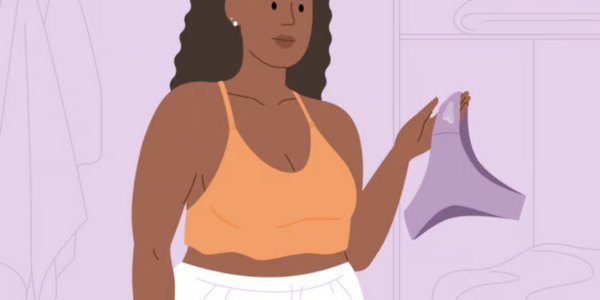
The Connection Between Emotion and Physiology
Vaginal fluid plays both a biological and emotional role in intimacy. When a woman becomes aroused, her body releases natural lubrication as part of the physiological response. This reaction is not just physical—it’s also influenced by emotional connection and psychological readiness.
A healthy level of vaginal moisture reflects balance, relaxation, and trust during intimacy. It’s a reminder that the body responds to emotional safety as much as to physical stimulation.
Understanding these natural changes helps partners communicate better and approach intimacy with sensitivity and awareness.
FAQ
What’s the difference between fluid and discharge?
Vaginal fluid refers to natural moisture for lubrication, while discharge includes mucus and secretions that help cleanse and protect the vagina. Both are normal but serve different purposes.
What does "female fluid" mean?
“Female fluid” is a general term describing vaginal lubrication that appears during arousal. It’s the body’s way of preparing for intercourse and enhancing comfort during sexual activity.
What is the liquid called when a female gets wet?
The liquid is known as vaginal lubrication. It’s produced when blood flow to the genital area increases during arousal, creating a slippery texture that reduces friction during intimacy.
Can vaginal fluid change throughout the menstrual cycle?
Yes, vaginal fluid varies depending on hormonal changes. Around ovulation, it often becomes clearer and stretchier to support fertility, while at other times it may be thicker or less abundant.
What causes excess or lack of vaginal fluid?
Dehydration, hormonal fluctuations, medications, or stress can affect vaginal fluid levels. Regular hydration, balanced hormones, and foreplay can help maintain healthy lubrication.
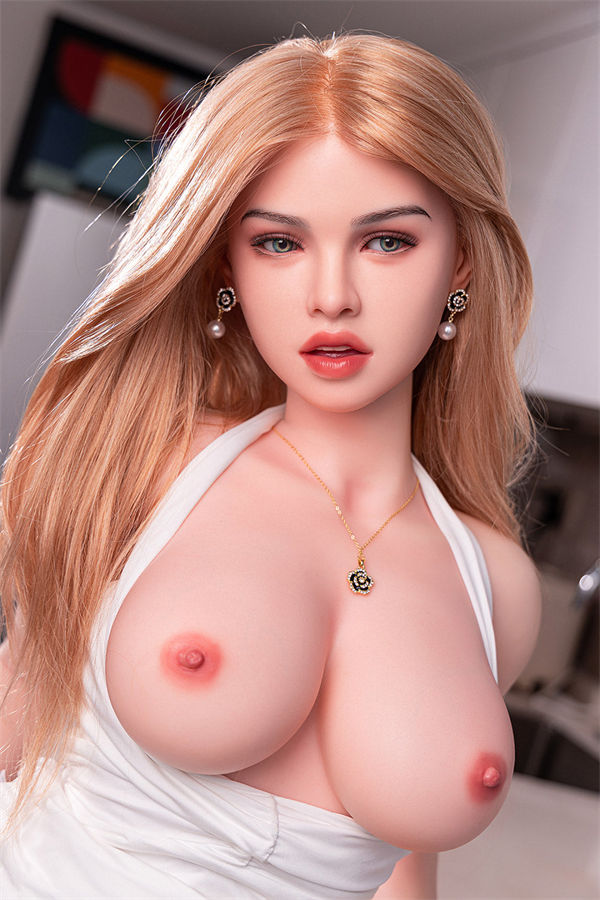
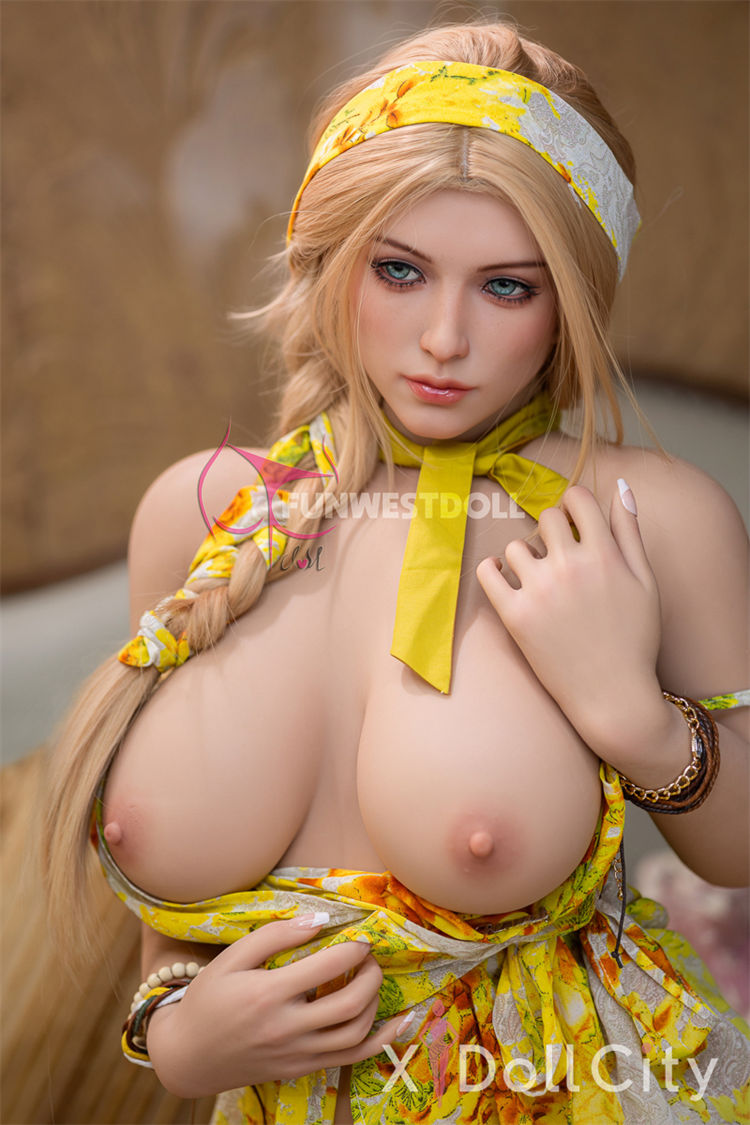
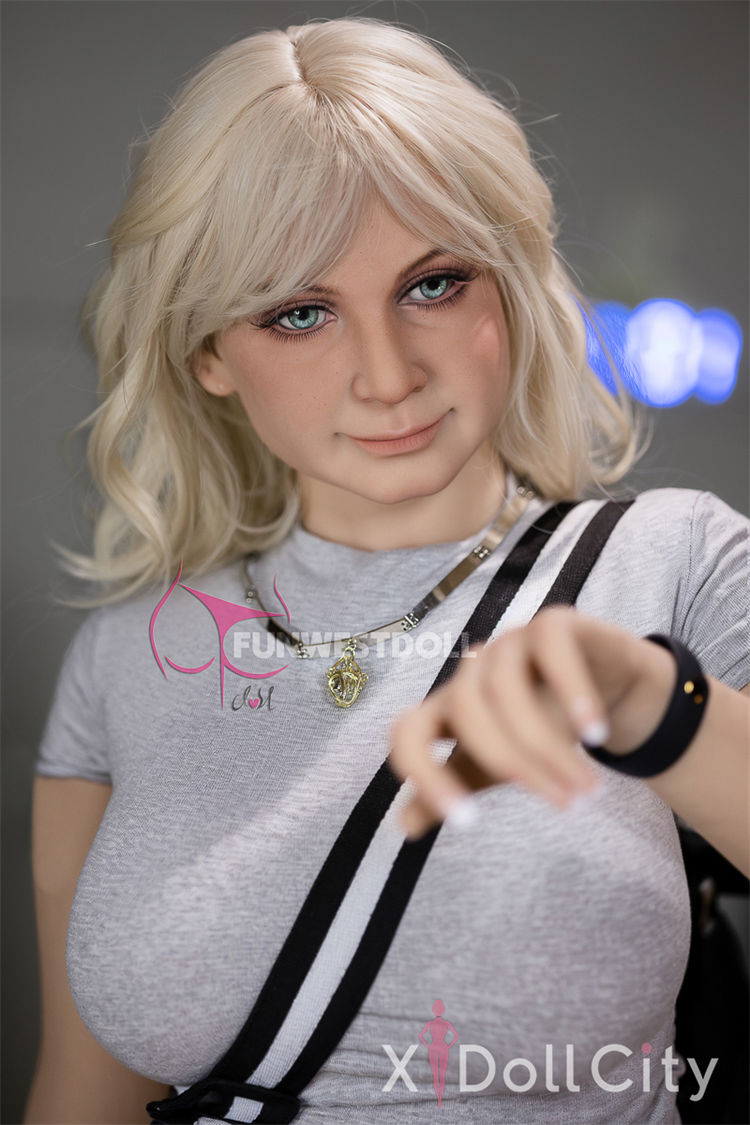
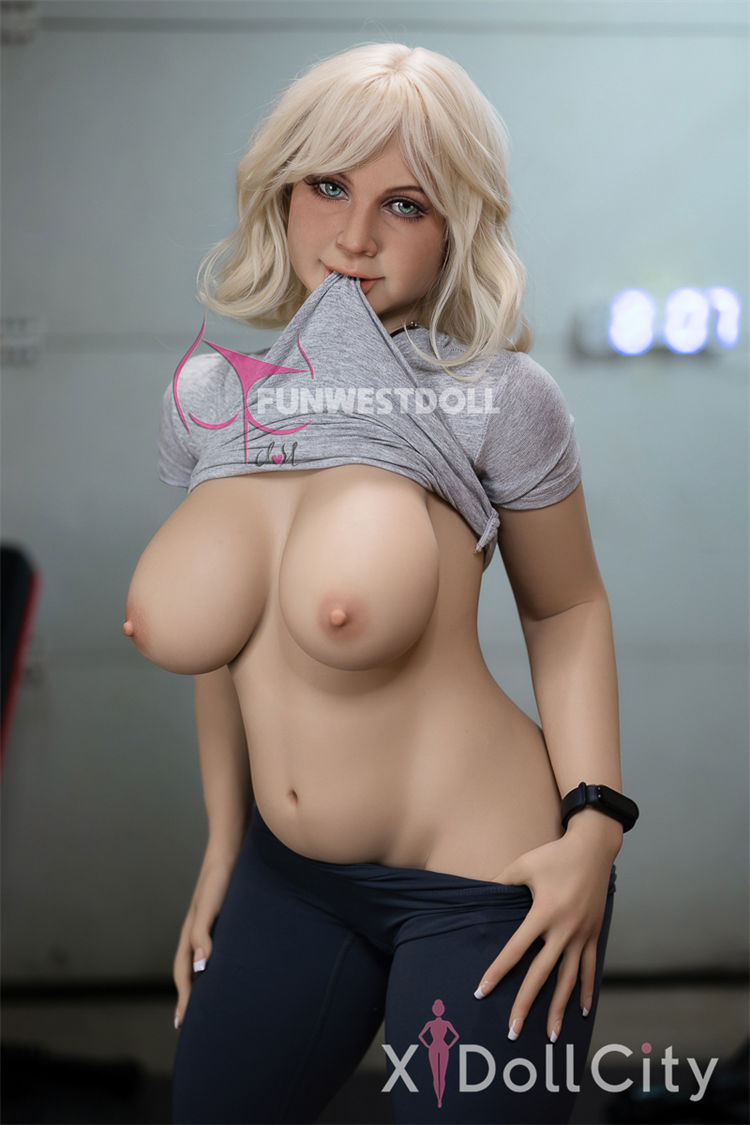
Buy Sex Doll from XdollCtiy
XdollCity offers a range of highly customizable adult dolls, designed to provide emotional connection and companionship. Whether you're seeking therapeutic relief or simply a way to enhance your personal life, our dolls are tailored to meet your needs. Order your personalized companion today and start your journey toward better intimacy.
29%
OFF
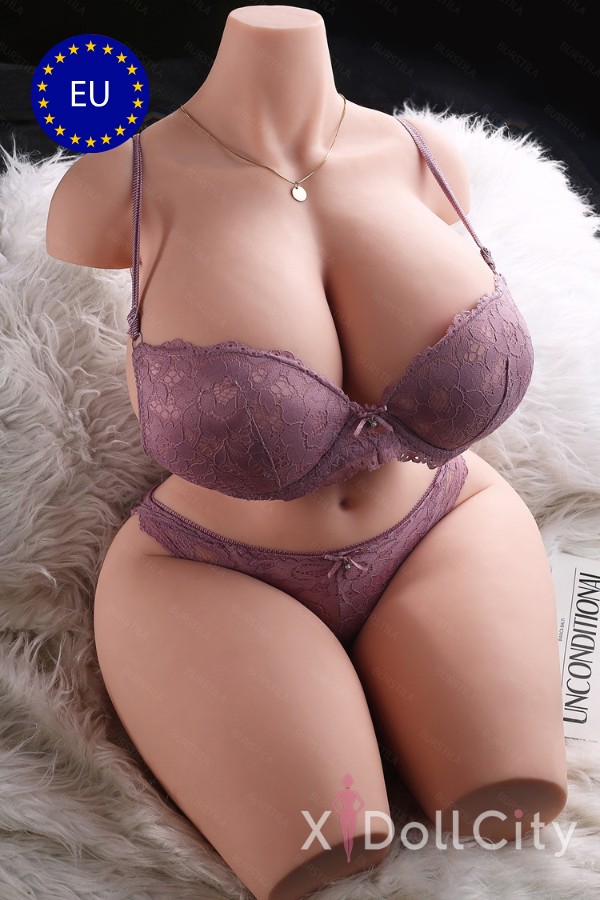
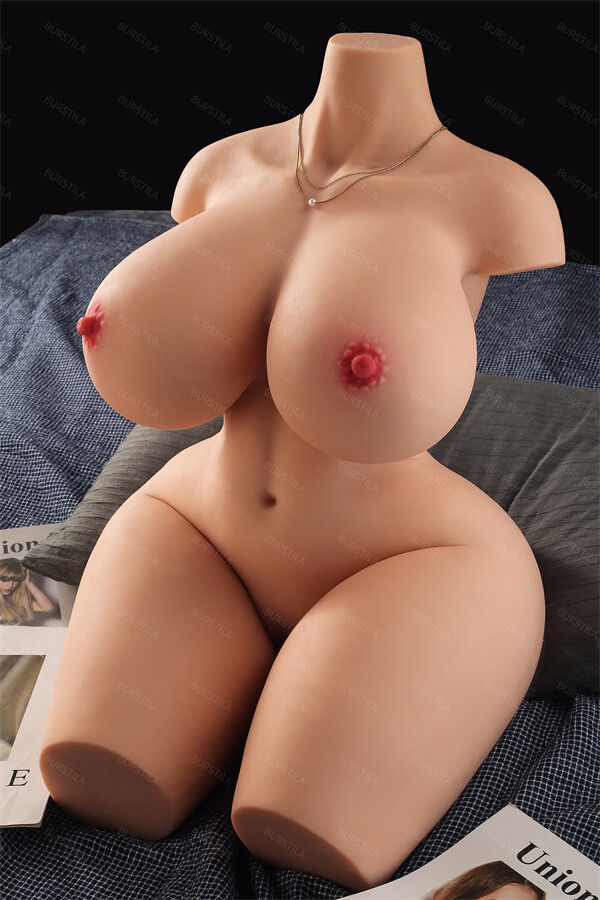
EU Stock - Maya 76cm/2′6″ Torso - The Ultimate Big Butt Real Doll for Unforgettable Pleasure
$ 822.00
$ 1,174.00