Vaginal Dilators
2026-01-16
Vaginal Dilators: Understanding Their Role in Sexual and Medical Care
Vaginal dilators are medical tools designed to gently stretch and relax the vaginal muscles. They’re often recommended by healthcare professionals to address conditions such as vaginismus, vaginal stenosis, or post-surgical recovery after pelvic treatments. These devices can also help individuals regain comfort and confidence in sexual activity after trauma, menopause, or radiation therapy.
A typical dilator set includes smooth, cylinder-shaped tools that gradually increase in size. The purpose is not to force expansion but to restore comfort, elasticity, and function through slow and gentle training. The process promotes muscle relaxation and helps the body adapt to penetration without pain.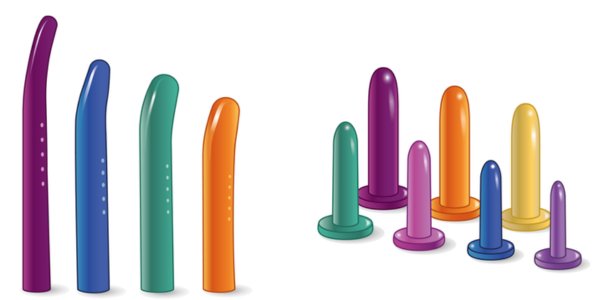
How Vaginal Dilators Support Healing and Intimacy
The use of vaginal dilators goes beyond clinical therapy—it’s also a step toward rebuilding sexual confidence. When used correctly, they help reduce anxiety, increase blood flow, and improve sensitivity. Many users describe the experience as both physical and emotional healing, especially when combined with deep breathing and self-awareness practices.
Whether guided by a doctor or used privately, the goal remains the same: to help individuals reconnect with their bodies in a safe, pain-free way. Dilators can also support couples seeking to rebuild intimacy after medical or emotional challenges, fostering both comfort and trust in physical connection.
FAQ
How do you know if you need a dilator?
You may need a dilator if you experience pain, tightness, or discomfort during penetration or medical exams. A doctor or pelvic therapist can assess your condition and recommend appropriate use.
Is it painful to insert a dilator?
It shouldn’t be painful when used properly. Mild pressure is normal, but sharp pain means you should stop and use a smaller size or more lubrication. Always go at your own pace.
Why would a woman have to dilate?
Dilators help stretch and relax the vaginal muscles after surgery, menopause, or radiation. They also assist women with vaginismus or anxiety-related tightness to regain comfort and control.
What are the side effects of a dilator?
Side effects are rare but may include mild soreness or temporary irritation. Using lubricant and following medical advice can help minimize discomfort.
Can I use my fingers as a dilator?
Yes, in some cases, fingers can be used gently to practice relaxation and stretching. However, medical dilators provide consistent shape and size control, which improves safety and effectiveness.
What can I use instead of a dilator?
Alternatives include medical-grade vibrators or therapeutic wands, but professional guidance is best to ensure safety and gradual progression.
How big can a woman dilate?
The vagina is highly elastic and adapts naturally. Dilators help it adjust comfortably without forcing. The goal isn’t size—it’s comfort and muscle relaxation.
Can a woman feel if she is dilated?
Some may feel a slight openness or relaxed sensation, while others notice no change. Sensitivity varies depending on anatomy and experience.
Buy Sex Doll from XdollCtiy
XdollCity offers a range of highly customizable adult dolls, designed to provide emotional connection and companionship. Whether you're seeking therapeutic relief or simply a way to enhance your personal life, our dolls are tailored to meet your needs. Order your personalized companion today and start your journey toward better intimacy.

29%
OFF
EU Stock - Maya 76cm/2′6″ Torso - The Ultimate Big Butt Real Doll for Unforgettable Pleasure
$ 822.00
$ 1,174.00