
Uterus
2025-12-07
The Uterus: A Core Organ of Feminine Health and Reproductive Power
The uterus is a central organ in the female reproductive system. It’s a hollow, muscular structure located between the bladder and the rectum, responsible for nurturing and protecting a developing fetus during pregnancy. Beyond reproduction, the uterus also plays a key role in menstrual cycles, hormonal balance, and overall pelvic health.
While often associated only with childbirth, the uterus influences many aspects of a woman’s physical and emotional well-being. Contractions, hormonal shifts, and tissue responses all interact with this organ throughout different life stages—from puberty to menopause.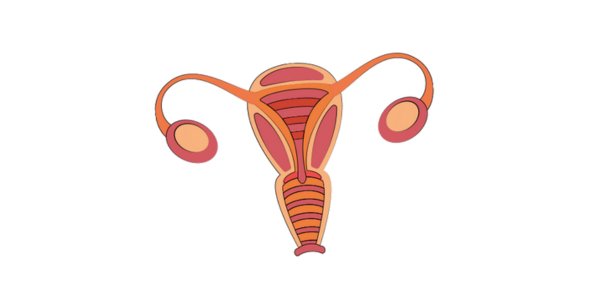
The Role of the Uterus in the Human Body
The uterus isn’t just a passive structure—it’s an active, responsive organ. Each month, it prepares for potential pregnancy by thickening its inner lining, known as the endometrium. If fertilization doesn’t occur, this lining sheds, leading to menstruation.
During sexual arousal and intercourse, the uterus naturally shifts position and muscles may contract, enhancing pleasure or contributing to sensations in the lower abdomen. Understanding these natural functions helps individuals better connect with their bodies and recognize when discomfort may indicate underlying conditions such as fibroids, endometriosis, or infections.
FAQ
What is a uterus in a woman?
The uterus is a pear-shaped organ in the female reproductive system. It supports fetal growth during pregnancy and plays a key role in menstruation and hormone regulation.
Can we touch the uterus by finger?
No, the uterus cannot be reached by a finger. It’s located deep within the pelvis, beyond the vaginal canal. Only medical professionals can examine it safely through pelvic exams or imaging.
Is a uterus painful?
Normally, the uterus doesn’t cause pain. However, menstrual cramps, infections, or medical conditions like fibroids or endometriosis can make it ache or feel tender.
How do you know if your uterus is damaged?
Common signs include irregular periods, pelvic pain, abnormal bleeding, or fertility issues. Medical evaluation—such as ultrasound or hysteroscopy—can confirm uterine health.
How do I stop my uterus from hurting?
Relief often involves heat therapy, hydration, or over-the-counter pain medication. If pain persists, consult a gynecologist to rule out serious conditions and receive proper treatment.
Buy Sex Doll from XdollCtiy
XdollCity offers a range of highly customizable adult dolls, designed to provide emotional connection and companionship. Whether you're seeking therapeutic relief or simply a way to enhance your personal life, our dolls are tailored to meet your needs. Order your personalized companion today and start your journey toward better intimacy.

29%
OFF
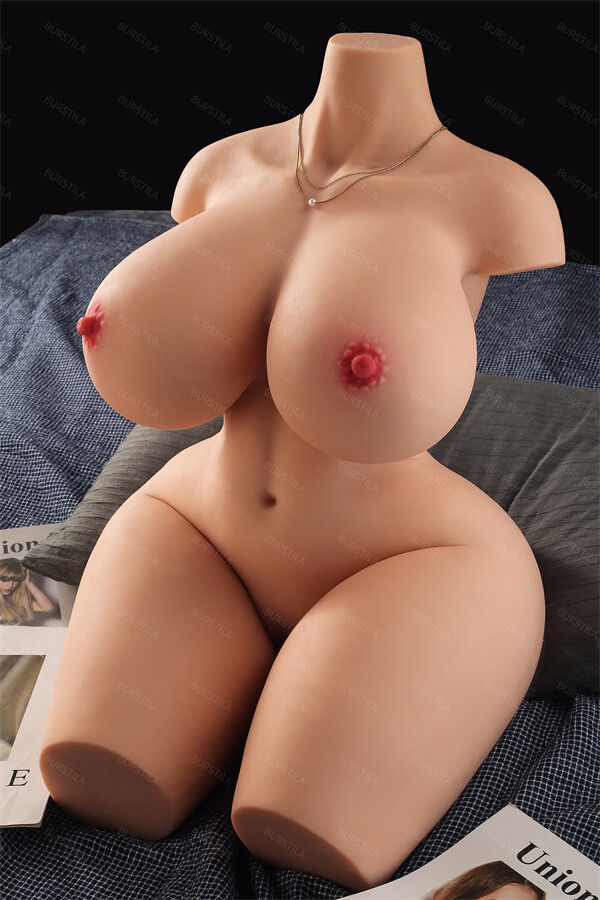
EU Stock - Maya 76cm/2′6″ Torso - The Ultimate Big Butt Real Doll for Unforgettable Pleasure
$ 822.00
$ 1,174.00