
Urinary Tract Infection
2025-12-21
Urinary Tract Infection (UTI): What You Need to Know
A urinary tract infection (UTI) is a common condition that affects both men and women, though it occurs more frequently in women due to anatomical differences. It happens when bacteria—most often E. coli—enter the urinary tract through the urethra and begin to multiply in the bladder.
UTIs can impact different parts of the urinary system, including the bladder, urethra, and kidneys. While most cases are mild and treatable, ignoring the symptoms can lead to more serious complications, such as kidney infections.
Sexual activity is one of the leading risk factors for UTIs, as friction and bacteria transfer can introduce microorganisms into the urethra. This makes proper hygiene and post-intercourse urination important preventive steps for sexually active individuals.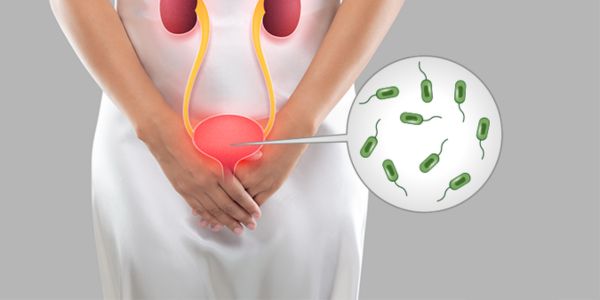
Recognizing and Managing UTI Symptoms
Early detection is key to avoiding discomfort and complications. Common signs include:
-
A burning sensation during urination
-
Frequent urges to urinate, even with little output
-
Cloudy or strong-smelling urine
-
Lower abdominal discomfort
In severe cases, symptoms may include fever, chills, or back pain, which could indicate the infection has reached the kidneys. Prompt medical treatment and hydration are crucial for recovery.
FAQ
What causes urinary tract infections?
UTIs are most often caused by bacteria, typically E. coli, entering the urinary tract. Factors like sexual activity, poor hygiene, dehydration, or holding urine too long increase risk.
Can urinary tract infections be cured?
Yes. Most UTIs can be easily treated with antibiotics prescribed by a healthcare provider. Drinking plenty of water and maintaining hygiene also help speed recovery.
What are the 5 warning signs of a bladder infection?
The main signs include frequent urination, burning pain while urinating, cloudy urine, pelvic pressure, and urine that smells strong or unusual.
What is the best drink for urine infection?
Water is the best option. Staying hydrated helps flush bacteria from the urinary tract. Some people also benefit from cranberry juice or unsweetened herbal teas.
What is the fastest way to treat a UTI?
Seek medical treatment quickly. Antibiotics work fastest, but hydration, rest, and avoiding irritants like caffeine or alcohol also help relieve symptoms.
How do I know if my UTI is serious?
If you develop fever, nausea, back pain, or notice blood in your urine, your infection may have spread to the kidneys. Contact a doctor immediately for evaluation.
Buy Sex Doll from XdollCtiy
XdollCity offers a range of highly customizable adult dolls, designed to provide emotional connection and companionship. Whether you're seeking therapeutic relief or simply a way to enhance your personal life, our dolls are tailored to meet your needs. Order your personalized companion today and start your journey toward better intimacy.


29%
OFF
EU Stock - Maya 76cm/2′6″ Torso - The Ultimate Big Butt Real Doll for Unforgettable Pleasure
$ 822.00
$ 1,174.00