
Urethra
2026-01-11
Understanding the Urethra: The Hidden Channel of Intimacy and Health
The urethra is a small yet essential part of the human body, playing a key role in both urinary and sexual functions. Though often overlooked, it serves as the pathway for urine to leave the body—and, in men, also carries semen during ejaculation.
Both men and women have urethras, but their structure and length differ. In women, the urethra is short and positioned above the vaginal opening. In men, it’s longer and runs through the penis, serving dual roles in reproduction and urination.
Understanding how the urethra functions is vital for sexual health. Because of its location and delicate structure, it’s vulnerable to irritation, infections, or injury. Maintaining urethral health means balancing hygiene, safe sexual practices, and regular medical attention.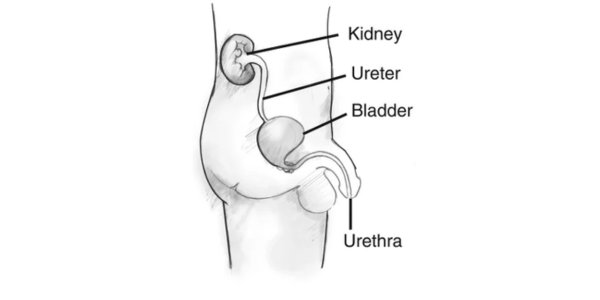
The Link Between the Urethra and Sexual Well-being
The urethra is more than a simple tube—it’s also a sensitive part of the body involved in pleasure. In women, it’s located near the G-spot region, which can lead to stimulating sensations during intimacy. For men, the urethra is directly connected to the prostate, which also contributes to sexual response and fluid release.
Urethral health plays a major role in both comfort and pleasure. Conditions like urinary tract infections (UTIs) or urethritis can cause pain, burning, or irritation that may affect sexual activity. Maintaining cleanliness and practicing safe sex are simple but crucial ways to prevent discomfort and preserve well-being.
FAQ
What is a urethra in a woman?
It’s a short tube connecting the bladder to the outside of the body, located above the vaginal opening. It allows urine to pass and is sensitive due to nearby nerve endings.
What is the function of the urethra?
The urethra carries urine from the bladder to the outside of the body. In men, it also serves as the passage for semen during ejaculation.
What is a urethra in a man?
It’s a longer channel that extends from the bladder through the penis. It releases both urine and semen, playing roles in urination and reproduction.
What causes urethra infections?
Urethral infections can be caused by bacteria entering the urinary tract—often from poor hygiene, unprotected sex, or urinary retention. Women are more prone due to shorter urethras.
Is the bladder and urethra the same thing?
No. The bladder stores urine, while the urethra is the passage that carries urine out of the body during urination. They work together but are separate organs.
What happens if the urethra is damaged?
Damage can cause pain, bleeding, or blockage of urine flow. Severe cases may require medical attention or surgical repair to restore normal function.
How to keep your urethra healthy?
Drink plenty of water, practice safe sex, and maintain good hygiene. Avoid harsh soaps and empty your bladder after intimacy to reduce infection risks.
What are the 10 diseases of the urinary system?
Common conditions include UTIs, urethritis, cystitis, kidney stones, bladder infection, incontinence, prostatitis, urethral stricture, interstitial cystitis, and kidney failure.
Buy Sex Doll from XdollCtiy
XdollCity offers a range of highly customizable adult dolls, designed to provide emotional connection and companionship. Whether you're seeking therapeutic relief or simply a way to enhance your personal life, our dolls are tailored to meet your needs. Order your personalized companion today and start your journey toward better intimacy.


29%
OFF
EU Stock - Maya 76cm/2′6″ Torso - The Ultimate Big Butt Real Doll for Unforgettable Pleasure
$ 822.00
$ 1,174.00