Untyping
2026-01-16
Untyping: Redefining Gender, Desire, and Connection
Untyping refers to breaking away from traditional gender roles and sexual expectations. In the context of intimacy and relationships, it’s about letting go of labels—masculine, feminine, dominant, submissive—and embracing authentic expression without limitation.
In a world that often categorizes attraction and behavior, untyping invites individuals to explore connection beyond conventional identities. It celebrates fluidity, allowing partners to express power, affection, and desire in ways that feel natural rather than socially defined.
For many, untyping is not rebellion—it’s liberation. It gives permission to experience intimacy without the boundaries of “should” and “should not.” Whether in emotional bonding, role-play, or physical pleasure, the goal is authenticity—two people sharing space without constraint.
Emotional and Sexual Freedom in Untyping
Untyping challenges the old scripts of who leads and who follows. It encourages communication, empathy, and equality within sexual dynamics. A man may explore softness; a woman may take control. Neither breaks the rules—they simply stop living by them.
At its heart, untyping is about understanding rather than conforming. It’s about honesty in expression, where each person defines intimacy on their own terms. This mindset fosters deeper emotional and physical satisfaction, as both partners engage without stereotypes or expectations.
FAQ
What does untyping mean in relationships?
Untyping in relationships means moving beyond traditional gender or sexual roles, allowing both partners to express themselves freely without societal expectations or fixed labels.
How does untyping affect intimacy?
It enhances intimacy by promoting authenticity and equality. When partners shed expectations, they can connect on a deeper emotional and sexual level, fostering mutual trust and curiosity.
Is untyping related to sexual orientation?
Not necessarily. Untyping isn’t about who you’re attracted to—it’s about how you express and experience that attraction without rigid gender or behavioral boundaries.
Can untyping exist within BDSM or role-play?
Yes. Untyping fits naturally in BDSM, where partners often switch roles or experiment with dynamics. It supports creative expression and fluid exploration without labels.
Why is untyping becoming more popular today?
As gender norms evolve, people seek freedom from stereotypes. Untyping reflects modern values—authenticity, consent, and equality—making it relevant for diverse sexual identities.
Buy Sex Doll from XdollCtiy
XdollCity offers a range of highly customizable adult dolls, designed to provide emotional connection and companionship. Whether you're seeking therapeutic relief or simply a way to enhance your personal life, our dolls are tailored to meet your needs. Order your personalized companion today and start your journey toward better intimacy.
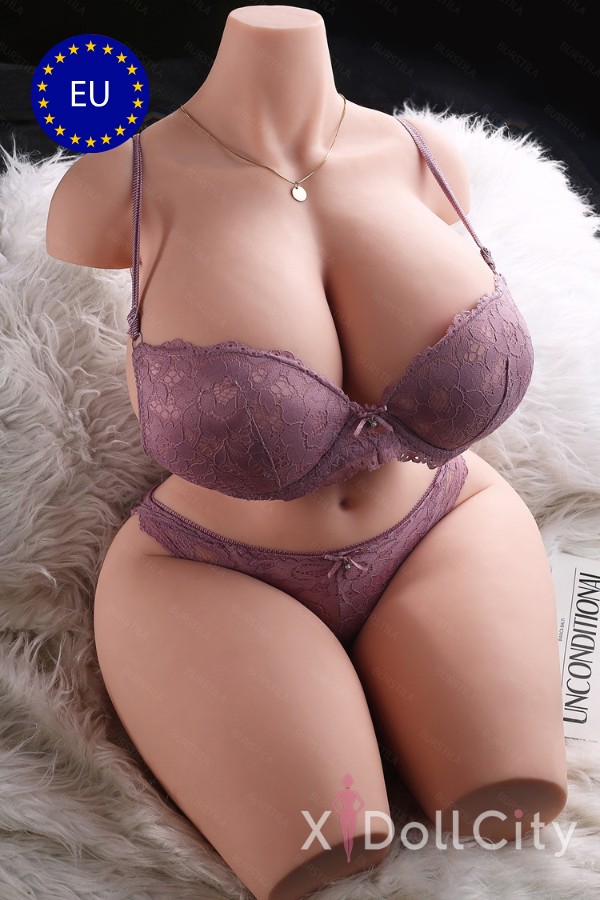
29%
OFF
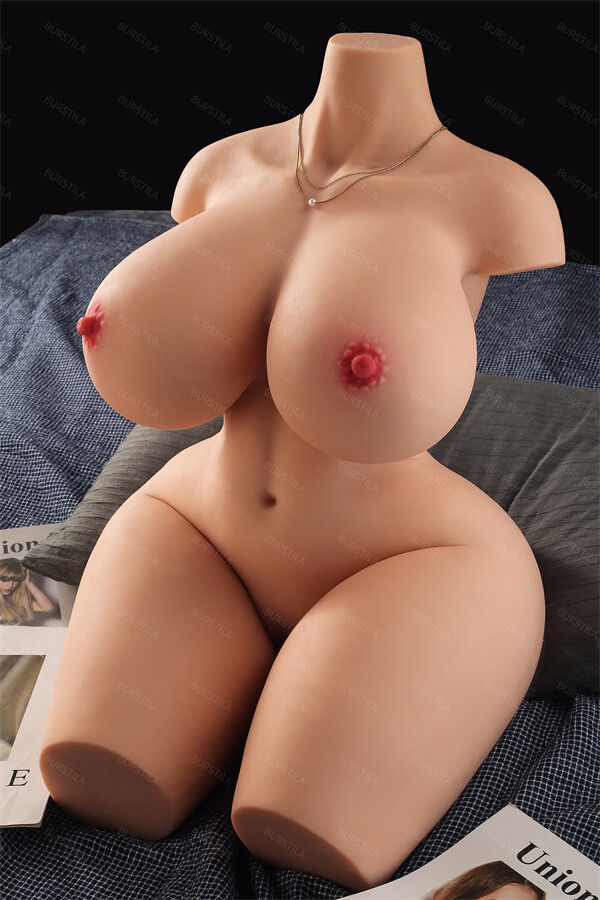
EU Stock - Maya 76cm/2′6″ Torso - The Ultimate Big Butt Real Doll for Unforgettable Pleasure
$ 822.00
$ 1,174.00