Unrequited Love
2026-01-21
Unrequited Love: The Beauty and Ache of One-Sided Feelings
Unrequited love—loving someone who doesn’t return your feelings—is one of the most bittersweet experiences in human relationships. It’s the quiet ache of wanting connection but facing emotional distance. For many, it’s not about the person alone but about the emotional intensity that love itself creates.
This kind of love often reflects deep vulnerability. It awakens desire, hope, and fantasy, but also disappointment. Unrequited love can make someone feel both alive and powerless—caught between affection and reality. Despite the pain, many still view it as a meaningful experience, one that teaches empathy and emotional depth.
Understanding the Emotional Psychology of Unrequited Love
Unrequited love can arise in various situations—admiring a friend, desiring someone unavailable, or maintaining affection for a past partner. Psychologically, it’s fueled by projection—we fall in love not only with the person but also with what we imagine they represent.
However, one-sided love isn’t inherently unhealthy. When understood and accepted, it can be a profound opportunity for self-awareness and emotional growth. It reminds us that love, even when not returned, still holds value.
But when it lingers too long or becomes obsessive, it can harm emotional balance. Recognizing when to let go is part of the healing process—allowing space for mutual, fulfilling connections to form in the future.
FAQ
What is the meaning of unrequited love?
Unrequited love means loving someone who doesn’t feel the same way. It’s an emotional connection that’s not reciprocated, often marked by longing and emotional imbalance.
Is unrequited love just a crush?
Not always. A crush is often short-lived and based on attraction, while unrequited love involves deeper emotional investment and attachment to the person.
How to know if it’s unrequited love?
You may notice one-sided effort, emotional distance, or lack of reciprocation. If your affection isn’t returned or acknowledged, it’s likely unrequited.
Can unrequited love be true love?
Yes—it can feel genuine because your emotions are real. However, true love ideally involves mutual care, respect, and shared emotional connection.
Why is unrequited love so painful?
It hurts because the emotional energy isn’t balanced. You give affection without receiving it, which can lead to feelings of rejection, loss, and emptiness.
How long does unrequited love last?
It varies. For some, it fades naturally with time and emotional processing. For others, it lasts until they consciously choose acceptance and move forward.
Buy Sex Doll from XdollCtiy
XdollCity offers a range of highly customizable adult dolls, designed to provide emotional connection and companionship. Whether you're seeking therapeutic relief or simply a way to enhance your personal life, our dolls are tailored to meet your needs. Order your personalized companion today and start your journey toward better intimacy.
29%
OFF
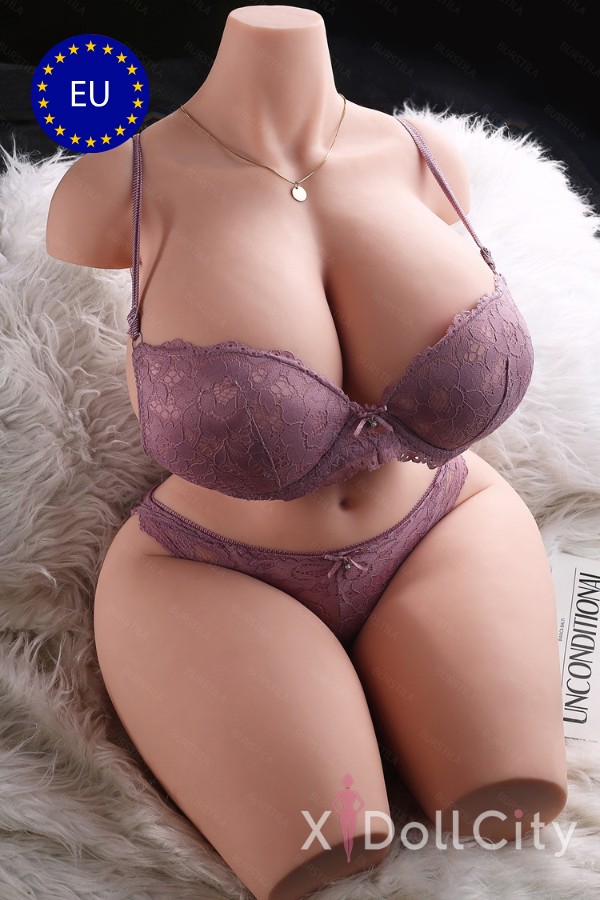
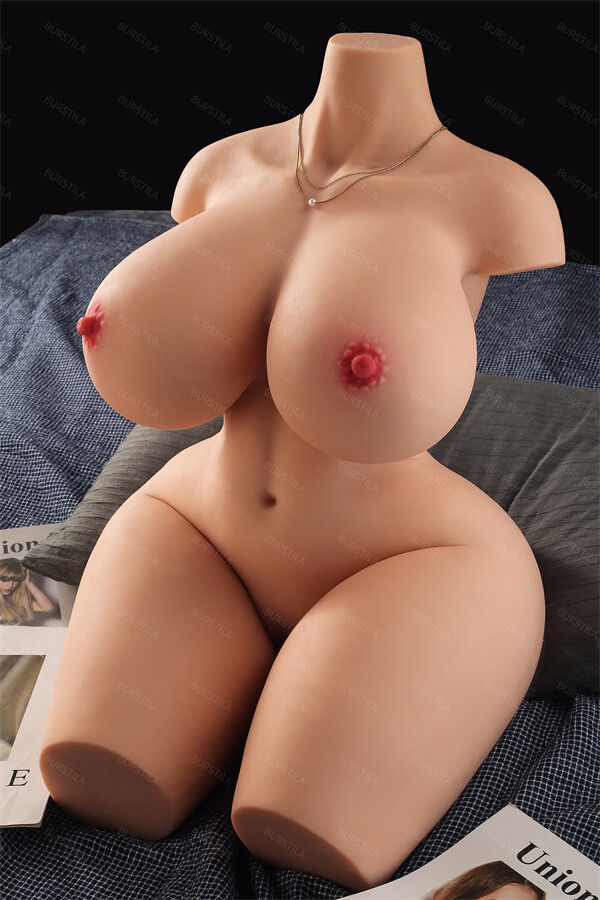
EU Stock - Maya 76cm/2′6″ Torso - The Ultimate Big Butt Real Doll for Unforgettable Pleasure
$ 822.00
$ 1,174.00