
Technophilia
2025-12-22
Technophilia: Where Technology Meets Desire
Technophilia describes a deep attraction to technology—but within the realm of sexuality, it refers to a fetishistic or erotic fascination with machines, digital systems, or futuristic interfaces. It’s where desire and innovation intersect, forming a unique expression of modern eroticism.
For some, the allure lies in the cold precision and control that technology represents; for others, it’s the idea of merging human intimacy with artificial intelligence or robotic forms. This attraction can manifest through fantasies involving androids, machines, or even high-tech environments that heighten sensory experience.
Unlike traditional fetishes rooted in physical objects, technophilia often blurs the boundaries between human emotion and artificial experience. It reflects how technology doesn’t just shape the way we communicate—it also transforms how we connect, fantasize, and experience pleasure.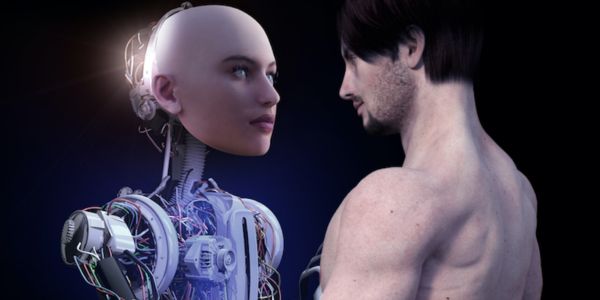
The Rise of Erotic Technology
The increasing integration of AI and robotics into daily life has made technophilia more visible and accepted. Sex dolls, virtual companions, and interactive devices now allow users to explore sensual experiences that once belonged only to science fiction.
For many enthusiasts, this isn’t about replacing human intimacy—it’s about exploring control, fantasy, and the thrill of innovation. The emotional satisfaction can stem from novelty, sensory stimulation, or the feeling of ultimate customization in one’s erotic experience.
Technophilia ultimately symbolizes how desire evolves with technology. It challenges the traditional definition of connection, asking what intimacy means in an age of digital emotion.
FAQ
What does technophilia mean?
Technophilia refers to an attraction or sexual interest in technology, machines, or digital systems. It can include arousal from interacting with or imagining intimacy through technology.
Is technophilia a common fetish?
While not mainstream, technophilia is becoming more recognized as society integrates technology into everyday life. Many experience it through fantasies involving AI, robots, or advanced devices.
Can technophilia include attraction to robots?
Yes. Attraction to robots or androids is one of the most common expressions of technophilia, blending fascination with artificial intelligence and human-like interaction.
Does technophilia replace real relationships?
Not necessarily. For most, it complements human intimacy rather than replaces it, offering a new way to explore fantasy, control, and sensory stimulation.
What drives technophilia psychologically?
It often stems from curiosity, control, and fascination with innovation. The mix of emotion and machine precision creates a unique erotic tension that appeals to some individuals.
Buy Sex Doll from XdollCtiy
XdollCity offers a range of highly customizable adult dolls, designed to provide emotional connection and companionship. Whether you're seeking therapeutic relief or simply a way to enhance your personal life, our dolls are tailored to meet your needs. Order your personalized companion today and start your journey toward better intimacy.


29%
OFF
EU Stock - Maya 76cm/2′6″ Torso - The Ultimate Big Butt Real Doll for Unforgettable Pleasure
$ 822.00
$ 1,174.00