
Safer Sex
2026-01-18
Safer Sex: Building Trust Through Protection and Awareness
Safer sex refers to sexual practices designed to reduce the risk of sexually transmitted infections (STIs) and unintended pregnancies. It’s not only about using protection—it’s about communication, consent, and mutual care between partners.
Practicing safer sex means understanding both physical and emotional safety. Whether it involves using condoms, dental dams, or regular STI testing, the goal is to make intimacy both pleasurable and responsible. Open conversations about boundaries, testing history, and contraception can strengthen trust and connection, transforming sexual experiences into acts of shared respect.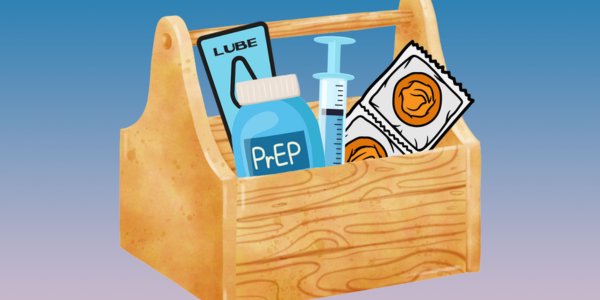
Why Safer Sex Matters
Sexual exploration should always come with awareness. Safer sex isn’t about restriction—it’s about empowerment. By being informed, partners can enjoy intimacy with confidence and reduce anxiety about health risks. It also encourages emotional honesty, helping both partners to express needs and preferences without fear or judgment.
Common safer sex practices include:
-
Using protection: Condoms and barriers for all forms of sexual contact.
-
Regular STI testing: Routine screenings build transparency and trust.
-
Communication: Discussing comfort levels and protection before any encounter.
-
Aftercare: Hygiene, emotional reassurance, and post-play discussions to ensure ongoing safety.
Safer sex builds not only physical security but also emotional closeness—creating a foundation where both pleasure and respect thrive.
FAQ
What does safer sex mean?
Safer sex means taking steps to reduce the risk of infections or unintended pregnancy through protection, testing, and open communication between partners.
Why is safer sex important?
It prevents sexually transmitted infections (STIs) and supports responsible intimacy. Practicing safer sex helps partners enjoy pleasure without compromising health or trust.
What are examples of safer sex practices?
Using condoms or dental dams, getting regular STI tests, and maintaining honest discussions about boundaries and health history are key safer sex habits.
Can you still get STIs with protection?
Yes, while condoms and barriers greatly lower risk, they don’t eliminate it completely. Regular testing and communication remain essential parts of safer sex.
How can couples talk about safer sex comfortably?
Start with honesty and empathy. Discuss health and boundaries before intimacy. Framing safer sex as mutual care rather than suspicion encourages open dialogue.
Does safer sex reduce emotional connection?
Not at all. In fact, it often deepens it—because safety, respect, and communication form the foundation of true sexual intimacy.
Buy Sex Doll from XdollCtiy
XdollCity offers a range of highly customizable adult dolls, designed to provide emotional connection and companionship. Whether you're seeking therapeutic relief or simply a way to enhance your personal life, our dolls are tailored to meet your needs. Order your personalized companion today and start your journey toward better intimacy.


29%
OFF
EU Stock - Maya 76cm/2′6″ Torso - The Ultimate Big Butt Real Doll for Unforgettable Pleasure
$ 822.00
$ 1,174.00