Relationship Orientation
2025-12-08
Understanding Relationship Orientation: Beyond Labels and Traditions
Relationship orientation refers to how individuals approach romantic and sexual relationships—their preferences, needs, and the structures in which they find emotional or physical fulfillment. Just as sexual orientation describes who someone is attracted to, relationship orientation defines how people connect, commit, and express intimacy.
This concept expands beyond the traditional view of monogamy. It includes various relationship models such as polyamory, open relationships, monogamish partnerships, and relationship anarchy. Each represents a valid and consensual way of relating, emphasizing honesty, self-awareness, and communication.
Recognizing one’s relationship orientation is about understanding personal comfort, emotional capacity, and boundaries. It allows individuals to form connections that feel authentic—whether they thrive in exclusive, multiple, or fluid relationship structures.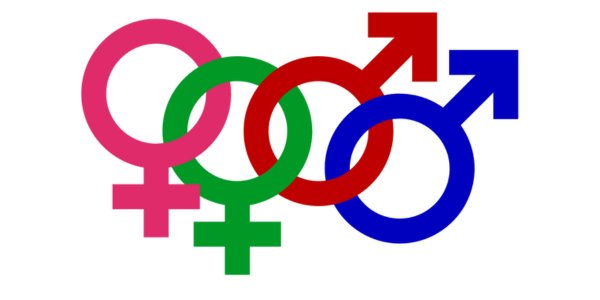
Why Relationship Orientation Matters
In modern dating culture, knowing your relationship orientation helps define compatibility and emotional clarity. It reduces confusion, sets expectations early, and fosters healthier communication between partners.
For example:
-
Someone with a monogamous orientation may seek exclusive emotional and sexual commitment.
-
A polyamorous person may pursue multiple loving relationships at once, with openness and consent.
-
Others may identify as relationship anarchists, choosing connections free from traditional hierarchy or expectation.
Understanding this spectrum is key to forming fulfilling and respectful partnerships—where both autonomy and connection coexist harmoniously.
FAQ
What does relationship orientation mean?
It refers to how people structure their romantic and sexual connections—whether monogamous, polyamorous, open, or fluid. It defines the way individuals prefer to love and relate.
How is relationship orientation different from sexual orientation?
Sexual orientation defines who you’re attracted to, while relationship orientation explains how you want to build and manage romantic or sexual relationships.
What are the main types of relationship orientations?
Common types include monogamy, polyamory, open relationships, monogamish relationships, and relationship anarchy. Each reflects unique values about intimacy and commitment.
Can relationship orientation change over time?
Yes, it can evolve as people grow, experience different relationships, or better understand their emotional needs and boundaries. Flexibility and reflection are natural parts of self-discovery.
Why is understanding relationship orientation important?
It promotes healthier connections by aligning expectations and communication styles. Knowing your orientation helps avoid conflict and builds relationships grounded in honesty and consent.
Buy Sex Doll from XdollCtiy
XdollCity offers a range of highly customizable adult dolls, designed to provide emotional connection and companionship. Whether you're seeking therapeutic relief or simply a way to enhance your personal life, our dolls are tailored to meet your needs. Order your personalized companion today and start your journey toward better intimacy.
29%
OFF
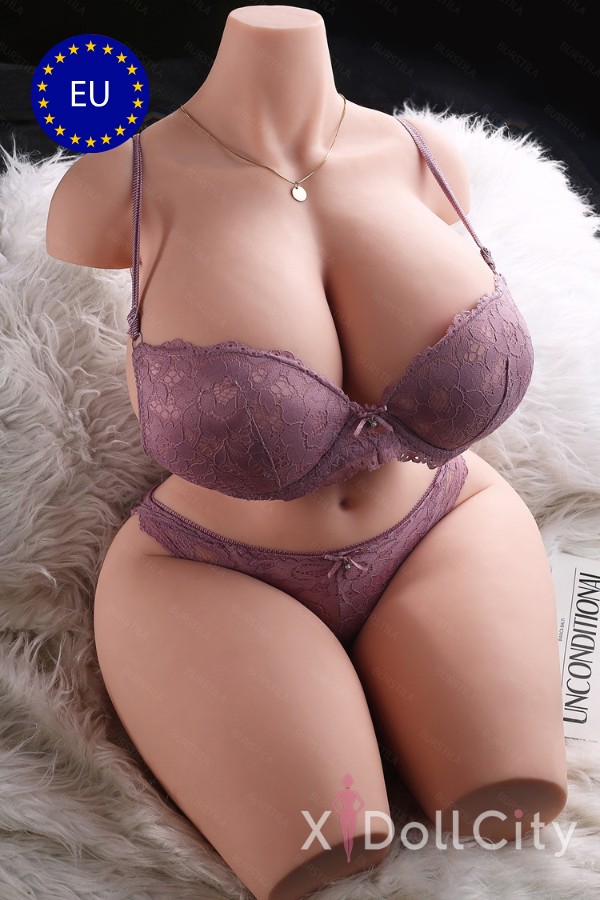
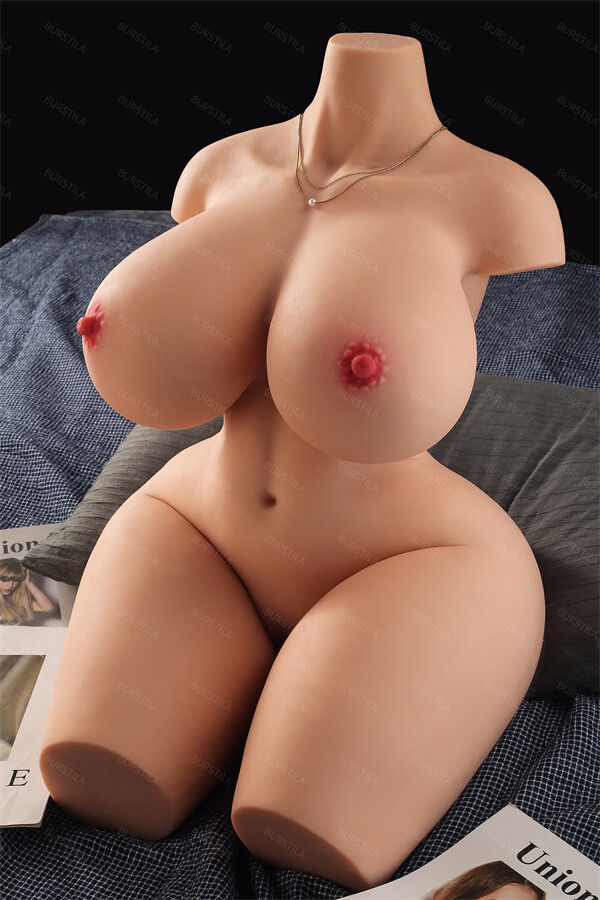
EU Stock - Maya 76cm/2′6″ Torso - The Ultimate Big Butt Real Doll for Unforgettable Pleasure
$ 822.00
$ 1,174.00