
Raptophilia
2026-01-18
Understanding Raptophilia: Psychology, Consent, and Misconceptions
Raptophilia refers to a paraphilic interest involving arousal from the idea or fantasy of forceful domination or non-consensual acts. It is one of the most controversial paraphilias, primarily discussed in psychology, sexuality studies, and BDSM safety education.
It’s crucial to clarify that Raptophilia, as a fantasy, differs greatly from real-world non-consensual behavior. In consensual adult play, individuals may safely explore scenarios that simulate dominance or submission—often referred to as consensual non-consent (CNC)—but these are firmly based on trust, boundaries, and aftercare.
The discussion of raptophilia often appears in psychological research on paraphilias, which are atypical sexual interests. While fantasies may exist within the realm of imagination, ethical practice always distinguishes between fantasy and action.
The Psychological Context of Raptophilia
Psychologists interpret raptophilia as part of the complex landscape of human sexuality. For some, the arousal stems not from violence itself, but from loss of control, power dynamics, or emotional intensity in fantasy settings.
However, this interest should never be confused with endorsing harm. Within the BDSM community, safety frameworks such as SSC (Safe, Sane, Consensual) and RACK (Risk-Aware Consensual Kink) guide responsible exploration of intense power exchanges, including those inspired by darker fantasies.
In this sense, understanding raptophilia requires separating fantasy-based desire from real-world violence, recognizing it as part of a spectrum of human erotic imagination rather than a behavior to enact.
FAQ
What is an example of a paraphilia?
Examples include fetishes like voyeurism, masochism, or exhibitionism—sexual interests that deviate from mainstream expressions but can be explored safely and consensually.
What is the difference between hypersexuality and paraphilia?
Hypersexuality involves unusually frequent sexual urges or behaviors, while paraphilia refers to atypical sexual interests, not necessarily excessive in frequency.
What is the cause of paraphilias?
Causes vary—often a mix of psychological development, conditioning, early experiences, and biological influences such as hormone levels or neural patterns.
What are paraphilia drugs?
These medications, often anti-androgenic or hormonal regulators, are used in therapy for individuals whose paraphilic urges cause distress or risk harmful behavior.
What are the 8 types of paraphilia?
Commonly referenced ones include voyeurism, exhibitionism, frotteurism, sexual masochism, sexual sadism, fetishism, pedophilia, and transvestic fetishism.
Who was more paraphilia, male or female?
Studies suggest males exhibit higher rates of paraphilic interests, though increasing research shows women also experience varied paraphilic fantasies.
Buy Sex Doll from XdollCtiy
XdollCity offers a range of highly customizable adult dolls, designed to provide emotional connection and companionship. Whether you're seeking therapeutic relief or simply a way to enhance your personal life, our dolls are tailored to meet your needs. Order your personalized companion today and start your journey toward better intimacy.

29%
OFF
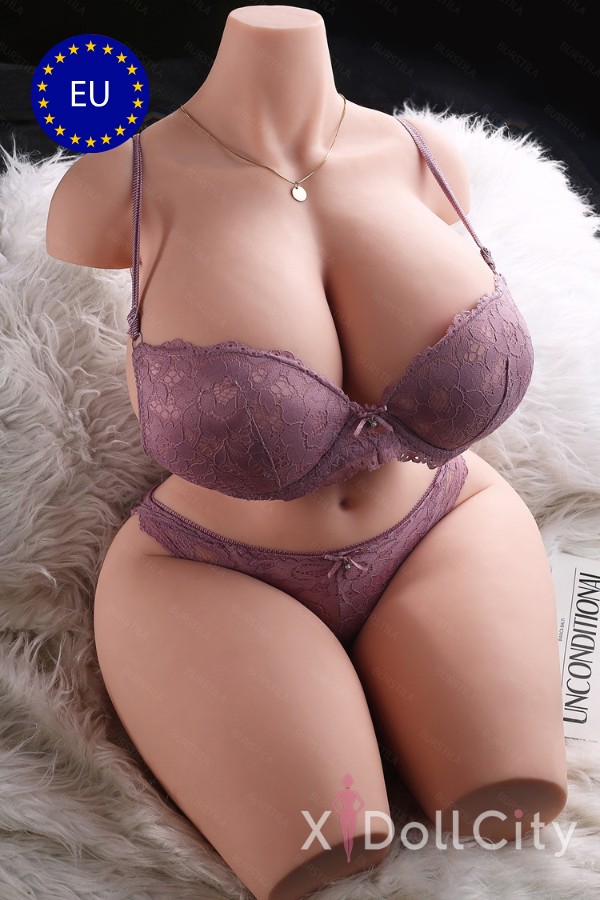
EU Stock - Maya 76cm/2′6″ Torso - The Ultimate Big Butt Real Doll for Unforgettable Pleasure
$ 822.00
$ 1,174.00