Parthenophilia
2025-12-02
Parthenophilia: The Fascination with Purity and Innocence
Parthenophilia refers to a sexual attraction toward individuals perceived as virgins or those associated with purity and innocence. The term comes from the Greek words parthenos (meaning “virgin”) and philia (meaning “love” or “attraction”). While this attraction may seem symbolic, it often represents deeper psychological themes connected to idealization, control, and desire for exclusivity.
For some, the appeal lies not in the act of virginity itself but in what it represents—freshness, untouched beauty, and vulnerability. In modern discussions about sexuality, parthenophilia is often debated due to its ethical and psychological complexities. Understanding this attraction requires exploring both cultural symbolism and emotional motivations rather than viewing it purely as a fetish.
The Psychology Behind Parthenophilia
Psychologically, parthenophilia may be linked to the desire for emotional dominance or the fantasy of being “the first.” It can also stem from social or cultural ideals that associate purity with virtue and moral superiority. This attraction often reflects internal conflicts about intimacy, control, and validation rather than a simple physical preference.
While parthenophilia can exist harmlessly as a fantasy, it’s important to distinguish it from unethical or non-consensual behavior. Responsible expression of this attraction requires maturity, communication, and respect for boundaries—core principles that align with healthy sexual exploration.
FAQ
What does parthenophilia mean?
Parthenophilia refers to sexual attraction toward virgins or individuals symbolizing purity and innocence. It focuses on emotional and cultural symbolism rather than just physical status.
Is parthenophilia considered a fetish?
It can be classified as a fetish if the attraction to virginity becomes the central focus of arousal. However, for many, it reflects psychological or symbolic fascination rather than a clinical fetish.
Why are some people attracted to virgins?
This attraction often stems from cultural and emotional factors—associations with purity, exclusivity, and innocence. It may also represent a desire for control or the fantasy of being someone’s “first.”
Is parthenophilia harmful?
Not necessarily. It becomes problematic only when it involves coercion or non-consensual fantasies. Healthy attraction requires ethical awareness and respect for autonomy.
How is parthenophilia portrayed in culture?
Across literature and media, parthenophilia often appears in stories idealizing innocence or transformation. It reflects society’s long-standing fascination with purity and the symbolic power of the “first experience.”
Buy Sex Doll from XdollCtiy
XdollCity offers a range of highly customizable adult dolls, designed to provide emotional connection and companionship. Whether you're seeking therapeutic relief or simply a way to enhance your personal life, our dolls are tailored to meet your needs. Order your personalized companion today and start your journey toward better intimacy.
29%
OFF
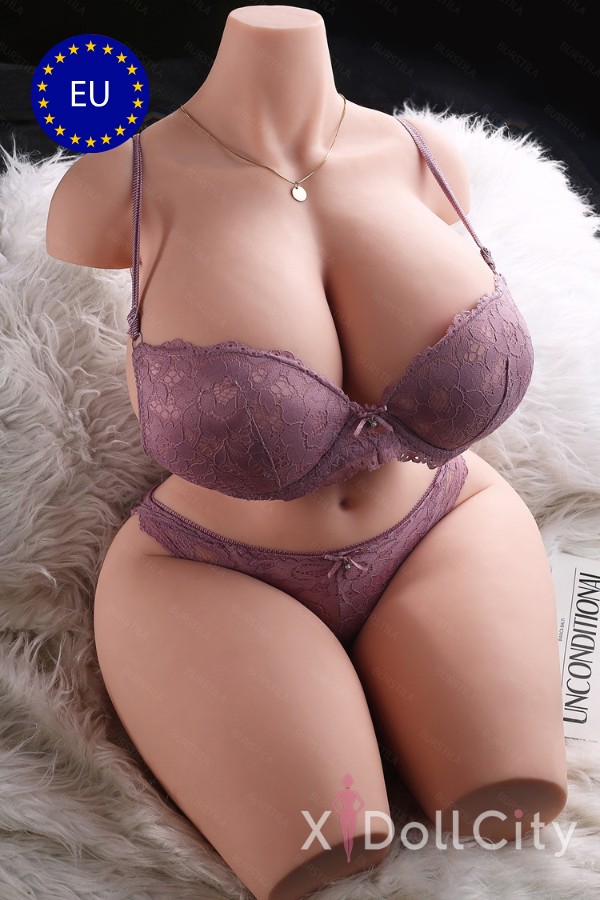
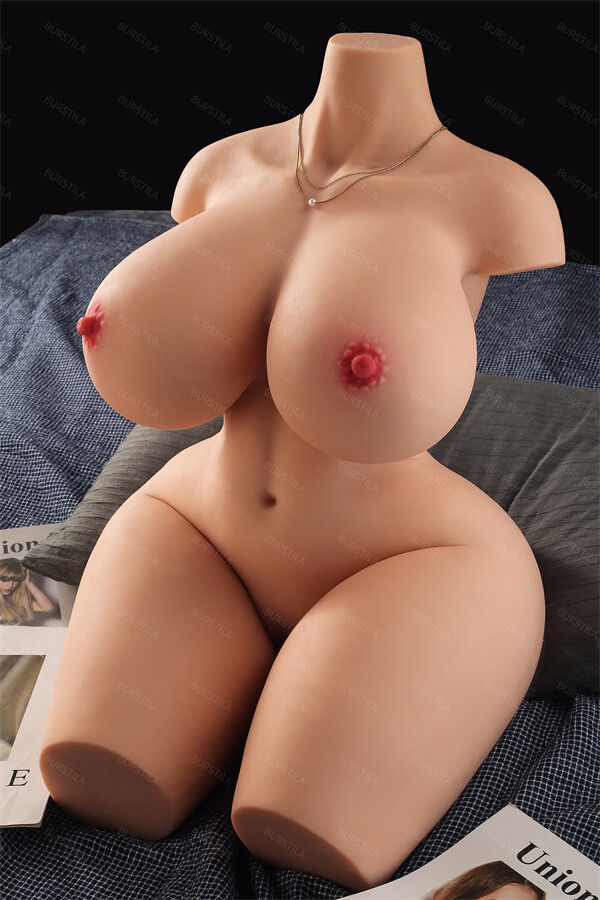
EU Stock - Maya 76cm/2′6″ Torso - The Ultimate Big Butt Real Doll for Unforgettable Pleasure
$ 822.00
$ 1,174.00