
Pap Smear
2025-12-22
Pap Smear: Understanding the Test That Protects Your Health
A Pap smear, also known as a Pap test, is a medical screening used to detect abnormal cervical cells that could develop into cervical cancer. The procedure involves gently collecting cells from the cervix—the lower part of the uterus—to check for early changes that may indicate infection, inflammation, or precancerous conditions.
Though commonly associated with routine gynecological exams, a Pap smear plays a crucial role in preventive sexual health. It allows early detection of human papillomavirus (HPV)-related changes and other abnormalities that might not show visible symptoms. Regular screening helps ensure that any potential issue is treated before it becomes serious.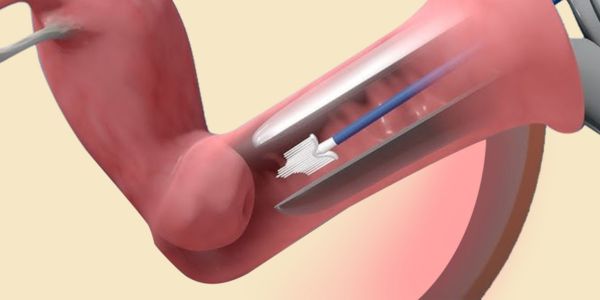
How the Test Works
During the exam, a healthcare provider uses a small instrument called a speculum to open the vaginal canal and collect a sample of cervical cells using a soft brush or spatula. The process takes only a few minutes. While it may cause mild discomfort or pressure, it’s generally painless and quick.
The results of a Pap smear can show whether your cervical cells are normal, inflamed, or show signs of infection or precancerous changes. If abnormal cells are detected, your doctor may recommend additional testing such as HPV screening or colposcopy to examine the cervix more closely.
Why Pap Smears Matter
Cervical cancer often develops slowly, and regular Pap tests can detect early signs years before they progress. For sexually active women, especially those with multiple partners or a history of HPV, routine screening is one of the most effective ways to maintain reproductive health.
Even if you feel healthy or have no symptoms, scheduling a Pap test as part of your sexual wellness routine is essential. Consistent screening, combined with HPV vaccination and safe sex practices, provides the best defense against cervical abnormalities.
FAQ
What is a Pap smear done for?
A Pap smear checks for abnormal cervical cells that may indicate infection, HPV changes, or early signs of cervical cancer, allowing for timely treatment.
How painful is a Pap smear?
Most people experience mild pressure or slight discomfort, but it’s not usually painful. The procedure is brief and well-tolerated by most women.
Who needs a Pap smear?
Women aged 21 and older, or those who are sexually active, should get regular Pap tests. Frequency depends on age, medical history, and prior test results.
What if a Pap smear test is positive?
A positive result doesn’t always mean cancer. It means abnormal cells were found, and further tests like an HPV screen or biopsy may be recommended.
What should I avoid before a Pap smear?
Avoid sexual intercourse, douching, or using vaginal creams for 24–48 hours before the test to ensure accurate results.
What’s the best age to get a Pap smear?
Screening is typically recommended starting at age 21. After that, most women should repeat the test every three years unless otherwise advised by a doctor.
Buy Sex Doll from XdollCtiy
XdollCity offers a range of highly customizable adult dolls, designed to provide emotional connection and companionship. Whether you're seeking therapeutic relief or simply a way to enhance your personal life, our dolls are tailored to meet your needs. Order your personalized companion today and start your journey toward better intimacy.


29%
OFF
EU Stock - Maya 76cm/2′6″ Torso - The Ultimate Big Butt Real Doll for Unforgettable Pleasure
$ 822.00
$ 1,174.00