Pangender
2026-01-18
Understanding Pangender Identity: Beyond the Binary
Pangender describes an identity that goes beyond traditional gender boundaries. A pangender person identifies with multiple or all genders, either simultaneously or at different times. Unlike binary gender identities—male and female—pangender people see gender as a fluid and expansive spectrum that cannot be confined to a single definition.
Pangender identity exists within the broader gender-diverse community, alongside terms like non-binary, genderfluid, and agender. Each reflects a unique experience of self and expression. For pangender individuals, gender is not fixed but ever-present in different forms—sometimes masculine, feminine, both, or neither.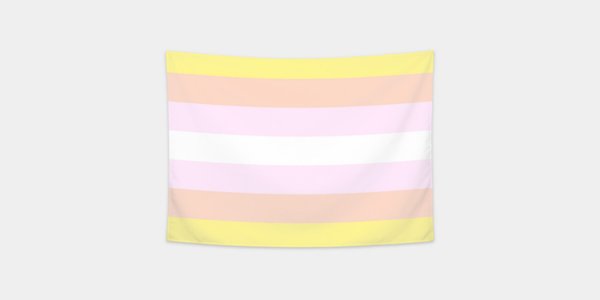
The Spectrum of Pangender Experience
Pangender identity challenges the idea that gender must fit into one of two categories. It embraces inclusivity and diversity, recognizing that gender can be emotional, social, and cultural, not just biological.
Many pangender people describe their experience as living across multiple gender expressions, which can change depending on mood, environment, or self-perception. This identity encourages self-acceptance and freedom from rigid norms, helping individuals explore who they truly are without constraint.
FAQ
What is a pangender person?
A pangender person identifies with many or all genders. Their gender experience extends beyond male and female, embracing the full range of gender identities.
How do I know if I am pangender?
You may be pangender if you feel connected to multiple gender identities or experience your gender as fluid and inclusive. Reflection and self-discovery can help clarify your feelings.
What is the difference between pangender and non-binary?
Non-binary refers to anyone outside the male-female binary, while pangender specifically means identifying with multiple or all genders within that spectrum.
What is the difference between pansexual and pangender?
Pansexual describes sexual attraction to all genders, while pangender describes one’s own gender identity. One relates to attraction, the other to self-identification.
Can a girl be a demigirl?
Yes. A demigirl identifies partially as a girl and partially as another gender. This identity exists within the non-binary spectrum and is entirely valid.
What is a pangender child?
A pangender child may express or identify with multiple genders. Supportive communication and acceptance are essential for helping them understand and embrace their identity.
Buy Sex Doll from XdollCtiy
XdollCity offers a range of highly customizable adult dolls, designed to provide emotional connection and companionship. Whether you're seeking therapeutic relief or simply a way to enhance your personal life, our dolls are tailored to meet your needs. Order your personalized companion today and start your journey toward better intimacy.
29%
OFF
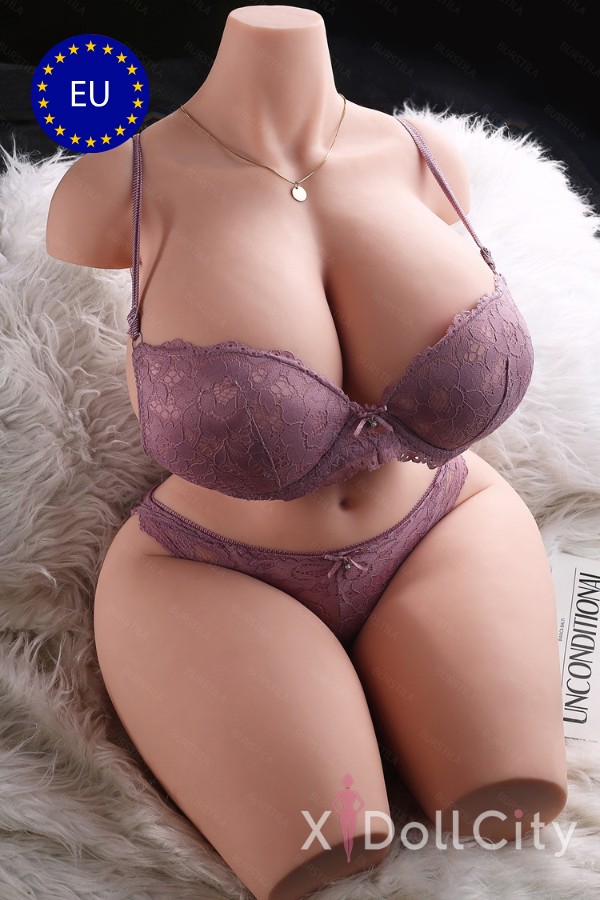
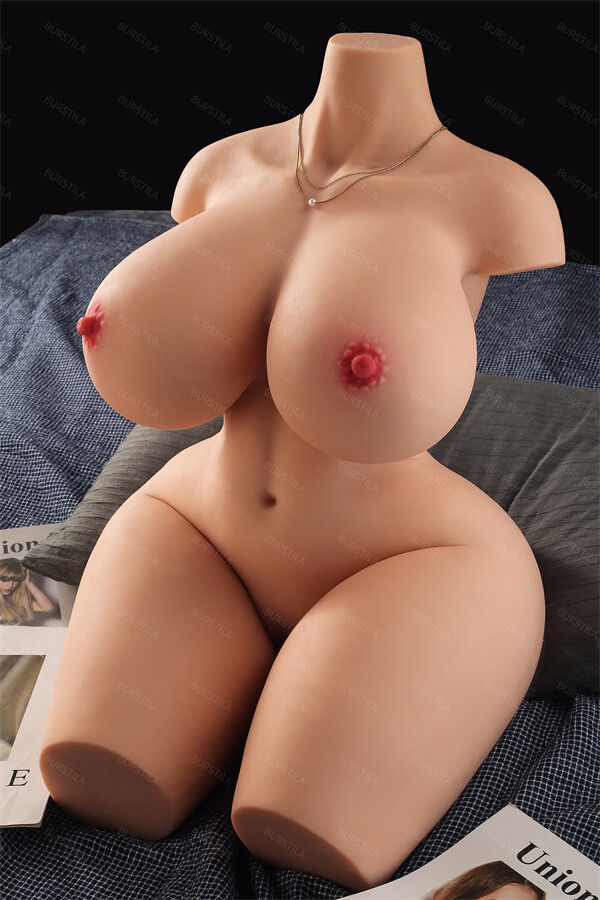
EU Stock - Maya 76cm/2′6″ Torso - The Ultimate Big Butt Real Doll for Unforgettable Pleasure
$ 822.00
$ 1,174.00