
Ophidicism
2025-11-28
Ophidicism: The Serpentine Symbolism of Desire
Ophidicism refers to a form of sexual fascination or arousal involving snakes or serpentine imagery. The word stems from “ophidian,” meaning snake-like, and often represents the deeper psychological and symbolic layers of human sexuality rather than literal interaction.
Throughout history, serpents have symbolized temptation, transformation, and sensual power. In many cultures, snakes embody both danger and desire—elements that mirror the tension found in erotic fantasy. For some, the fluid, coiling motion of snakes evokes imagery of submission, seduction, and primal attraction.
In modern sexual psychology, ophidicism is understood as a symbolic fetish—a fascination with the image or representation of serpents as agents of power, mystery, or forbidden pleasure. It often ties into broader themes of control, fear, and attraction.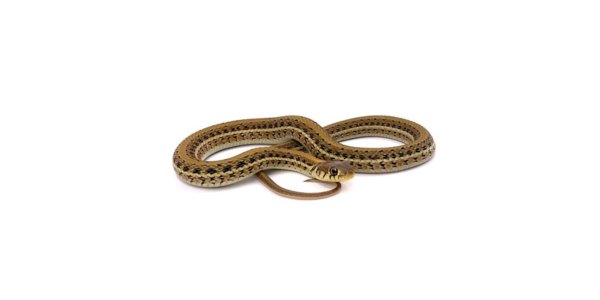
The Allure Behind Ophidicism
The appeal of ophidicism lies in its dual nature: the snake represents both fear and fascination. This paradox can heighten arousal by mixing danger with desire—a blend that taps into deeply rooted psychological instincts.
For some individuals, snake imagery in erotic art, fantasy, or mythology becomes a means to explore submission, seduction, or transformation. The erotic charge doesn’t come from the creature itself but from what it symbolizes—rebirth, danger, and sensual energy intertwined.
FAQ
What does ophidicism mean?
Ophidicism describes a sexual fascination or arousal linked to snakes or snake-like imagery, often symbolic rather than literal. It reflects attraction to serpentine movement and sensual symbolism.
Is ophidicism a common fetish?
It’s relatively rare. Ophidicism usually appears as a symbolic fantasy rather than direct physical attraction, tied more to psychological and mythological associations than literal interest.
Why are snakes often seen as sexual symbols?
Snakes have long represented temptation, transformation, and power. Their fluid motion and hidden strength align closely with sexual energy in art and mythology.
Is ophidicism dangerous or harmful?
Not inherently. As long as fantasies remain safe, consensual, and symbolic, ophidicism is simply another form of erotic imagination. It only becomes problematic if acted out in unsafe or nonconsensual ways.
What does the snake symbolize in sexual psychology?
In sexual symbolism, snakes often represent primal instincts, transformation, and forbidden desire. They embody the tension between fear and pleasure within erotic exploration.
Buy Sex Doll from XdollCtiy
XdollCity offers a range of highly customizable adult dolls, designed to provide emotional connection and companionship. Whether you're seeking therapeutic relief or simply a way to enhance your personal life, our dolls are tailored to meet your needs. Order your personalized companion today and start your journey toward better intimacy.


29%
OFF
EU Stock - Maya 76cm/2′6″ Torso - The Ultimate Big Butt Real Doll for Unforgettable Pleasure
$ 822.00
$ 1,174.00