One-Column Tie
2025-12-12
One-Column Tie: A Foundation of Safe and Sensual Bondage
The One-Column Tie is one of the most fundamental knots in bondage play and serves as a starting point for more advanced rope techniques. It’s commonly used in BDSM and erotic restraint, allowing one to safely secure a single limb—such as a wrist, ankle, or thigh—to another object or body part.
This tie is known for its simplicity, stability, and safety. When done correctly, it keeps pressure evenly distributed, preventing injury or numbness during play. The beauty of the One-Column Tie lies in its balance—it’s tight enough to restrain, yet gentle enough to maintain circulation and comfort.
Why the One-Column Tie Matters
In erotic rope play, restraint isn’t just about physical control—it’s about trust and connection. The One-Column Tie embodies that principle. It allows partners to explore vulnerability and submission while maintaining a high level of safety and communication.
Because of its straightforward design, this knot is ideal for both beginners and experienced riggers. It teaches precision, awareness, and consent—three essential components of responsible bondage. Whether used for decorative shibari or intimate bedroom restraint, it’s a versatile and symbolic knot that connects partners through mutual trust.
FAQ
What is a one-column tie used for?
A One-Column Tie is used to secure a single limb—like a wrist or ankle—during bondage play. It provides control without cutting off circulation, making it ideal for beginners.
How do you tie a one-column knot safely?
Use soft, natural fiber rope, ensure it’s not too tight, and check for comfort. Always keep scissors or safety shears nearby in case quick release is needed.
What’s the difference between a one-column and two-column tie?
A One-Column Tie binds a single limb, while a Two-Column Tie connects two limbs or a limb to another object. The one-column offers more flexibility and safety for lighter restraint.
Can beginners try the one-column tie?
Yes. It’s one of the safest knots for newcomers to bondage. With proper communication and aftercare, it’s a great way to explore gentle restraint and trust.
Why is consent important in rope play?
Consent ensures all activities are safe, enjoyable, and respectful. Discuss limits and safety signals before starting to create a trusting and fulfilling experience.
Buy Sex Doll from XdollCtiy
XdollCity offers a range of highly customizable adult dolls, designed to provide emotional connection and companionship. Whether you're seeking therapeutic relief or simply a way to enhance your personal life, our dolls are tailored to meet your needs. Order your personalized companion today and start your journey toward better intimacy.
29%
OFF
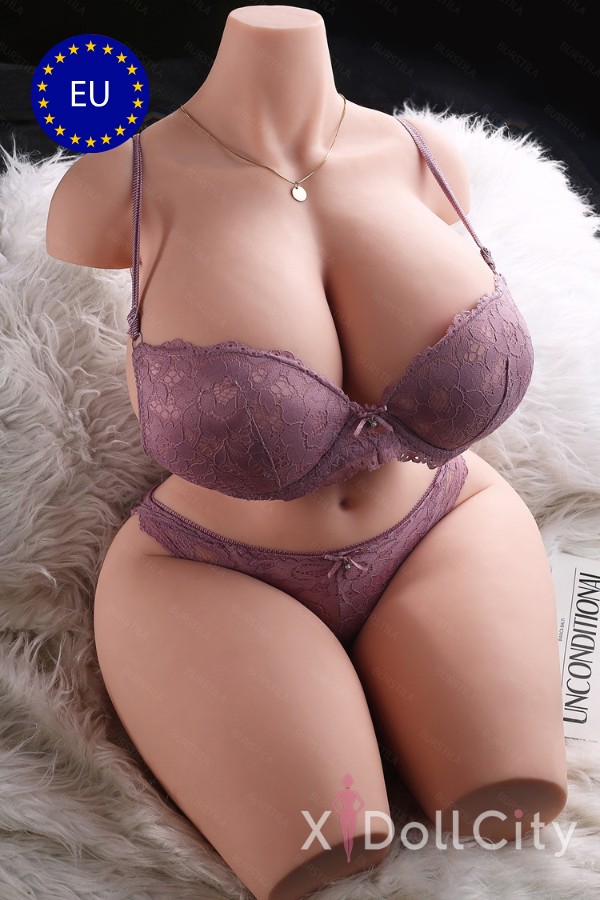
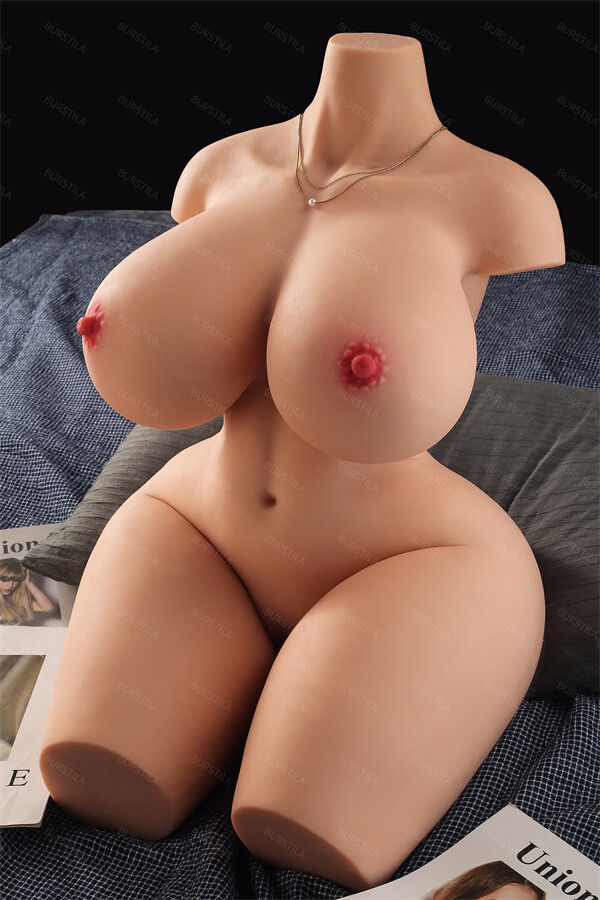
EU Stock - Maya 76cm/2′6″ Torso - The Ultimate Big Butt Real Doll for Unforgettable Pleasure
$ 822.00
$ 1,174.00