
Onanism
2025-12-18
Onanism: From Biblical Roots to Modern Sexual Understanding
The word Onanism has a long and often misunderstood history. Originally drawn from the biblical story of Onan in the Book of Genesis, the term once referred to the act of “spilling seed” outside of intercourse. Over time, however, its meaning evolved to describe masturbation or self-pleasure, a broader concept that moves beyond religious origins and into modern sexual discourse.
In early centuries, onanism carried heavy social and moral stigma. It was seen as a moral failing or a sign of impurity. But in contemporary understanding, sexual health experts now view masturbation as a normal and healthy aspect of sexuality, important for emotional release, body awareness, and even stress management.
The evolution of onanism reflects a broader shift in how society perceives sexual autonomy. What was once condemned is now recognized as a natural and often beneficial form of self-care—when practiced with mindfulness and without guilt.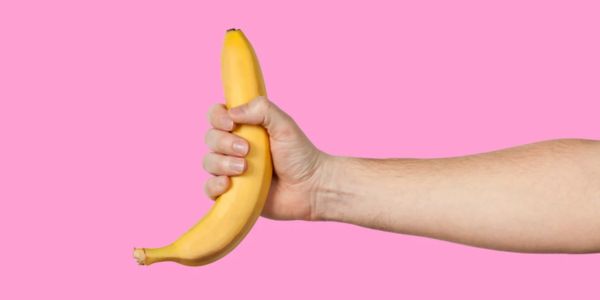
Modern Perspectives on Onanism
Today, onanism represents more than just the act of masturbation—it reflects the idea of sexual independence. Whether used for pleasure, relaxation, or exploration, it allows individuals to connect with their own desires without external pressure.
Many therapists emphasize that understanding one’s own body through onanism can improve confidence and communication in partnered sex. Far from taboo, it’s now considered an important part of sexual well-being.
FAQ
What does onanism mean?
Onanism traditionally refers to masturbation or self-stimulation. The term originates from the biblical story of Onan but has evolved to describe sexual self-pleasure in general.
Is onanism the same as masturbation?
Yes. While the original context was religious, modern use treats onanism and masturbation as the same—both referring to sexual self-gratification.
Is onanism considered healthy?
Yes. Masturbation, or onanism, is widely accepted as a healthy sexual activity that can relieve stress, improve sleep, and promote a better understanding of personal arousal.
Why was onanism once viewed negatively?
Historically, religious and cultural beliefs framed onanism as sinful or harmful. These views stemmed from moral interpretations of ancient texts rather than scientific understanding.
Can onanism affect relationships?
When balanced and consensual, onanism does not harm relationships. In fact, it can enhance intimacy by helping individuals understand their desires and communicate them more clearly.
Buy Sex Doll from XdollCtiy
XdollCity offers a range of highly customizable adult dolls, designed to provide emotional connection and companionship. Whether you're seeking therapeutic relief or simply a way to enhance your personal life, our dolls are tailored to meet your needs. Order your personalized companion today and start your journey toward better intimacy.

29%
OFF
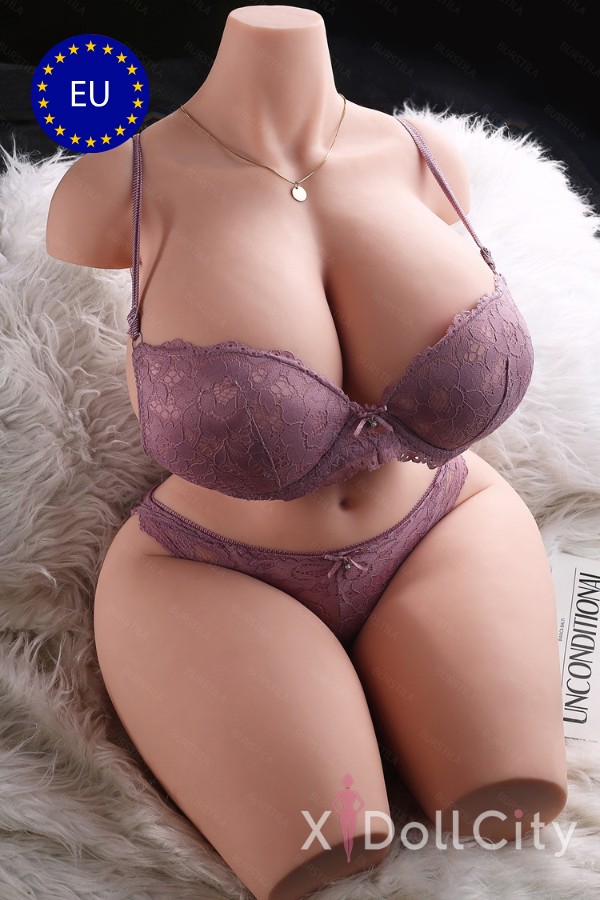
EU Stock - Maya 76cm/2′6″ Torso - The Ultimate Big Butt Real Doll for Unforgettable Pleasure
$ 822.00
$ 1,174.00