Omniromantic
2025-12-28
Understanding Omniromantic Identity: Beyond Gender Boundaries
The term Omniromantic describes someone who can experience romantic attraction toward people of all genders, but with an awareness of those genders. In other words, an omniromantic person doesn’t disregard gender—it may even play a role in how attraction forms—but it doesn’t restrict who they can love.
This romantic orientation sits within the broader spectrum of multigender attraction, alongside identities like panromantic and bisexual. For omniromantic individuals, connection is guided by emotional chemistry rather than rigid gender norms. The attraction can vary in depth and expression, reflecting both personal preference and fluidity.
Omniromantic people often emphasize inclusivity and emotional authenticity. They may feel drawn to multiple genders for different reasons—personality, energy, or emotional resonance—rather than physical traits alone. This makes omniromantic identity not just about attraction, but about understanding love as a complex and expansive experience.
The Emotional Spectrum of Omniromantic Attraction
Omniromantic attraction challenges the traditional binary view of relationships. It acknowledges that gender exists and may influence emotional connection, but it doesn’t create barriers. Some may describe it as romantic openness with gender awareness, offering a nuanced perspective within the LGBTQ+ community.
Like all orientations, omniromantic identity is deeply personal. It’s shaped by self-reflection, emotional experience, and social understanding. For many, identifying as omniromantic provides validation—a way to articulate their attraction without denying the role gender plays in their romantic life.
FAQ
What’s the difference between omnisexual and omniromantic?
Omnisexual refers to being sexually attracted to all genders, while omniromantic refers to being romantically attracted to all genders. One focuses on sexual desire, the other on emotional connection.
What is the difference between panromantic and omniromantic people?
Panromantic individuals experience romantic attraction regardless of gender. Omniromantic people are also attracted to all genders but remain aware of those genders in their emotional attraction.
Are there omniromantic flags?
Yes, the omniromantic flag typically features shades of pink, blue, and purple, symbolizing attraction across genders with gender awareness and inclusivity.
What does omnigender mean?
Omnigender refers to identifying with all genders rather than being attracted to them. It’s a gender identity, not a romantic or sexual orientation.
Is omnisexual LGBT?
Yes, omnisexuality and omniromanticism fall under the LGBTQ+ spectrum, representing inclusive identities that embrace attraction beyond traditional gender limits.
Buy Sex Doll from XdollCtiy
XdollCity offers a range of highly customizable adult dolls, designed to provide emotional connection and companionship. Whether you're seeking therapeutic relief or simply a way to enhance your personal life, our dolls are tailored to meet your needs. Order your personalized companion today and start your journey toward better intimacy.
29%
OFF
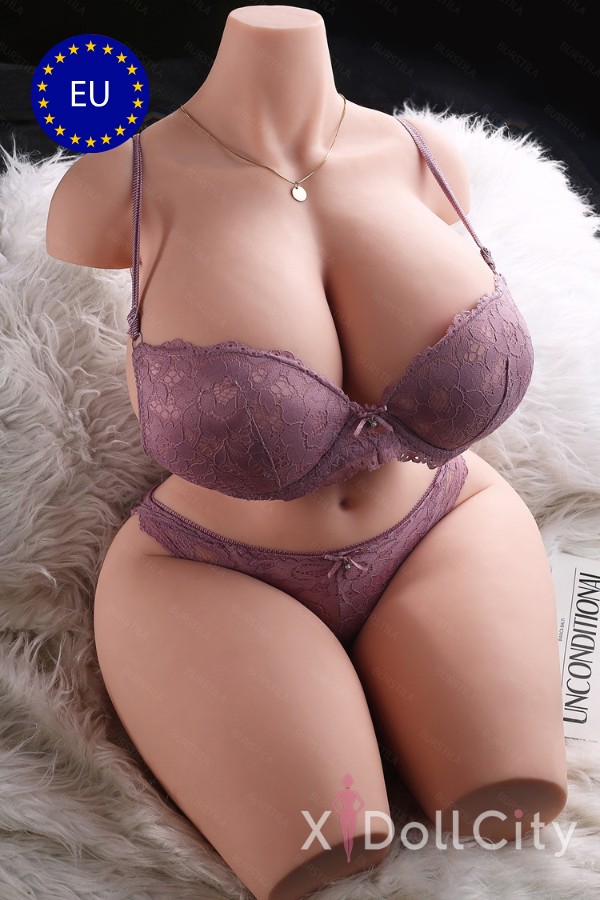
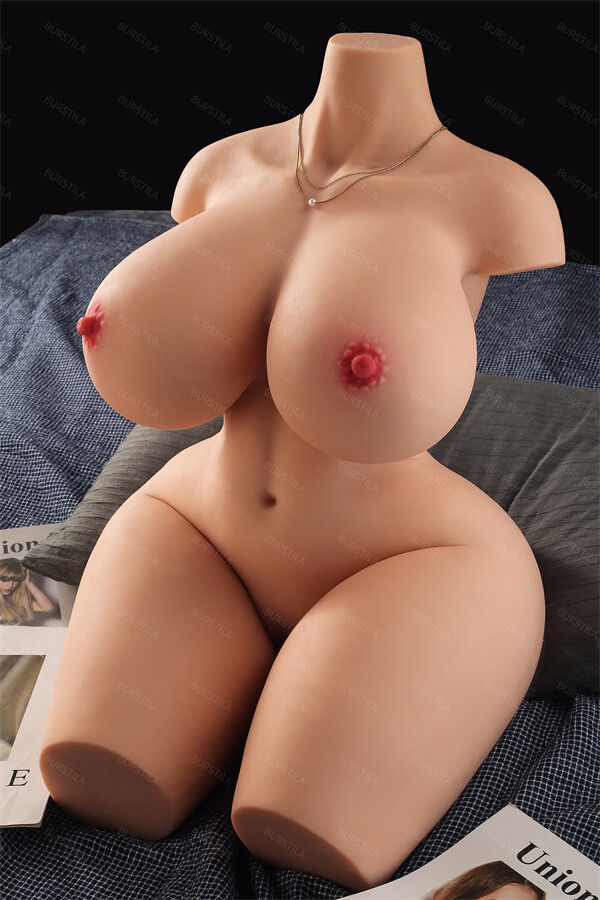
EU Stock - Maya 76cm/2′6″ Torso - The Ultimate Big Butt Real Doll for Unforgettable Pleasure
$ 822.00
$ 1,174.00