
Negging
2026-01-18
Negging: When Flirting Turns Into Emotional Manipulation
Negging is a manipulative communication tactic used in dating or flirting, where someone gives backhanded compliments or subtle insults to lower another person’s confidence. The goal is to create self-doubt, making the target more eager for the manipulator’s approval.
For example, a person might say, “You’re pretty for someone who doesn’t try too hard,” or “I usually don’t go for your type, but you’re interesting.” These statements seem like compliments but actually chip away at confidence, establishing control through subtle emotional imbalance.
How Negging Works in Relationships
Negging isn’t always obvious. It relies on psychological manipulation—mixing charm with criticism to confuse the other person’s emotional response. Over time, this erodes self-esteem and creates dependency, where the victim begins seeking validation from the one who’s undermining them.
In healthy relationships, respect and communication form the foundation of attraction. Negging reverses this dynamic by introducing insecurity. Recognizing these patterns early helps protect emotional boundaries and promotes genuine, equal connection.
FAQ
What does negging mean in dating?
Negging is a manipulative form of flirting where one person uses mild insults or “backhanded compliments” to lower another’s confidence and gain psychological control.
Why do people use negging?
People use negging to create emotional imbalance and make their partner seek approval. It’s often driven by insecurity or a desire to assert dominance in dating dynamics.
How can you tell if someone is negging you?
Watch for comments that mix compliments with criticism, such as “You’d look better if…” or “You’re not like most girls.” These remarks subtly undermine confidence.
Is negging a red flag?
Yes. Negging is considered an emotional manipulation tactic and signals a lack of respect. Healthy attraction doesn’t rely on lowering someone’s self-esteem.
How should you respond to negging?
Call out the behavior calmly, assert your boundaries, and disengage if it continues. Confidence and self-awareness are the best defenses against manipulation.
Buy Sex Doll from XdollCtiy
XdollCity offers a range of highly customizable adult dolls, designed to provide emotional connection and companionship. Whether you're seeking therapeutic relief or simply a way to enhance your personal life, our dolls are tailored to meet your needs. Order your personalized companion today and start your journey toward better intimacy.
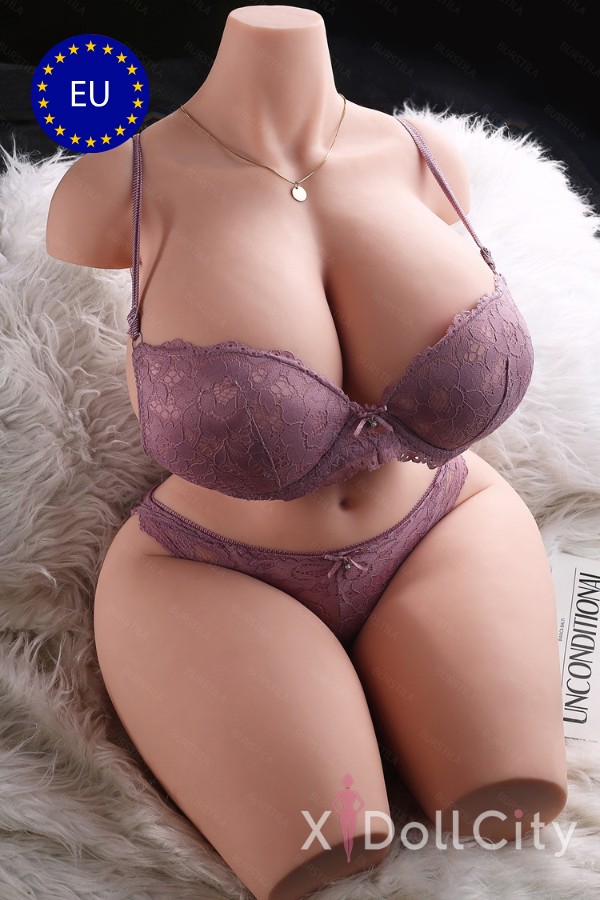
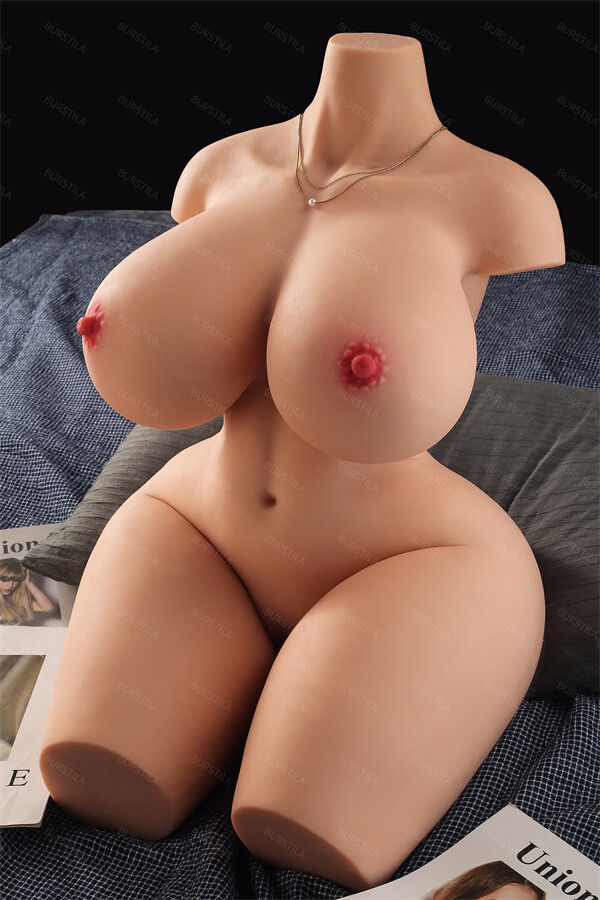
29%
OFF
EU Stock - Maya 76cm/2′6″ Torso - The Ultimate Big Butt Real Doll for Unforgettable Pleasure
$ 822.00
$ 1,174.00