
Male Dominance
2026-01-12
Male Dominance: The Balance Between Power and Intimacy
Male dominance refers to the behavioral and psychological expression of control, confidence, and authority often exhibited by men in both social and intimate contexts. In relationships, this dominance isn’t necessarily about superiority—it’s about leadership, decisiveness, and emotional command that can enhance attraction and balance within a partnership.
When expressed healthily, male dominance is grounded in mutual respect and consent. In sexual dynamics, it can appear through guiding actions, assertive energy, and taking initiative. This doesn’t mean aggression or inequality—it’s about creating a sense of stability and direction that some partners find deeply reassuring or arousing.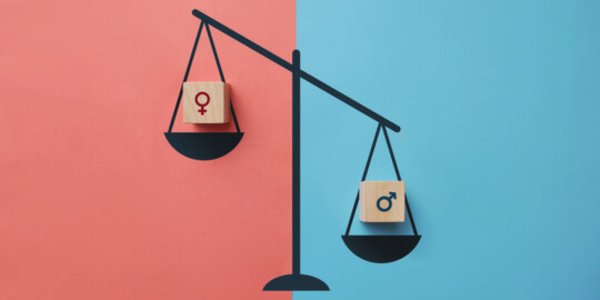
Dominance Beyond the Physical
True male dominance goes beyond body language or physical presence. It often lies in psychological steadiness—the ability to stay calm under pressure, make decisions confidently, and provide emotional security. These traits often appeal to partners who value strength combined with understanding.
In the realm of sexual dynamics, dominance can take many forms: verbal control, physical positioning, or emotional influence. Each expression depends on consent, boundaries, and communication. The most captivating dominant partners are those who wield power with awareness and empathy rather than force.
The Evolving View of Dominance
While male dominance was once tied to traditional gender roles, modern relationships redefine it through equality and choice. Today’s dominant male is not about control over others but about mastery of self—projecting calm confidence, emotional intelligence, and respect. When these qualities merge with erotic connection, dominance becomes not a struggle for power, but a language of desire.
FAQ
What is a word for male dominance?
Common terms include alpha male, dominant partner, or masculine leader—all describing confidence, control, and assertive behavior in men.
How do males show dominance?
Men often express dominance through calm authority, decisive action, confident posture, and the ability to lead emotionally and physically, especially in intimate or social contexts.
How do you describe a dominant male?
A dominant male is assertive yet empathetic. He shows confidence, takes initiative, and maintains emotional control while respecting his partner’s boundaries and consent.
What is the making of male dominance?
Male dominance is shaped by biology, psychology, and social influence. It combines assertiveness, presence, and communication rooted in emotional maturity and confidence.
What is the psychology of a dominant male?
Psychologically, dominant males tend to seek leadership and stability. They are motivated by control and protection but guided by empathy and mutual respect.
What is a dominant woman called?
A dominant woman is often referred to as a Dominatrix or simply a female Dom—a partner who embodies confidence, control, and authority within consensual power exchange.
Buy Sex Doll from XdollCtiy
XdollCity offers a range of highly customizable adult dolls, designed to provide emotional connection and companionship. Whether you're seeking therapeutic relief or simply a way to enhance your personal life, our dolls are tailored to meet your needs. Order your personalized companion today and start your journey toward better intimacy.

29%
OFF
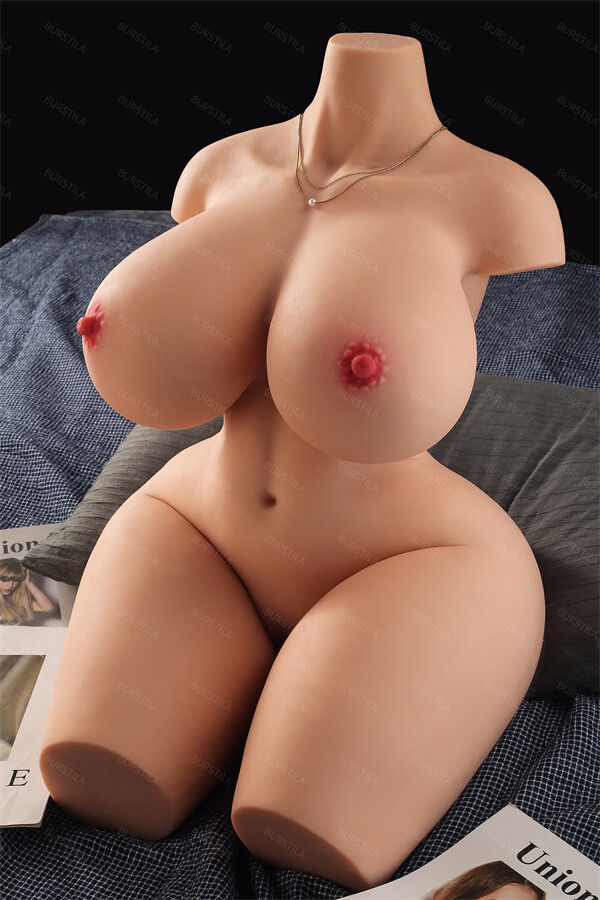
EU Stock - Maya 76cm/2′6″ Torso - The Ultimate Big Butt Real Doll for Unforgettable Pleasure
$ 822.00
$ 1,174.00