
Lactational Amenorrhea Method
2026-01-19
Understanding the Lactational Amenorrhea Method (LAM)
The Lactational Amenorrhea Method (LAM) is a natural form of birth control based on a woman’s body’s response to exclusive breastfeeding after childbirth. It relies on the body’s temporary suppression of ovulation during lactation, meaning a woman does not release eggs and therefore cannot conceive under specific conditions.
When practiced correctly, LAM can be up to 98% effective during the first six months after delivery. However, this effectiveness depends on a strict combination of exclusive breastfeeding, absence of menstruation, and being within six months postpartum.
How the Lactational Amenorrhea Method Works
LAM operates on the natural hormonal changes that occur when breastfeeding. Prolactin—the hormone responsible for milk production—also suppresses the release of reproductive hormones that trigger ovulation. Without ovulation, pregnancy is highly unlikely.
To maintain effectiveness, mothers must breastfeed exclusively, meaning no supplemental feeding or long breaks between sessions. Once menstruation returns, the baby begins taking solid foods, or six months have passed, LAM’s reliability decreases significantly. At that point, another contraceptive method is recommended.
FAQ
What is the lactational amenorrhea method?
LAM is a natural contraceptive method that relies on breastfeeding to suppress ovulation, preventing pregnancy for up to six months after childbirth under specific conditions.
What is the lactational amenorrhea method class 12?
In academic terms, LAM refers to natural birth control based on postpartum infertility during exclusive breastfeeding. It’s often studied in reproductive health topics in biology class 12.
What are the three conditions of LAM?
The three essential conditions are: the mother’s period has not returned, the baby is under six months old, and breastfeeding is exclusive, both day and night.
How many months does lactational amenorrhea last?
LAM is effective for up to six months after birth, as long as the mother continues exclusive breastfeeding and menstruation hasn’t resumed.
Can you get pregnant during lactational amenorrhea?
Yes, it’s possible if any of the three key conditions are not met. Once ovulation resumes or breastfeeding decreases, fertility can return quickly.
Can you get pregnant while breastfeeding?
Yes. Although breastfeeding delays ovulation, it’s not a guarantee against pregnancy. Fertility may return before menstruation does, so using backup contraception is advisable.
Buy Sex Doll from XdollCtiy
XdollCity offers a range of highly customizable adult dolls, designed to provide emotional connection and companionship. Whether you're seeking therapeutic relief or simply a way to enhance your personal life, our dolls are tailored to meet your needs. Order your personalized companion today and start your journey toward better intimacy.

29%
OFF
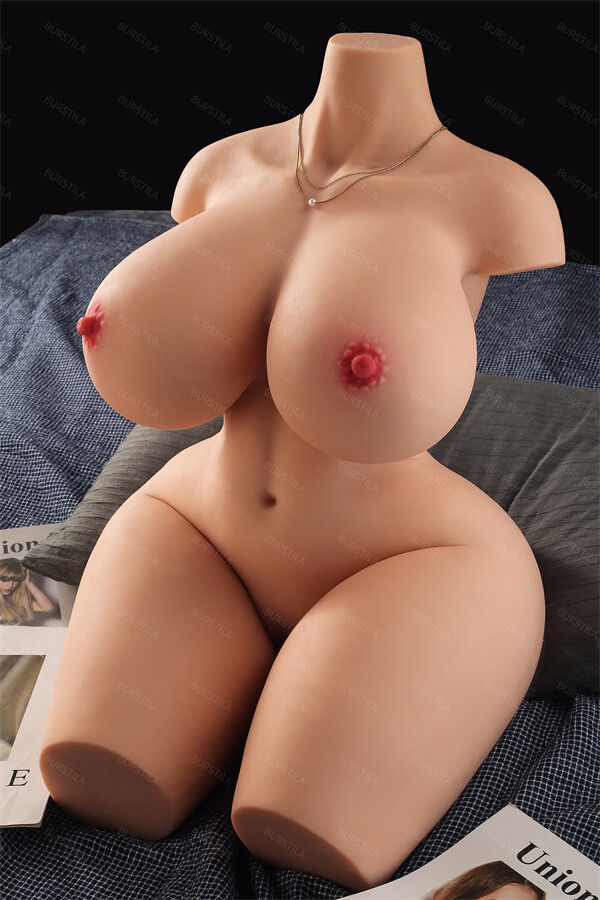
EU Stock - Maya 76cm/2′6″ Torso - The Ultimate Big Butt Real Doll for Unforgettable Pleasure
$ 822.00
$ 1,174.00