Klismaphilia
2025-12-09
Klismaphilia: When Cleansing Becomes Intimate Exploration
Klismaphilia refers to a sexual interest or arousal associated with enemas—a process traditionally used for internal cleansing. For some individuals, the sensations and vulnerability involved in the act of giving or receiving an enema can become deeply erotic.
Unlike general medical use, klismaphilia explores the emotional and physical sensations tied to submission, control, and cleansing. The practice can involve solo play or be shared between partners, often within a consensual BDSM context. What attracts people to it is not the medical aspect but the unique combination of physical stimulation and psychological surrender.
The experience typically blends physical sensitivity—pressure, warmth, and release—with a sense of emotional exposure. For many, that intimate vulnerability creates a profound connection between the body and mind.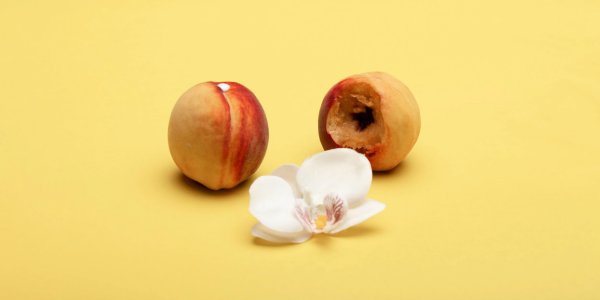
The Appeal of Klismaphilia
While outsiders may view klismaphilia as unconventional, those who practice it often describe it as soothing and emotionally bonding. The act involves a level of trust and cooperation that can deepen intimacy between partners.
Some find pleasure in the physical sensations; others in the dynamic of control—where one partner gives, and the other receives. It can also be part of ritualized play, where the act itself symbolizes purity, preparation, or submission.
Like all forms of sexual exploration, safety, consent, and communication are essential. Hygiene, preparation, and comfort should always take priority.
FAQ
What is the purpose of an enema?
An enema is used to cleanse the colon by introducing fluid into the rectum. In klismaphilia, it’s often enjoyed for the sensations and emotional connection it can create, not just medical reasons.
How long will I poop after an enema?
Most people feel the urge to expel within a few minutes. The effects can last for 15–30 minutes, depending on the amount and type of fluid used.
Why did hospitals stop giving enemas?
Hospitals reduced routine enemas because research found limited medical benefits for non-essential use. Today, enemas are typically used only when clinically necessary.
Who should avoid using enemas?
People with rectal disorders, recent bowel surgery, or heart and kidney issues should avoid enemas without medical supervision. Safety and hygiene must always come first.
Can I give myself an enema?
Yes, self-administered enemas are possible using proper equipment and sterile solutions. Always follow instructions carefully and stop immediately if discomfort occurs.
Buy Sex Doll from XdollCtiy
XdollCity offers a range of highly customizable adult dolls, designed to provide emotional connection and companionship. Whether you're seeking therapeutic relief or simply a way to enhance your personal life, our dolls are tailored to meet your needs. Order your personalized companion today and start your journey toward better intimacy.
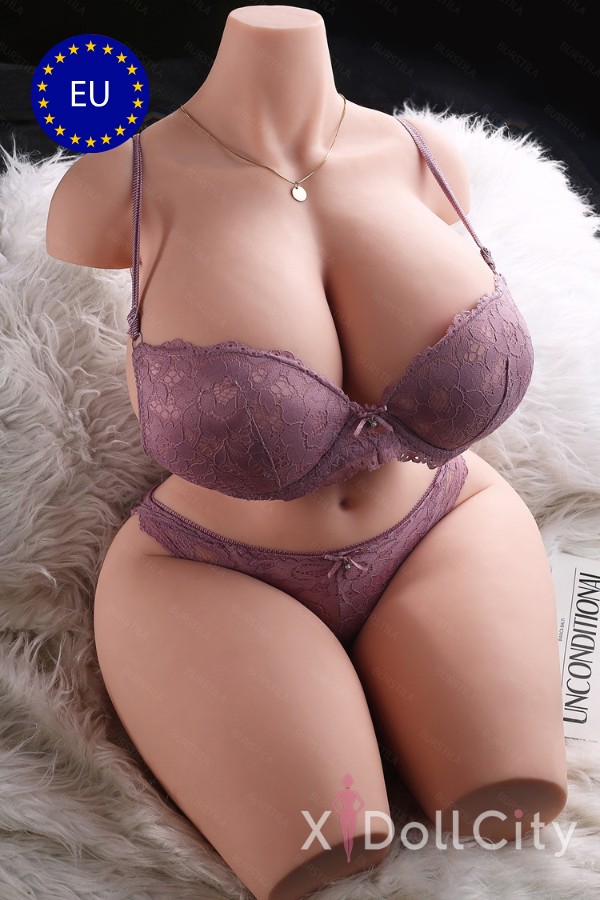
29%
OFF
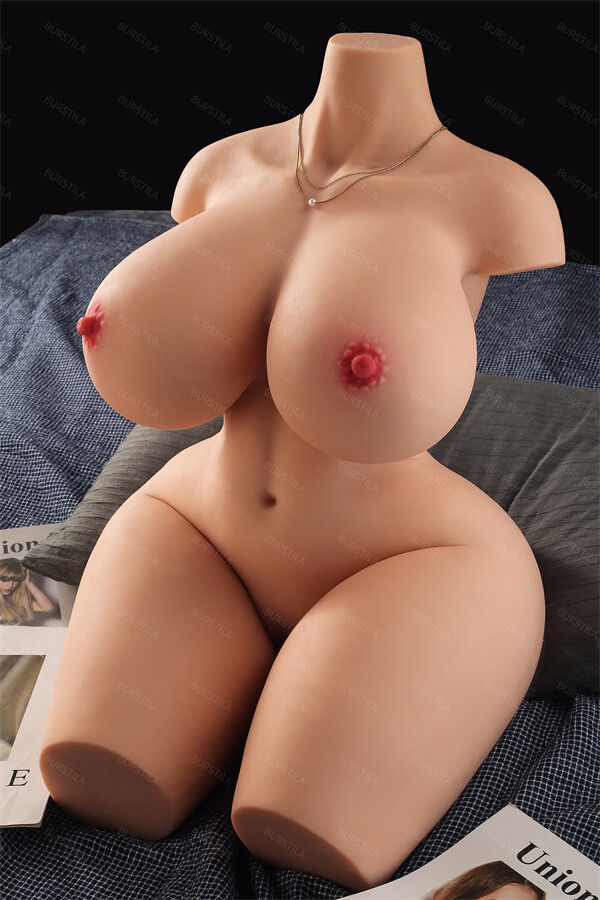
EU Stock - Maya 76cm/2′6″ Torso - The Ultimate Big Butt Real Doll for Unforgettable Pleasure
$ 822.00
$ 1,174.00