
Klein Sexual Orientation Grid
2025-12-18
The Klein Sexual Orientation Grid: A Modern View of Human Attraction
The Klein Sexual Orientation Grid (KSOG) is a psychological tool developed by Dr. Fritz Klein in the 1980s to better understand the complexities of sexual orientation. Unlike earlier models, which viewed sexuality as fixed or binary, the Klein Grid introduced a more fluid and multidimensional approach—acknowledging that attraction, behavior, and identity can evolve over time.
The KSOG expands on Alfred Kinsey’s original scale by evaluating sexual orientation across seven dimensions—including attraction, behavior, fantasies, emotional preference, and self-identification—each measured over three different time periods: past, present, and ideal. This model helps researchers and individuals explore how sexuality may shift based on experience, social context, or emotional connection.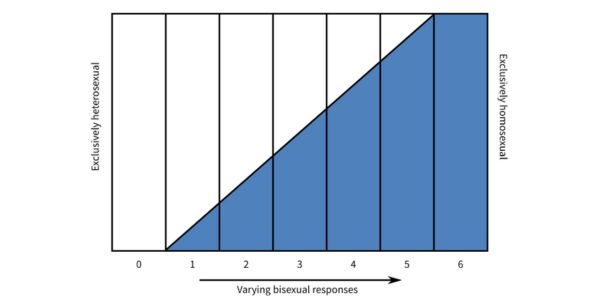
Why the Klein Grid Matters Today
The Klein Grid remains an important tool for studying human sexuality because it challenges rigid labels and binary thinking. Instead of defining people as strictly heterosexual, homosexual, or bisexual, it recognizes the spectrum of sexual experience.
In modern discussions about gender and attraction, the KSOG supports a more inclusive understanding of identity. It helps illustrate that human sexuality isn’t static—it’s dynamic, contextual, and deeply personal. Whether used in academic research or self-reflection, the Klein Grid continues to inspire open dialogue about how attraction truly works.
FAQ
How does the Klein Grid work?
The Klein Grid measures sexual orientation across seven factors—like attraction, behavior, and identity—over three time frames (past, present, ideal). It reveals how sexuality can evolve through life experiences.
What are Klein Grids used for?
They’re used by psychologists, researchers, and educators to analyze sexual diversity and fluidity. Many people also use the grid personally to better understand their sexual identity.
Is the Klein Grid still used?
Yes. While less common in clinical practice, it’s still widely referenced in sexuality research and gender studies as a framework for understanding non-binary sexual orientation.
Is there two or 72 genders?
Gender isn’t limited to two categories. Many societies now recognize a spectrum of gender identities—some classify dozens of gender expressions beyond male and female.
What are the five stages of bisexuality?
The stages often include awareness, denial, exploration, acceptance, and integration—representing the evolving understanding and embrace of bisexual identity.
What is almondsexual? What is bellussexual?
Almondsexual describes someone whose sexual attraction fluctuates, while bellussexual refers to people who experience attraction only in soft, tender contexts. Both reflect the growing language around diverse sexual identities.
Buy Sex Doll from XdollCtiy
XdollCity offers a range of highly customizable adult dolls, designed to provide emotional connection and companionship. Whether you're seeking therapeutic relief or simply a way to enhance your personal life, our dolls are tailored to meet your needs. Order your personalized companion today and start your journey toward better intimacy.


29%
OFF
EU Stock - Maya 76cm/2′6″ Torso - The Ultimate Big Butt Real Doll for Unforgettable Pleasure
$ 822.00
$ 1,174.00