
Kinky
2026-01-06
Exploring the Meaning of “Kinky”: Beyond the Bedroom
The term kinky is often associated with adventurous or unconventional sexual interests, but its true meaning goes far deeper than mere experimentation. To be “kinky” is to embrace sexual curiosity and personal authenticity, challenging traditional norms about pleasure and intimacy.
Kinkiness is not about extremes—it’s about openness. People who identify as kinky often enjoy exploring fantasies, sensations, or power dynamics that step outside the mainstream. From light bondage to role-play, or even psychological control, the term “kinky” covers a wide spectrum of consensual practices that allow individuals to express desire in creative and fulfilling ways.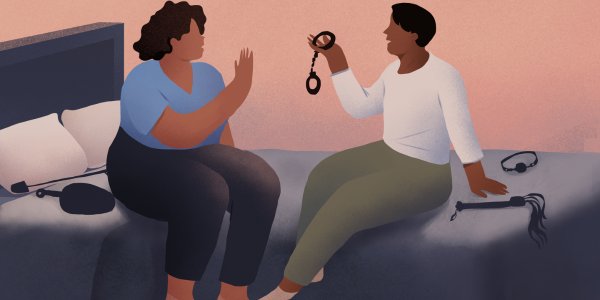
The Evolution of Kink Culture
Historically, “kink” was used to describe something twisted or unusual. Over time, the meaning evolved—what was once taboo is now seen as a legitimate expression of sexuality. Modern kink emphasizes consent, safety, and communication, with many practitioners viewing it as an extension of emotional honesty and body awareness.
Being kinky doesn’t define one’s morality—it defines one’s openness to explore. In today’s society, kink is no longer confined to secret circles; it’s part of an ongoing cultural conversation about sexual identity and personal freedom.
For some, kink means physical acts like restraint or impact play. For others, it’s the mental connection—trust, surrender, and shared vulnerability—that creates true excitement.
FAQ
What does being kinky mean?
Being kinky means enjoying sexual practices or fantasies that differ from traditional norms. It reflects curiosity, creativity, and the desire to explore new sensations or dynamics with consent.
Is being kinky considered normal?
Yes, it’s entirely normal. Many people have kinky preferences—it’s part of healthy sexual diversity. What matters most is consent, communication, and mutual respect between partners.
How do I know if I’m kinky?
You might be kinky if you feel aroused or intrigued by non-traditional forms of intimacy, such as power play, bondage, or specific fantasies. Exploring boundaries safely helps clarify what excites you.
Can kinky relationships be healthy?
Absolutely. Kinky relationships can be very healthy when built on trust, consent, and clear communication. Many partners report greater emotional connection and honesty through shared exploration.
Is kink the same as BDSM?
Not exactly. BDSM is one subset of kink focused on bondage, discipline, dominance, submission, and sadomasochism. Kink is a broader term that includes any consensual, unconventional sexual interest.
Buy Sex Doll from XdollCtiy
XdollCity offers a range of highly customizable adult dolls, designed to provide emotional connection and companionship. Whether you're seeking therapeutic relief or simply a way to enhance your personal life, our dolls are tailored to meet your needs. Order your personalized companion today and start your journey toward better intimacy.
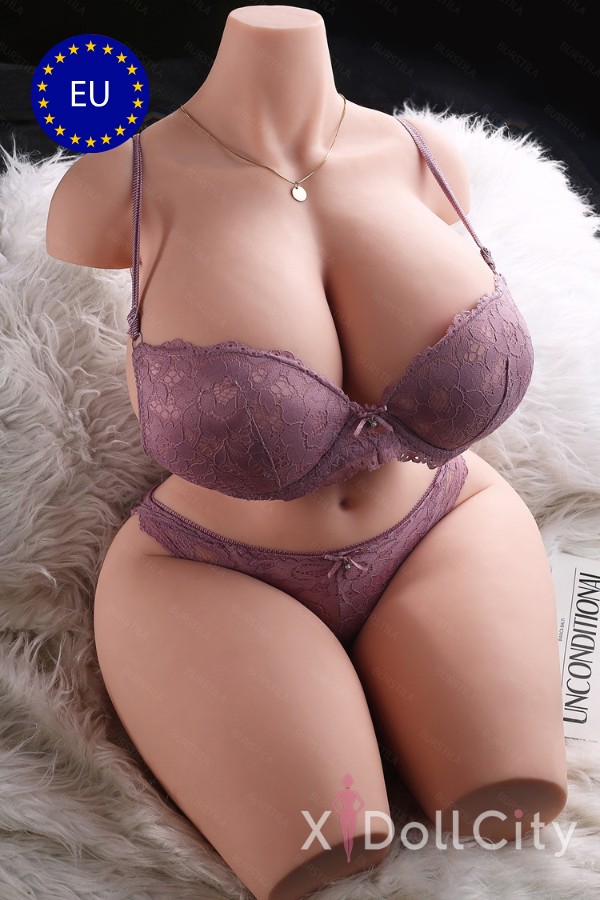

29%
OFF
EU Stock - Maya 76cm/2′6″ Torso - The Ultimate Big Butt Real Doll for Unforgettable Pleasure
$ 822.00
$ 1,174.00