
Kink Shaming
2026-01-13
Kink Shaming: Understanding Judgment and Acceptance in Sexual Expression
Kink shaming refers to the act of criticizing, mocking, or rejecting someone for their sexual preferences or fetishes. It often appears in both online and offline spaces where individuals express unconventional forms of intimacy. The term is used to describe the social stigma attached to those who explore nontraditional sexual behaviors, such as BDSM, role-play, or fetishes.
At its heart, kink shaming stems from misunderstanding, cultural bias, and moral judgment. Many people still associate sexual openness with deviance or immorality, which can lead to public humiliation, guilt, or even self-repression for those who practice alternative forms of sexuality.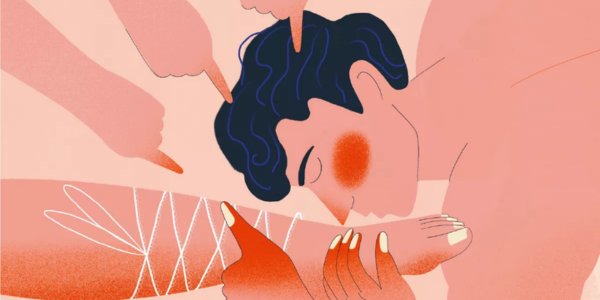
The Psychological Impact of Kink Shaming
For individuals who experience kink shaming, the effects often go beyond embarrassment. It can lead to internalized shame, anxiety, or reluctance to express one’s authentic desires. This suppression can create emotional distance between partners, hindering honest communication and intimacy.
Sexual preferences, when consensual and safe, are a natural part of human diversity. Understanding and accepting different expressions of desire encourages not only sexual freedom but also emotional health. Respecting boundaries and differences builds stronger, more empathetic relationships—both within the BDSM community and beyond it.
A Shift Toward Acceptance
Over the past decade, the conversation around sexual identity has evolved. The rise of online communities and inclusive education has helped normalize kinks as valid expressions of desire. “No kink shame” has become a core principle in many sex-positive spaces, encouraging open dialogue and reducing stigma.
Kink shaming harms both individuals and communities by enforcing unnecessary guilt. Acknowledging and celebrating sexual diversity allows people to connect authentically, without fear of judgment.
FAQ
Why is kink shaming a bad thing?
Kink shaming harms self-expression and trust. It promotes guilt and stigma, making people feel unsafe about their consensual desires, and damages emotional openness in relationships.
What is a Kinkshane?
“Kinkshane” isn’t a formal term but is often used humorously or mistakenly to describe someone who criticizes others for their kinks—a person who engages in kink shaming.
What are common shame kink scenarios?
These involve power exchange or emotional play centered on embarrassment, like role-play or degradation kinks. When done consensually, they focus on trust, not real humiliation.
What are the 12 types of shame?
While not all apply to sexuality, shame types include rejection, unworthiness, exposure, failure, and humiliation. In kink, these feelings can be transformed into intimacy when safely explored.
Why would someone have an humiliation kink?
An humiliation kink allows a person to safely explore vulnerability and emotional release. It’s based on trust, consent, and the erotic thrill of controlled embarrassment.
What is no kink shame?
“No kink shame” promotes acceptance and respect for others’ sexual preferences, as long as they are consensual and safe. It’s a cornerstone of sex-positive culture.
Buy Sex Doll from XdollCtiy
XdollCity offers a range of highly customizable adult dolls, designed to provide emotional connection and companionship. Whether you're seeking therapeutic relief or simply a way to enhance your personal life, our dolls are tailored to meet your needs. Order your personalized companion today and start your journey toward better intimacy.


29%
OFF
EU Stock - Maya 76cm/2′6″ Torso - The Ultimate Big Butt Real Doll for Unforgettable Pleasure
$ 822.00
$ 1,174.00