
Insect Fetish
2025-11-30
Insect Fetish: Between Fear, Fascination, and Fantasy
An insect fetish refers to a form of sexual arousal connected to insects—either the imagery, sensation, or symbolic aspects of them. This interest can range from mild curiosity to full incorporation of insect-themed fantasies within sexual or artistic expression.
Unlike more common fetishes, insect fetishism blends psychological tension and sensory fascination. For some, the appeal lies in the idea of surrendering control, being observed, or experiencing sensations associated with crawling, touching, or confinement. In other cases, the aesthetic of insects—their symmetry, fragility, or primal nature—can symbolize transformation and submission.
It’s important to distinguish between fantasy and practice. While some explore insect imagery in erotic art or role-play scenarios, others are drawn to the symbolic meaning of insects as metaphors for power, instinct, or taboo desire.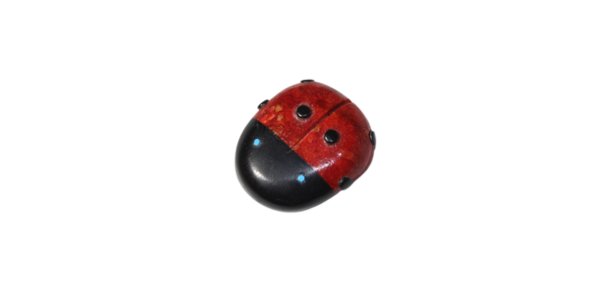
The Psychology Behind Insect Fetishism
At its psychological core, insect fetishism connects to control, vulnerability, and sensory extremes. Insects naturally evoke both fear and curiosity, emotions that can heighten arousal through the brain’s release of adrenaline and dopamine. For some, that blend of anxiety and excitement becomes erotically charged.
This fetish can also reflect the appeal of transgression—breaking social or biological boundaries. Like many unconventional kinks, insect fetishism exists in a wide spectrum, from artistic fascination to deep erotic identification.
As with any sexual preference, consent, safety, and communication remain essential. Exploration of this fetish should always occur within controlled, imaginative, and consensual boundaries.
FAQ
What is an insect fetish?
An insect fetish involves sexual or psychological arousal related to insects or insect imagery. It may include fantasies, sensations, or symbolic associations rather than physical contact.
Why are some people attracted to insects?
For some, insects symbolize vulnerability, transformation, or primal energy. The mix of fear and fascination can trigger arousal through heightened sensory and emotional responses.
Is insect fetishism common?
It’s relatively rare compared to other fetishes. Most people experience it as a fantasy or artistic theme rather than a physical practice.
Is insect fetish dangerous?
If kept within imaginative or role-play contexts, it’s safe. However, involving real insects can pose health risks. Always prioritize safety and consent in any form of sexual exploration.
How do people explore insect fetish safely?
Many express it through art, writing, or controlled sensory play using imitation or insect-themed accessories. Open communication with partners is crucial to ensure comfort and consent.
Buy Sex Doll from XdollCtiy
XdollCity offers a range of highly customizable adult dolls, designed to provide emotional connection and companionship. Whether you're seeking therapeutic relief or simply a way to enhance your personal life, our dolls are tailored to meet your needs. Order your personalized companion today and start your journey toward better intimacy.


29%
OFF
EU Stock - Maya 76cm/2′6″ Torso - The Ultimate Big Butt Real Doll for Unforgettable Pleasure
$ 822.00
$ 1,174.00