
Inhibited Sexual Desire
2025-12-04
Inhibited Sexual Desire: Understanding the Loss of Intimacy and Drive
Inhibited sexual desire (ISD) refers to a condition where an individual experiences a persistent lack of interest in sexual activity. This can affect both men and women and may arise from psychological, emotional, or physiological factors. Unlike temporary fluctuations in libido, ISD tends to be ongoing and can influence relationships, confidence, and overall well-being.
Sexual desire is influenced by more than just hormones. Stress, mental health struggles, trauma, and even relationship dynamics can all play a role in lowering one’s sexual appetite. In some cases, medication, hormonal imbalance, or chronic illness may also contribute to decreased desire.
Recognizing inhibited sexual desire isn’t about labeling it as a dysfunction—it’s about understanding what the body and mind are communicating. Acknowledging these signals allows individuals to address the underlying issues with self-awareness and compassion.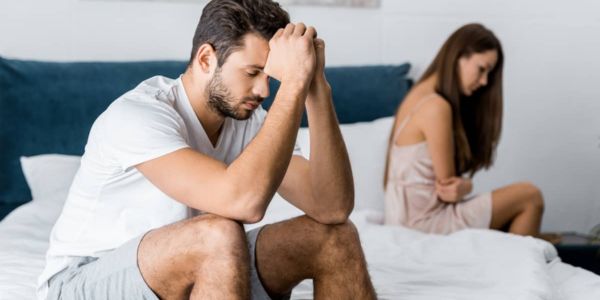
The Emotional and Physical Roots of ISD
The connection between the body and mind plays a central role in sexual desire. When emotional intimacy fades or mental stress builds, arousal mechanisms naturally slow down. Similarly, physical changes—like hormonal decline or prolonged celibacy—can influence libido.
Addressing ISD begins with identifying its source. For some, therapy or medical consultation helps uncover deeper emotional or physiological barriers. For others, rebuilding intimacy through communication, mindfulness, or new forms of touch may reignite connection and desire.
FAQ
How do I tell if I’m sexually repressed?
You may be sexually repressed if you frequently avoid sexual thoughts, feel guilt or anxiety about intimacy, or struggle to enjoy sexual experiences even in safe, loving relationships.
Why am I so sexually inhibited?
Sexual inhibition often stems from emotional stress, trauma, religious conditioning, or relationship conflict. It can also result from low self-esteem or unresolved psychological barriers.
What happens when a woman is not sexually active for a long time?
Prolonged sexual inactivity may affect vaginal elasticity, hormone balance, and emotional well-being. However, it doesn’t cause permanent harm and can be reversed through renewed intimacy or self-exploration.
What happens to your body when you’re not sexually active?
Without sexual activity, the body may experience reduced endorphin release and lowered mood. Regular arousal supports circulation, hormonal balance, and emotional regulation.
Why have I lost all horniness?
Loss of libido may result from stress, hormonal changes, medication, or emotional detachment. Reconnecting with your body, reducing stress, and seeking professional help can help restore sexual desire.
Buy Sex Doll from XdollCtiy
XdollCity offers a range of highly customizable adult dolls, designed to provide emotional connection and companionship. Whether you're seeking therapeutic relief or simply a way to enhance your personal life, our dolls are tailored to meet your needs. Order your personalized companion today and start your journey toward better intimacy.


29%
OFF
EU Stock - Maya 76cm/2′6″ Torso - The Ultimate Big Butt Real Doll for Unforgettable Pleasure
$ 822.00
$ 1,174.00