
Infertility
2025-12-23
Infertility: When Intimacy Meets Biology
Infertility refers to the inability to conceive after regular, unprotected sexual activity for an extended period—typically 12 months. It’s a condition that affects both men and women and can bring significant emotional and physical challenges.
While infertility is often discussed in medical terms, it also touches deeply on intimacy, identity, and relationships. For many couples, the struggle to conceive reshapes how they view sexuality, desire, and emotional connection. Understanding infertility means looking beyond the biological—to the human experience behind it.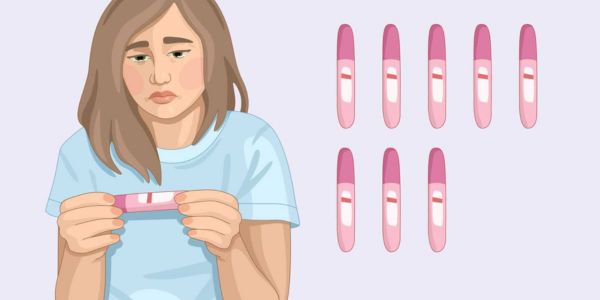
Causes and Emotional Impact
Infertility can stem from various causes, including hormonal imbalances, reproductive disorders, or lifestyle factors such as stress and diet. In men, low sperm count or mobility may play a role; in women, issues like ovulation disorders or blocked fallopian tubes are common factors.
Beyond the medical side, infertility carries a profound psychological weight. Feelings of frustration, inadequacy, and guilt can affect self-esteem and intimacy. Couples often report shifts in their sexual dynamics, as sex may start to feel more like a goal-driven task than a spontaneous act of affection.
However, modern reproductive medicine and therapy offer renewed hope. Treatments such as IVF, ICSI, and hormonal therapies have transformed the outlook for many couples—reminding them that infertility does not define their worth or the strength of their relationship.
FAQ
What are the common causes of infertility?
Infertility can result from hormonal imbalances, reproductive organ issues, age, or lifestyle factors like stress, smoking, or poor diet. Both men and women can be affected.
How is infertility diagnosed?
Diagnosis usually involves medical evaluations for both partners, including hormone tests, semen analysis, and imaging studies to assess reproductive health and function.
Can infertility be treated?
Yes. Treatments vary based on the cause and may include fertility drugs, surgery, assisted reproductive technologies like IVF, or lifestyle changes to improve reproductive health.
How does infertility affect relationships?
Infertility can create emotional strain and impact intimacy, leading to stress and communication challenges. Open dialogue and emotional support are key to maintaining closeness.
When should couples seek medical help for infertility?
Couples should consult a specialist after 12 months of unprotected sex without conception—or after 6 months if the woman is over 35—to identify potential underlying causes early.
Buy Sex Doll from XdollCtiy
XdollCity offers a range of highly customizable adult dolls, designed to provide emotional connection and companionship. Whether you're seeking therapeutic relief or simply a way to enhance your personal life, our dolls are tailored to meet your needs. Order your personalized companion today and start your journey toward better intimacy.


29%
OFF
EU Stock - Maya 76cm/2′6″ Torso - The Ultimate Big Butt Real Doll for Unforgettable Pleasure
$ 822.00
$ 1,174.00