
Infertile
2025-12-23
Infertility: Understanding Its Meaning and Impact on Sexual Health
The term infertile refers to the inability to conceive or cause conception after a consistent period of unprotected sexual activity—typically one year or more. Both men and women can experience infertility, and it often stems from physical, hormonal, or lifestyle-related causes.
In women, infertility may result from ovulation issues, hormonal imbalances, or blocked fallopian tubes. In men, it’s commonly linked to low sperm count, poor sperm motility, or abnormal sperm structure. While infertility can be emotionally challenging, it’s a medical condition, not a reflection of worth or masculinity/femininity.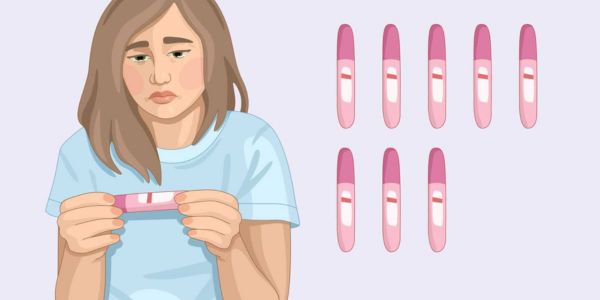
Emotional and Relationship Impact
Infertility doesn’t only affect physical health—it also influences emotional connection, self-esteem, and intimacy. Couples often experience stress, frustration, or sadness during fertility struggles. Open communication and professional support are key to maintaining a healthy relationship during this process.
Modern medicine offers various solutions, from fertility treatments like IVF and IUI to lifestyle changes that improve reproductive health. With proper guidance, many individuals and couples can still achieve their dream of becoming parents.
FAQ
What does it mean to be infertile?
Being infertile means being unable to conceive naturally after a year of regular, unprotected sex. It may affect one or both partners and can often be treated medically.
What are examples of infertile?
Examples include women with blocked fallopian tubes or men with low sperm count or poor sperm motility. Hormonal issues can also make conception difficult.
How do I know if I’m infertile?
If pregnancy hasn’t occurred after a year of unprotected sex, medical testing can help identify fertility issues. Irregular periods or erectile problems can be early signs.
Can you have a baby if you are infertile?
Yes. Treatments like IVF, sperm donation, or egg retrieval can help many infertile individuals or couples conceive and have healthy children.
What are five causes of infertility?
Common causes include hormonal imbalance, low sperm count, ovulation disorders, uterine abnormalities, and lifestyle factors such as smoking or poor diet.
At what age does infertility begin?
Fertility gradually decreases around age 30 for women and 40 for men. However, the rate varies depending on genetics, health, and lifestyle.
What are the first signs of infertility in females?
Signs can include irregular or absent periods, painful menstruation, or hormonal symptoms such as acne and hair loss. Medical evaluation is essential for diagnosis.
What does infertile sperm look like?
Infertile sperm may appear normal to the naked eye but show abnormalities under a microscope, such as misshapen heads or poor movement.
Buy Sex Doll from XdollCtiy
XdollCity offers a range of highly customizable adult dolls, designed to provide emotional connection and companionship. Whether you're seeking therapeutic relief or simply a way to enhance your personal life, our dolls are tailored to meet your needs. Order your personalized companion today and start your journey toward better intimacy.


29%
OFF
EU Stock - Maya 76cm/2′6″ Torso - The Ultimate Big Butt Real Doll for Unforgettable Pleasure
$ 822.00
$ 1,174.00