Infatuation
2025-12-29
Infatuation: The Intense Spark Before Love
Infatuation is the emotional rush that often marks the beginning of attraction. It’s that dizzying mix of excitement, longing, and desire that makes you think about someone constantly. While it feels powerful, infatuation is often driven more by fantasy than reality—a projection of what we wish the other person to be rather than who they truly are.
In relationships, infatuation can be both thrilling and misleading. It can spark connection, ignite passion, and bring two people together—but it can also fade as quickly as it arrives. Recognizing the difference between infatuation and genuine love helps prevent emotional confusion and sets the stage for healthier, lasting intimacy.
The Psychology Behind Infatuation
From a psychological perspective, infatuation activates the reward system in the brain. Dopamine, the “pleasure chemical,” floods the body, creating an addictive sense of euphoria. That’s why people in early attraction often feel obsessed or unable to think clearly—it’s a physiological high.
Unlike long-term love, infatuation rarely considers flaws or compatibility. It’s focused on immediate emotional gratification—the fantasy of perfection. Over time, when that chemical intensity stabilizes, real emotional connection either begins to form or the attraction fades away.
Understanding infatuation isn’t about rejecting it—it’s about embracing awareness. When approached consciously, it can be the first step toward deeper emotional bonding rather than just a fleeting obsession.
FAQ
What does infatuation mean in love?
Infatuation refers to an intense but short-lived passion or admiration for someone. It often feels like love but is usually based on idealized perceptions rather than real emotional connection.
What is an example of infatuation?
An example of infatuation is when you can’t stop thinking about someone you’ve just met, imagining a future together even before truly knowing them. It’s emotional intensity without deep understanding.
Is infatuation a crush?
They’re similar but not identical. A crush is light and playful, while infatuation is deeper, more obsessive, and emotionally consuming—often accompanied by physical attraction and fantasy.
How do you know if it's just infatuation?
If your feelings rely on fantasy or fade when flaws appear, it’s likely infatuation. True love grows through acceptance and emotional depth, not just initial excitement.
How long does infatuation usually last?
Infatuation typically lasts a few months to about a year, depending on emotional involvement. It often cools down once partners begin to see each other more realistically.
Can infatuation turn to real love?
Yes. When attraction is supported by communication, trust, and shared values, infatuation can evolve into genuine love. The key is moving beyond fantasy to authentic connection.
Buy Sex Doll from XdollCtiy
XdollCity offers a range of highly customizable adult dolls, designed to provide emotional connection and companionship. Whether you're seeking therapeutic relief or simply a way to enhance your personal life, our dolls are tailored to meet your needs. Order your personalized companion today and start your journey toward better intimacy.
29%
OFF
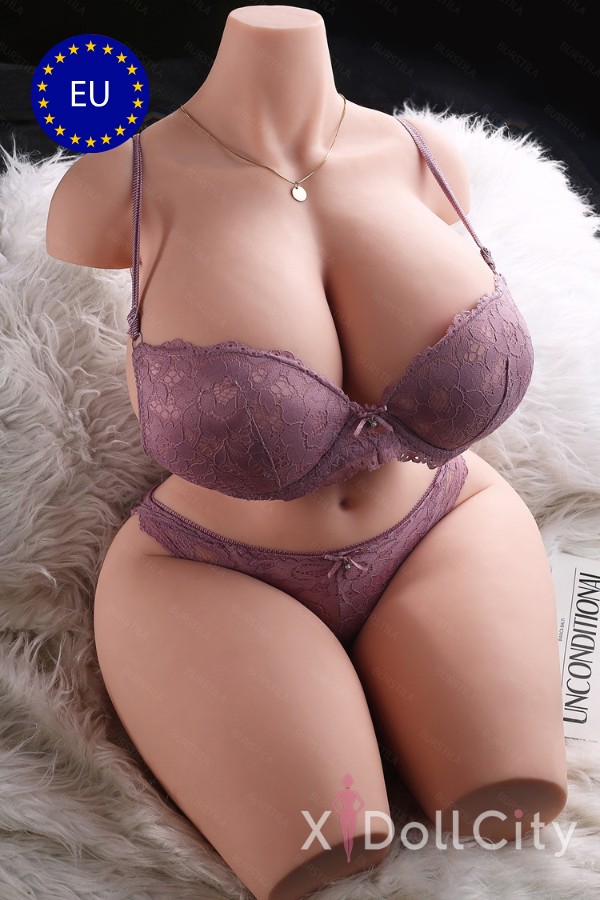
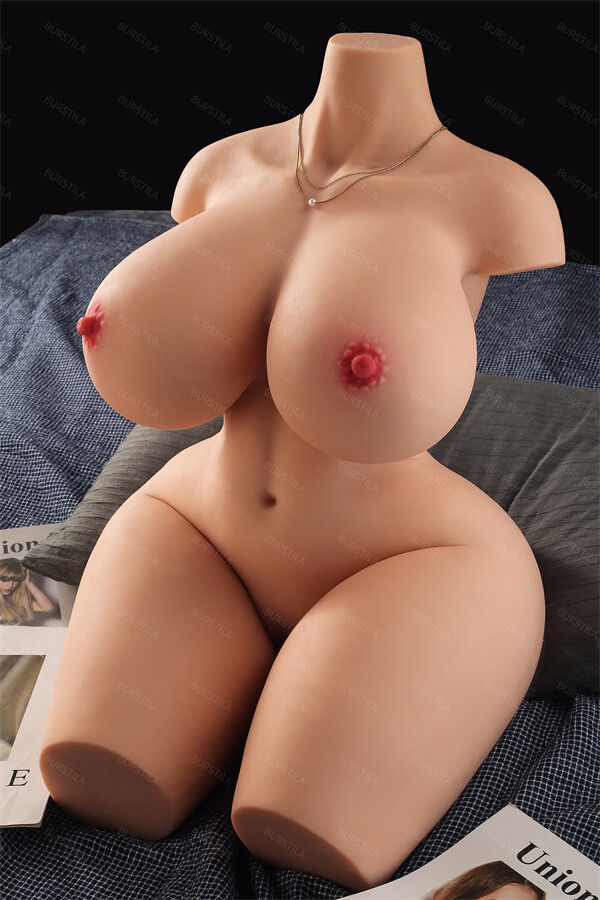
EU Stock - Maya 76cm/2′6″ Torso - The Ultimate Big Butt Real Doll for Unforgettable Pleasure
$ 822.00
$ 1,174.00