Industrial Net
2026-01-06
Industrial Net: Where Fabric Meets Seduction
Industrial net refers to a type of synthetic fabric known for its open, crisscross knit and revealing texture. Soft yet durable, it stretches easily and hugs the body closely—making it a popular choice for intimate apparel such as body stockings, lingerie, and mini dresses.
Unlike regular mesh fabrics, industrial net offers a balance of comfort, flexibility, and erotic appeal. Its see-through design highlights the skin while maintaining just enough coverage to leave room for imagination. For many, it’s not just clothing—it’s a way to express confidence, sensuality, and power.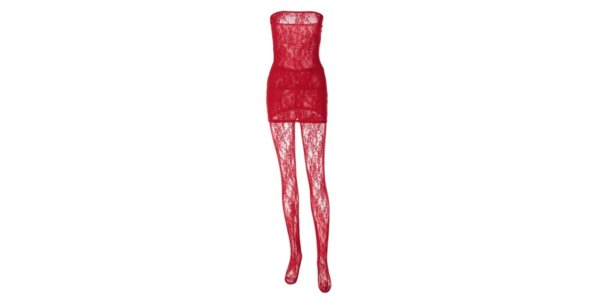
Why Industrial Net Is Loved in Intimate Fashion
The allure of industrial net lies in how it interacts with the body. Its texture follows curves, accentuates silhouettes, and creates a tactile contrast between soft skin and structured weave. The result is both visual and sensory stimulation—appealing to those who enjoy playful erotic aesthetics.
Beyond its visual appeal, this fabric represents a shift in modern lingerie design: bold, body-conscious, and unapologetically sensual. Industrial net encourages wearers to embrace their form, blending everyday comfort with seductive style.
FAQ
What is industrial net fabric?
Industrial net is a synthetic mesh fabric with a wide, crisscross knit pattern. It’s soft, flexible, and used mainly for lingerie and body-hugging outfits.
Why is industrial net used in sexy clothing?
Because of its transparency and stretch, industrial net enhances curves and skin exposure, making it perfect for intimate and sensual designs.
What is the difference between industrial net and regular mesh?
Industrial net is thicker and more durable than standard mesh, with a more pronounced weave that gives both strength and a bold, erotic look.
Is industrial net comfortable to wear?
Yes, it’s soft, breathable, and conforms to body movement. When used in lingerie, it offers both comfort and visual allure.
How should I care for industrial net garments?
Wash gently by hand or use a delicate cycle in cold water. Avoid wringing or heat drying to maintain its elasticity and texture.
Buy Sex Doll from XdollCtiy
XdollCity offers a range of highly customizable adult dolls, designed to provide emotional connection and companionship. Whether you're seeking therapeutic relief or simply a way to enhance your personal life, our dolls are tailored to meet your needs. Order your personalized companion today and start your journey toward better intimacy.
29%
OFF
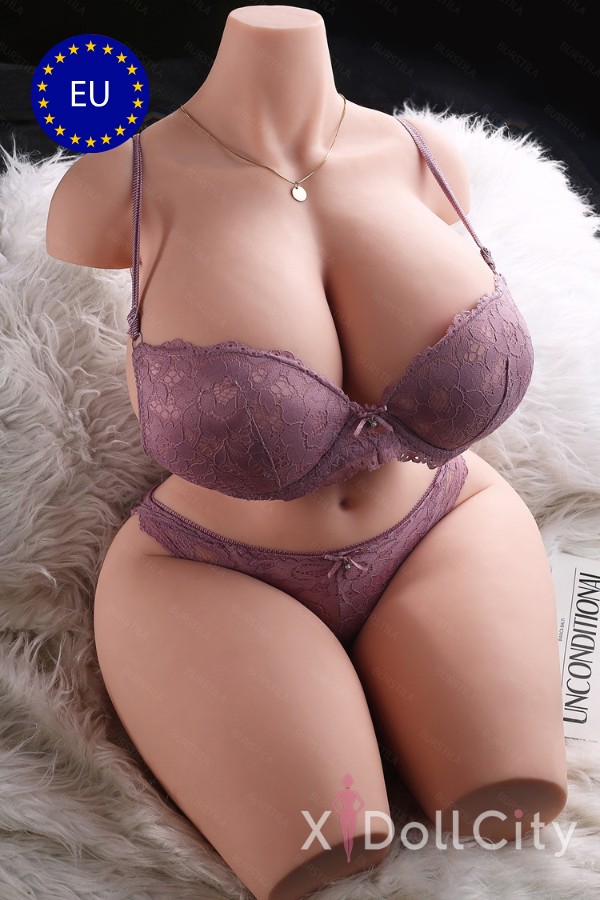
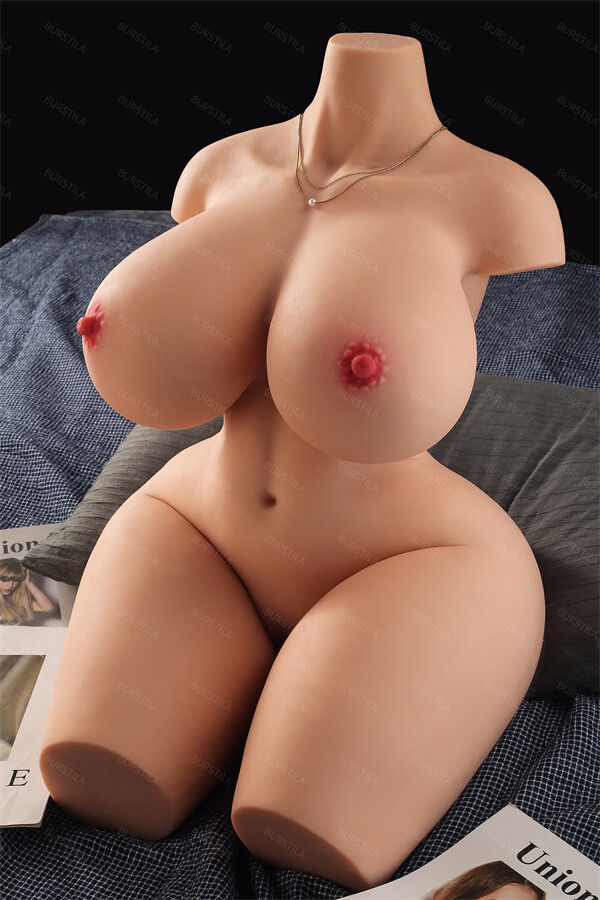
EU Stock - Maya 76cm/2′6″ Torso - The Ultimate Big Butt Real Doll for Unforgettable Pleasure
$ 822.00
$ 1,174.00