
Havelock Ellis
2025-12-06
Havelock Ellis: The Pioneer Who Redefined Human Sexuality
Havelock Ellis (1859–1939) was a British physician, psychologist, and one of the earliest researchers to study human sexuality scientifically. His work challenged Victorian-era taboos and reshaped how society viewed sexual behavior, gender identity, and erotic diversity.
Ellis co-authored Sexual Inversion (1897), one of the first published studies on homosexuality, treating it as a natural variation rather than a moral failing. His open-minded and research-driven approach to sexual behavior made him a pioneer of modern sexology, influencing generations of psychologists and educators.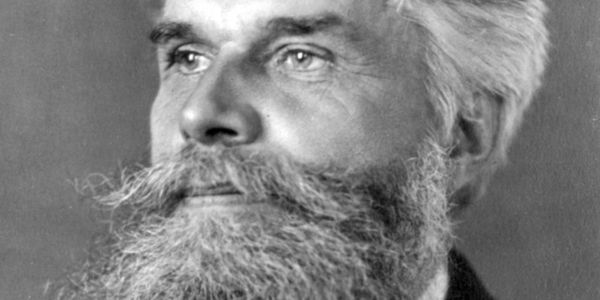
The Vision Behind Ellis’s Work
Ellis believed sexuality was a fundamental part of human identity and should be studied without shame or prejudice. His research emphasized individual experience and the psychological dimensions of desire—revolutionary ideas for his time.
He explored a wide range of subjects, including masturbation, fetishes, and female sexuality, challenging moral norms that labeled these as deviant. Ellis’s writing offered compassion and scientific reasoning where society had offered only judgment. His goal was not just to document sexual diversity but to normalize it—to help people understand themselves more deeply.
Today, his influence can be seen across sex education, gender studies, and psychology. Ellis’s balanced blend of empathy and analysis paved the way for later thinkers like Alfred Kinsey and Sigmund Freud.
FAQ
What was Havelock known for?
Havelock Ellis was known for pioneering the scientific study of human sexuality. His work Studies in the Psychology of Sex helped shift public understanding of sexual behavior and identity.
How did Havelock Ellis influence psychology?
Ellis integrated sexuality into psychological study, emphasizing it as a natural human trait rather than a moral issue. His ideas inspired early sexology and humanistic psychology.
What was Havelock Ellis's famous quote?
One of Ellis’s best-known quotes is: “Sex lies at the root of life, and we can never learn to reverence life until we know how to understand sex.”
What was the Ellis theory?
Ellis proposed that sexual behavior and identity are natural variations within humanity. He rejected moral condemnation and encouraged acceptance and understanding through research.
What is a feminine inversion?
“Feminine inversion” was Ellis’s term for women who displayed same-sex attraction or masculine traits—a concept he described without stigma, seeking scientific understanding instead of judgment.
Buy Sex Doll from XdollCtiy
XdollCity offers a range of highly customizable adult dolls, designed to provide emotional connection and companionship. Whether you're seeking therapeutic relief or simply a way to enhance your personal life, our dolls are tailored to meet your needs. Order your personalized companion today and start your journey toward better intimacy.


29%
OFF
EU Stock - Maya 76cm/2′6″ Torso - The Ultimate Big Butt Real Doll for Unforgettable Pleasure
$ 822.00
$ 1,174.00