
Haptephilia
2026-01-13
Haptephilia: When Touch Becomes an Erotic Language
Haptephilia refers to a form of sexual arousal that centers on touch and physical contact. For people who experience haptephilia, the sensation of skin-to-skin connection—whether soft caresses, firm grips, or gentle pressure—becomes the main source of erotic stimulation.
This attraction isn’t limited to sexual acts; it’s about how the body communicates desire through touch. The feeling of warmth, texture, or even closeness can evoke arousal, emotional intimacy, or a deep sense of comfort. In a way, haptephilia transforms physical touch into a language of passion, trust, and connection.
The Role of Touch in Human Desire
Touch is one of the most powerful human senses—it bridges emotion and physicality. For individuals with haptephilia, tactile experiences trigger both psychological and physiological responses. The skin, being the body’s largest sensory organ, becomes a medium for intimacy, translating subtle gestures into profound emotional messages.
In relationships, this form of attraction often leads to a heightened awareness of body language. Gentle contact, hugging, or even brushing against a partner’s arm can become an act of affection or foreplay. Unlike fetishes focused on specific objects or scenarios, haptephilia emphasizes presence—the act of feeling as a way of being close.
FAQ
What does haptephilia mean?
Haptephilia is a sexual attraction to physical touch or skin contact. People with this preference find tactile sensations highly arousing and emotionally satisfying.
Is haptephilia considered a fetish?
Yes, it’s often classified as a fetish or paraphilia, but not always in a clinical sense. It becomes significant only when touch plays a central role in a person’s arousal or sexual expression.
How is haptephilia different from general affection?
While affection involves emotional comfort, haptephilia is distinctly erotic. The person’s arousal is linked to the tactile experience itself rather than just emotional closeness.
Can haptephilia enhance relationships?
Absolutely. When practiced consensually, it can deepen intimacy and body awareness. Many couples use touch as a way to strengthen trust and emotional connection.
What causes haptephilia?
Its origins vary—it may stem from early sensory experiences or personal associations between touch and safety. Like many paraphilias, it reflects how individual psychology links emotion and sensation.
Buy Sex Doll from XdollCtiy
XdollCity offers a range of highly customizable adult dolls, designed to provide emotional connection and companionship. Whether you're seeking therapeutic relief or simply a way to enhance your personal life, our dolls are tailored to meet your needs. Order your personalized companion today and start your journey toward better intimacy.
29%
OFF
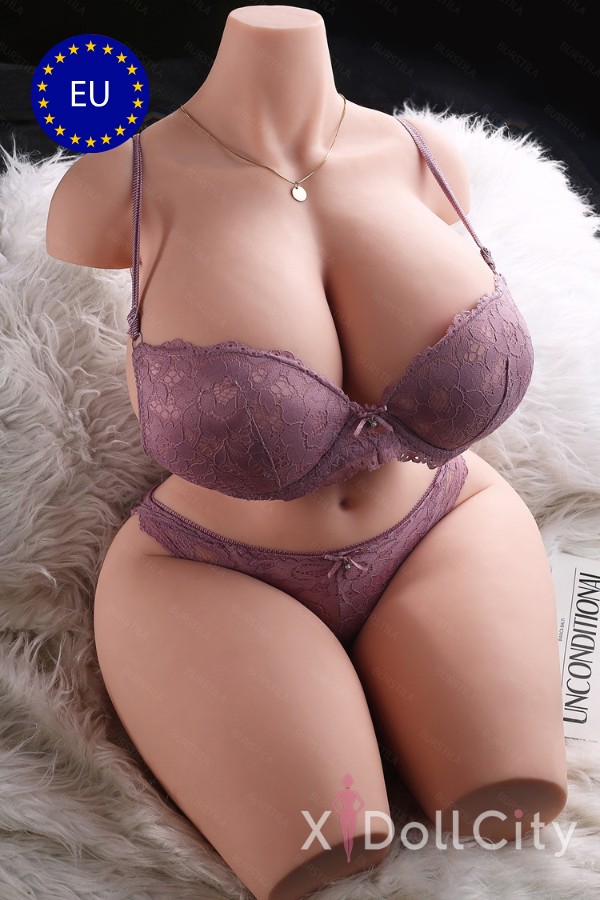
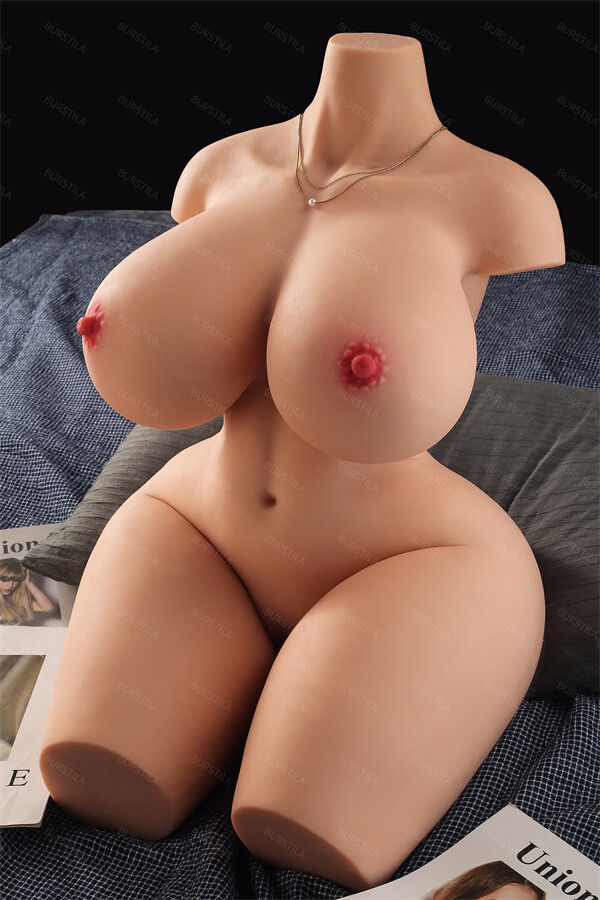
EU Stock - Maya 76cm/2′6″ Torso - The Ultimate Big Butt Real Doll for Unforgettable Pleasure
$ 822.00
$ 1,174.00