Hanky Code
2026-01-20
The Hanky Code: Color, Identity, and Sexual Expression
The Hanky Code, also known as the Bandana Code, is a system of color-coded signals once used within queer and kink communities to indicate specific sexual interests or preferences. Emerging in the 1970s LGBTQ+ leather scene, it served as a discreet yet bold form of communication during a time when open discussion about sexuality was taboo.
Each color and its placement—whether worn in the left or right pocket—carried a different meaning. For instance, a blue hanky might signal an interest in oral sex, while a black one could suggest S&M play. The side of wear also mattered: left often represented a dominant or active role, right a submissive or receptive one.
Though its original purpose was practical—to help people identify compatible partners without words—it quickly evolved into a cultural symbol of sexual freedom, confidence, and community identity.
From Underground Signal to Cultural Icon
Today, the hanky code remains part of queer heritage and BDSM culture, even as its usage has shifted from necessity to self-expression. While not everyone still follows the traditional color meanings, wearing a bandana or handkerchief continues to serve as a visual statement of identity, pride, or playful flirtation.
For some, it’s about honoring history; for others, it’s a fun nod to a time when communication relied on subtlety and courage. Whether displayed at pride events or in private spaces, the hanky code continues to remind us that sexuality—like color—is diverse, expressive, and deeply personal.
FAQ
How do people use the hanky code now?
Today, it’s mostly a form of self-expression or cultural homage. People may wear bandanas to show pride, flirt, or playfully reference the original meanings without strict adherence.
What bandana colors are safe to wear?
Neutral colors like white, black, or blue are generally safe if worn casually. Since meanings vary, most people today won’t assume the traditional sexual signals unless in BDSM or queer spaces.
What happens if we gift hanky to someone?
Gifting a hanky can be symbolic—either as a friendly gesture or a subtle signal of attraction. The meaning depends on the color and context in which it’s given.
What is the bandana rule?
Traditionally, the bandana’s color and placement indicated specific interests and roles. Left meant dominant or active; right meant submissive or receptive.
What does a black bandana mean?
A black hanky is often associated with S&M interests within the original code. Today, it can simply represent boldness, strength, or personal style.
What’s the difference between a handkerchief and a bandana?
A handkerchief is usually smaller and for personal hygiene, while a bandana is a larger fashion or signaling accessory—used decoratively or symbolically in the hanky code.
Buy Sex Doll from XdollCtiy
XdollCity offers a range of highly customizable adult dolls, designed to provide emotional connection and companionship. Whether you're seeking therapeutic relief or simply a way to enhance your personal life, our dolls are tailored to meet your needs. Order your personalized companion today and start your journey toward better intimacy.
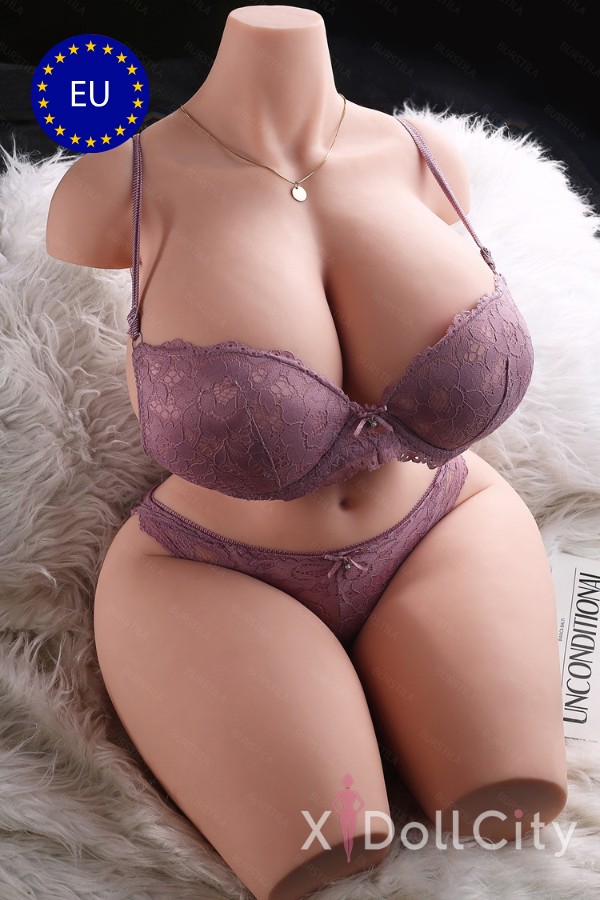

29%
OFF
EU Stock - Maya 76cm/2′6″ Torso - The Ultimate Big Butt Real Doll for Unforgettable Pleasure
$ 822.00
$ 1,174.00