
Gender Dissonance
2025-11-30
Gender Dissonance: When Identity and Expectation Collide
Gender dissonance refers to the psychological tension that arises when an individual’s internal sense of gender identity doesn’t align with societal or biological expectations. This disconnection can create emotional distress, confusion, or a sense of imbalance between how one perceives themselves and how they are perceived by others.
This experience is not limited to transgender or nonbinary individuals—anyone can experience moments of gender dissonance when confronting rigid gender roles or expectations. For example, a man may feel discomfort in expressing softness or vulnerability due to social conditioning, while a woman may feel constrained by traditional norms of femininity.
At its heart, gender dissonance highlights the complex relationship between identity, culture, and self-expression. It challenges the idea that gender is fixed or binary, reminding us that gender identity is deeply personal, shaped by emotion, experience, and authenticity.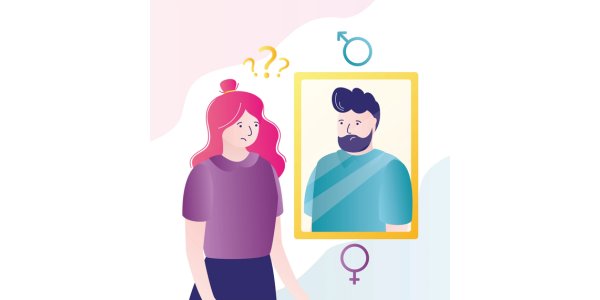
The Emotional and Social Layers of Gender Dissonance
Living with gender dissonance often involves navigating conflicting emotions—self-acceptance, social pressure, and fear of rejection. Many people cope by masking their true selves or conforming to norms to avoid judgment. Over time, this can affect mental health, leading to stress, anxiety, or emotional fatigue.
Acknowledging and understanding gender dissonance is the first step toward healing. Open dialogue, gender-affirming spaces, and professional counseling can help individuals reconnect with their authentic selves and reduce the strain caused by societal expectations.
FAQ
What is gender dissonance?
Gender dissonance is the internal conflict that occurs when a person’s gender identity doesn’t align with societal, cultural, or biological expectations, leading to emotional or psychological discomfort.
What causes gender dissonance?
It can stem from social pressure, rigid gender norms, or personal struggles with identity. The tension arises when an individual’s self-perception clashes with external labels or expectations.
How does gender dissonance affect mental health?
Persistent gender dissonance can contribute to anxiety, depression, or identity confusion. Supportive environments and acceptance are key in reducing emotional distress.
Is gender dissonance the same as gender dysphoria?
No. Gender dissonance refers to general discomfort or conflict about gender identity, while gender dysphoria is a clinical term describing significant distress that may require medical or psychological intervention.
How can someone cope with gender dissonance?
Coping involves self-exploration, therapy, and connecting with affirming communities. Expressing one’s true identity in safe spaces can help align inner and outer experiences.
Buy Sex Doll from XdollCtiy
XdollCity offers a range of highly customizable adult dolls, designed to provide emotional connection and companionship. Whether you're seeking therapeutic relief or simply a way to enhance your personal life, our dolls are tailored to meet your needs. Order your personalized companion today and start your journey toward better intimacy.


29%
OFF
EU Stock - Maya 76cm/2′6″ Torso - The Ultimate Big Butt Real Doll for Unforgettable Pleasure
$ 822.00
$ 1,174.00