
Gender Bias
2025-12-15
Gender Bias: Understanding Inequality Between the Sexes
Gender bias refers to the unfair treatment or unequal expectations placed on individuals based on their gender. It’s a social and psychological issue that affects how people are perceived, valued, and treated in personal, educational, and professional settings.
At its core, gender bias isn’t just about stereotypes—it’s about power dynamics and the assumptions society makes about what men and women “should” be. These biases can appear subtly in daily interactions, job decisions, media representation, and even in our unconscious beliefs.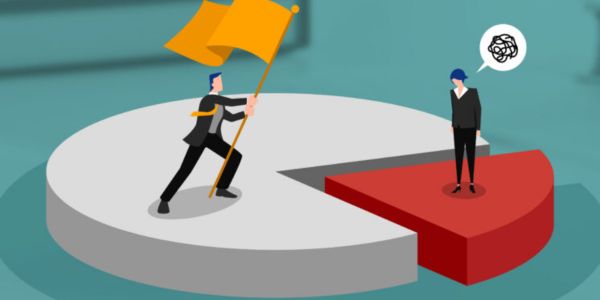
How Gender Bias Shapes Everyday Life
Gender bias starts early, often before a child even understands the concept of gender. Boys might be encouraged to be assertive, while girls are praised for being polite or nurturing. These expectations, though seemingly harmless, grow into cultural patterns that limit both men and women.
In the workplace, gender bias can influence hiring, promotion, and pay equity. In relationships, it can affect emotional roles and responsibilities. The problem persists because many biases are implicit—they operate without conscious intent, yet their impact is deeply structural.
To challenge gender bias, awareness is only the first step. It requires education, policy reform, and cultural change to ensure that gender no longer dictates opportunity or identity.
FAQ
What is the meaning of gender bias?
Gender bias is the unfair preference or prejudice toward one gender over another, often resulting in unequal treatment in social, academic, or professional contexts.
What is gender bias in psychology?
In psychology, gender bias refers to research or theories that favor one gender’s perspective while ignoring or misrepresenting the other, leading to distorted findings or stereotypes.
What is the cause of gender bias?
Gender bias often stems from cultural norms, historical inequality, and learned social roles. These patterns are reinforced by media, institutions, and unconscious beliefs.
What is an example of a bias?
A common example is assuming that men are naturally better leaders or women are more suited for caregiving roles. These assumptions limit opportunities for both genders.
How can we stop gender bias?
We can reduce gender bias through education, awareness training, equitable hiring practices, and open discussions about gender roles and expectations in society.
What are the five gender issues today?
Key gender issues today include pay inequality, workplace discrimination, underrepresentation in leadership, reproductive rights, and gender-based violence.
Buy Sex Doll from XdollCtiy
XdollCity offers a range of highly customizable adult dolls, designed to provide emotional connection and companionship. Whether you're seeking therapeutic relief or simply a way to enhance your personal life, our dolls are tailored to meet your needs. Order your personalized companion today and start your journey toward better intimacy.


29%
OFF
EU Stock - Maya 76cm/2′6″ Torso - The Ultimate Big Butt Real Doll for Unforgettable Pleasure
$ 822.00
$ 1,174.00