Gender and Sexual Minorities
2025-12-25
Gender and Sexual Minorities: Diversity Beyond the Binary
The term Gender and Sexual Minorities (GSM) refers to individuals whose gender identity, sexual orientation, or expression differs from traditional social norms. This includes people who identify as LGBTQ+, as well as those whose identities don’t fit within rigid binary concepts of male or female, straight or gay.
Unlike outdated terms that narrowly defined gender and sexuality, GSM acknowledges the wide spectrum of human identity. It represents inclusivity and recognizes that attraction, identity, and expression exist along multiple continuums—not fixed categories.
In today’s society, the understanding of gender and sexuality has evolved beyond biology. The focus now lies on self-identification and the freedom to define one’s own experience. This shift reflects a more human, compassionate view of diversity—where authenticity and acceptance are valued over conformity.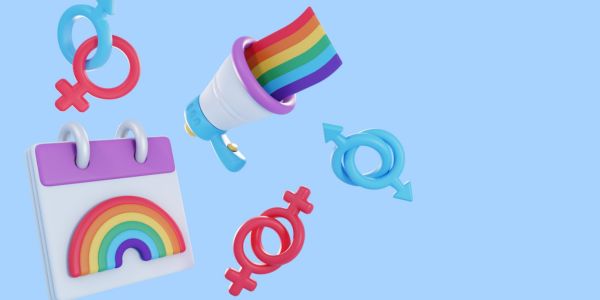
Why the Term “Gender and Sexual Minorities” Matters
Using “Gender and Sexual Minorities” emphasizes respect and equality. It avoids the stigma tied to older terminology like “nontraditional” or “deviant,” framing identity in terms of inclusion rather than difference.
For many, identifying under the GSM umbrella provides visibility and community. It allows people of varied gender identities and sexual orientations to connect through shared experiences of being underrepresented or misunderstood in mainstream culture.
This inclusive term also serves as an academic and policy-friendly phrase, used globally in research and human rights discussions to promote equality for all forms of gender and sexual expression.
FAQ
What is the meaning of gender minorities?
Gender minorities are individuals whose gender identity or expression differs from the traditional male or female binary, such as transgender or nonbinary people.
What is another word for gender minority?
Another term for gender minority is gender-diverse person or nonbinary individual, both reflecting inclusivity beyond traditional gender categories.
Is being a woman a gender minority?
In some contexts, yes—women can be considered a gender minority, especially in societies or industries where men hold the majority of power or representation.
Are Asians a minority?
Yes, in regions like North America or Europe, Asians are often classified as an ethnic minority due to their smaller population proportion within the dominant group.
How many genders are there now?
Gender is not fixed to two categories. Many cultures and experts recognize multiple genders, including male, female, nonbinary, genderfluid, and others reflecting personal identity.
What is a minority example?
A minority is a group smaller in number or influence within a society, such as LGBTQ+ individuals, ethnic groups, or people with disabilities.
Buy Sex Doll from XdollCtiy
XdollCity offers a range of highly customizable adult dolls, designed to provide emotional connection and companionship. Whether you're seeking therapeutic relief or simply a way to enhance your personal life, our dolls are tailored to meet your needs. Order your personalized companion today and start your journey toward better intimacy.


29%
OFF
EU Stock - Maya 76cm/2′6″ Torso - The Ultimate Big Butt Real Doll for Unforgettable Pleasure
$ 822.00
$ 1,174.00