Gender
2026-01-07
Gender: From Linguistic Roots to Modern Identity
The word gender has evolved far beyond its original grammatical meaning. Historically, it referred to categories of nouns—masculine, feminine, or neutral—in languages such as Latin or French. Over time, the term expanded to describe social and biological distinctions between men, women, and identities that exist beyond those binaries.
Today, gender represents more than biology. It encompasses the cultural, psychological, and personal dimensions that define how people experience and express themselves. Unlike sex, which refers to biological attributes, gender is shaped by individual perception, social expectation, and self-identification.
Understanding gender in modern society means recognizing that identity isn’t fixed—it’s diverse and fluid. For some, it aligns with traditional male or female categories; for others, it exists somewhere in between or outside those norms entirely.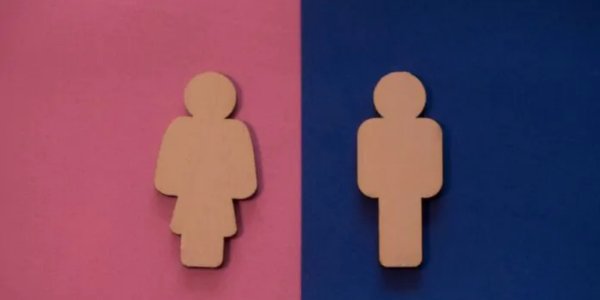
The Evolution of Gender Identity
The concept of gender has transformed dramatically over centuries. Once seen as purely biological, it’s now viewed as a spectrum of identities influenced by culture and experience.
Modern discussions of gender emphasize expression and authenticity—how a person chooses to present themselves and how they wish to be recognized.
This evolution has also influenced law, healthcare, and education. As societies progress, definitions of gender continue to expand, embracing inclusivity and respect for individuality.
FAQ
What is the definition of gender?
Gender refers to the roles, behaviors, and identities society associates with masculinity and femininity. It’s both a social and personal concept distinct from biological sex.
What are the 4 types of genders?
Common classifications include male, female, nonbinary, and genderfluid. However, gender identity can exist beyond these categories, reflecting personal and cultural diversity.
What is gender in your own words?
Gender is how a person understands and expresses themselves within—or outside—traditional male and female roles. It reflects identity, not just biology.
What is the legal definition of gender?
Legally, gender often refers to a person’s recognized identity, which may or may not align with their biological sex. Many jurisdictions now protect gender expression and identity under law.
How many genders do we have?
There is no fixed number. Gender is fluid and culturally defined, encompassing a wide range of identities beyond the binary understanding of male and female.
What is the first definition of gender?
Historically, the word “gender” originated from Latin genus, meaning “kind” or “type.” It was first used to describe grammatical categories before evolving into a social concept.
Buy Sex Doll from XdollCtiy
XdollCity offers a range of highly customizable adult dolls, designed to provide emotional connection and companionship. Whether you're seeking therapeutic relief or simply a way to enhance your personal life, our dolls are tailored to meet your needs. Order your personalized companion today and start your journey toward better intimacy.


29%
OFF
EU Stock - Maya 76cm/2′6″ Torso - The Ultimate Big Butt Real Doll for Unforgettable Pleasure
$ 822.00
$ 1,174.00