
Gay Liberation Movement
2026-01-20
The Gay Liberation Movement: From Resistance to Recognition
The Gay Liberation Movement emerged in the late 1960s as a pivotal force for LGBTQ+ equality, challenging the stigma, discrimination, and criminalization that surrounded homosexuality. More than a political uprising, it was a cultural and emotional awakening—a demand for dignity, self-expression, and the right to love freely.
The movement gained international attention after the Stonewall Riots of 1969 in New York City, when members of the gay community resisted police raids at the Stonewall Inn. This act of defiance ignited widespread activism and became a symbol of collective empowerment.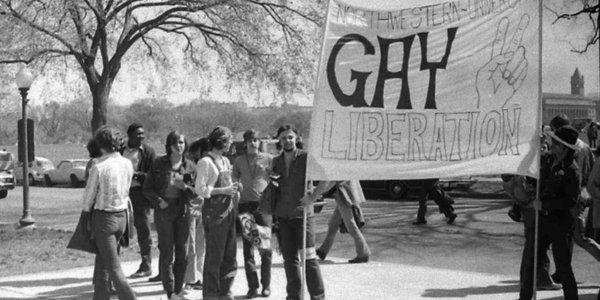
Evolution of Identity and Equality
Following Stonewall, LGBTQ+ organizations began to form worldwide, advocating for legal protection, visibility, and representation. The term “gay liberation” reflected not only a fight for rights but also for authenticity—the freedom to live without shame.
The movement’s message has since expanded beyond legal equality to include issues of gender diversity, trans rights, and social inclusion. Modern advocacy continues to push against systemic prejudice, demanding full equality in marriage, employment, and healthcare.
The Ongoing Struggle
While progress has been made, the fight for acceptance and representation is ongoing. LGBTQ+ individuals still face discrimination, social stigma, and, in some regions, legal persecution. The spirit of the Gay Liberation Movement lives on through education, activism, and cultural dialogue, reminding society that liberation is not a destination—it’s a continuous effort toward justice and equality.
FAQ
What rights are gays fighting for?
They advocate for equal rights in marriage, healthcare, and employment, along with protection from discrimination and the freedom to express identity without fear or violence.
What is the meaning of queer liberation?
Queer liberation goes beyond tolerance. It seeks freedom from social norms that restrict gender and sexuality, promoting authenticity and equality for all LGBTQ+ identities.
Do gays deserve rights?
Yes. Equal rights are fundamental human rights. Sexual orientation should never determine a person’s access to safety, opportunity, or dignity in any society.
What does the Bible say about homosexuality?
Interpretations vary widely. Some view biblical texts as condemning same-sex acts, while others emphasize compassion, equality, and the message of love found in Christian teachings.
Why is there no queer international theory?
Queer theory is still evolving globally. Its diversity of perspectives and cultural contexts makes forming one universal theory difficult, as sexuality and identity are experienced differently across societies.
Buy Sex Doll from XdollCtiy
XdollCity offers a range of highly customizable adult dolls, designed to provide emotional connection and companionship. Whether you're seeking therapeutic relief or simply a way to enhance your personal life, our dolls are tailored to meet your needs. Order your personalized companion today and start your journey toward better intimacy.
29%
OFF
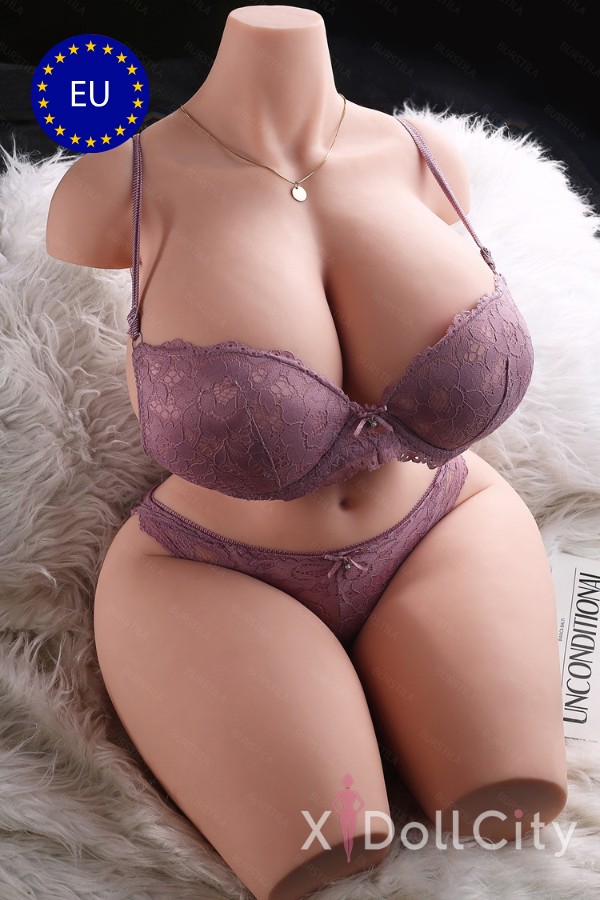
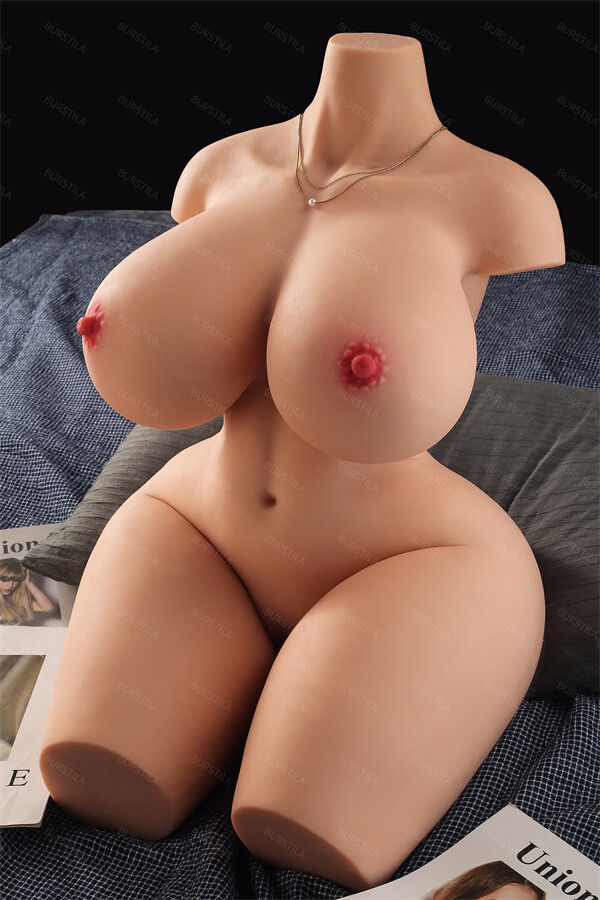
EU Stock - Maya 76cm/2′6″ Torso - The Ultimate Big Butt Real Doll for Unforgettable Pleasure
$ 822.00
$ 1,174.00