
Fascinus
2026-01-14
Fascinus: The Ancient Symbol of Protection and Erotic Power
The term Fascinus comes from ancient Roman culture, representing both sexual energy and divine protection. It referred to the phallic symbol used in art, jewelry, and rituals to ward off the evil eye and bring good fortune. Though rooted in history, the concept of Fascinus still fascinates modern audiences as a powerful symbol of masculinity, fertility, and desire.
In Roman mythology, Fascinus was personified as a divine embodiment of male sexual power. Images of the phallus were carved into amulets, pendants, and even city gates. These were not merely erotic; they were spiritual charms—believed to channel vitality, virility, and protection from misfortune.
The duality of Fascinus lies in its meaning: it celebrates sexuality not as vulgarity but as sacred energy. It was both protective and provocative—a reminder that sexual force could be creative, healing, and even divine.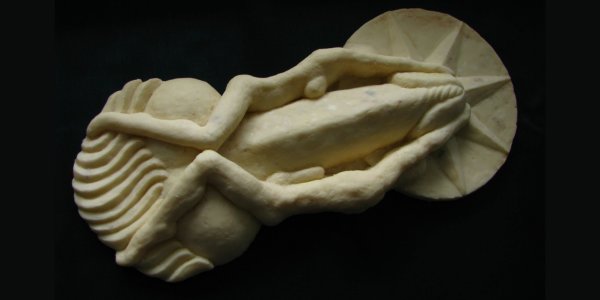
Modern Interpretations of Fascinus
Today, the idea of Fascinus lives on in discussions about sexual symbolism and cultural attitudes toward the body. In art and psychology, it represents the intersection of sexuality, confidence, and empowerment. Much like ancient Rome, modern interpretations recognize sexuality as a natural, vital part of human identity—something to be understood and celebrated rather than hidden.
In contemporary terms, Fascinus can also symbolize sexual self-acceptance. It invites individuals to embrace desire with respect and confidence, seeing sexuality as a life-affirming force rather than something taboo.
FAQ
What does Fascinus mean in ancient Rome?
In Roman culture, Fascinus referred to a sacred phallic symbol believed to protect against evil and bring fertility, luck, and masculine strength.
Was Fascinus considered a god?
Yes. Fascinus was personified as a divine power representing male sexuality and fertility. Romans worshipped him as both protector and symbol of creative energy.
How was the Fascinus used?
It appeared on amulets, jewelry, and statues to ward off curses or the evil eye. Soldiers and families often carried Fascinus charms for good fortune.
Is Fascinus related to erotic art?
Yes, but it’s more than erotic imagery. Fascinus symbolizes the sacred link between sexual power, protection, and divine life force in human culture.
What does Fascinus symbolize today?
Modern interpretations view Fascinus as a symbol of sexual confidence, self-acceptance, and empowerment—echoing its ancient role as a charm of vitality and desire.
Buy Sex Doll from XdollCtiy
XdollCity offers a range of highly customizable adult dolls, designed to provide emotional connection and companionship. Whether you're seeking therapeutic relief or simply a way to enhance your personal life, our dolls are tailored to meet your needs. Order your personalized companion today and start your journey toward better intimacy.


29%
OFF
EU Stock - Maya 76cm/2′6″ Torso - The Ultimate Big Butt Real Doll for Unforgettable Pleasure
$ 822.00
$ 1,174.00