
Deadname
2026-01-20
Understanding Deadname: Identity, Respect, and Emotional Impact
A deadname refers to the birth name of a transgender or nonbinary person that they no longer use after transitioning. This term highlights the separation between someone’s past identity and their true, lived gender identity. Using the correct name is more than politeness—it’s a sign of respect for a person’s authentic self.
When someone transitions, their chosen name becomes a vital part of their gender affirmation. Calling them by their old name, intentionally or not, can cause emotional pain or discomfort because it disregards their gender identity and personal growth. The concept of a “deadname” is therefore symbolic—the old name represents a version of the self that has been left behind.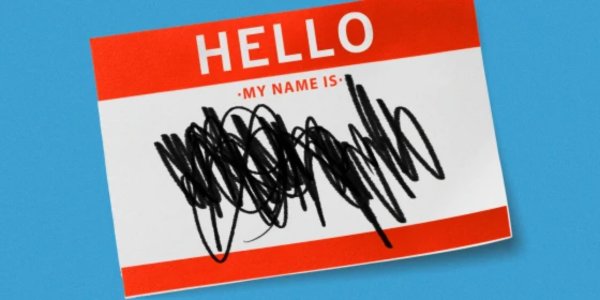
Why Using the Right Name Matters
Names carry identity, dignity, and validation. For transgender individuals, being called by the right name reinforces self-worth and social recognition. Deadnaming, on the other hand, can trigger feelings of disrespect, invalidation, or alienation.
Even when done accidentally, deadnaming can evoke strong emotions because it reminds the person of a time when they weren’t fully accepted or recognized. Respectful communication—using the chosen name consistently—builds trust and supports inclusion.
The best approach is simple: if you make a mistake, correct yourself, apologize briefly, and move on. Over-apologizing can shift focus away from the person affected and onto your discomfort.
FAQ
Why is it called a deadname?
It’s called a deadname because it refers to a name that no longer represents someone’s identity. The old name is considered “dead” after a person transitions and adopts their true name.
Why does deadnaming hurt?
Deadnaming invalidates a person’s gender identity. It can reopen emotional wounds and remind them of times they weren’t recognized or respected for who they are.
What is another word for dead name?
While “deadname” is the most common term, some prefer former name or birth name when referring to a previous identity in neutral, factual contexts.
Is deadnaming rude?
Yes, intentionally deadnaming someone is considered disrespectful. It disregards their chosen identity and may cause emotional harm or distress.
Can a straight person have a deadname?
Typically, “deadname” refers to transgender or nonbinary people. However, anyone who changes their name for personal identity reasons may relate to the emotional meaning of the term.
What do I do if I accidentally deadname someone?
If you accidentally deadname someone, simply correct yourself, use their correct name, and continue the conversation respectfully. Avoid over-apologizing or drawing extra attention to the mistake.
Buy Sex Doll from XdollCtiy
XdollCity offers a range of highly customizable adult dolls, designed to provide emotional connection and companionship. Whether you're seeking therapeutic relief or simply a way to enhance your personal life, our dolls are tailored to meet your needs. Order your personalized companion today and start your journey toward better intimacy.


29%
OFF
EU Stock - Maya 76cm/2′6″ Torso - The Ultimate Big Butt Real Doll for Unforgettable Pleasure
$ 822.00
$ 1,174.00