
Candidiasis
2026-01-08
Understanding Candidiasis: A Common Yet Misunderstood Infection
Candidiasis is a fungal infection caused by the overgrowth of Candida, a yeast naturally found in the body. While it’s often linked to the genital area, Candida can also affect the mouth, skin, or digestive tract. It’s a common condition that impacts both men and women, though women are generally more prone due to hormonal changes and vaginal pH balance.
Candidiasis is not always sexually transmitted—but sexual activity can sometimes trigger or worsen the infection. The fungus thrives in warm, moist environments, making areas like the genitals or mouth more susceptible. Poor hygiene, weakened immunity, antibiotic use, or an imbalance in the body’s natural flora are common contributing factors.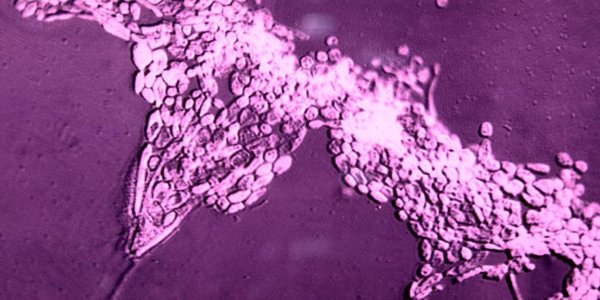
Recognizing and Managing Symptoms
The symptoms of candidiasis vary depending on the affected area:
-
Genital area: itching, burning, discharge, or discomfort during sex or urination
-
Mouth (oral thrush): white patches, soreness, or difficulty swallowing
-
Skin: redness, irritation, or rash in folds or moist regions
Although candidiasis can be uncomfortable, it’s usually easy to treat with antifungal medication or lifestyle adjustments. For most people, understanding its triggers and practicing good hygiene are key to prevention and long-term relief.
FAQ
What causes candidiasis?
Candidiasis occurs when the Candida fungus overgrows due to factors like antibiotics, hormonal shifts, high humidity, or a weakened immune system.
How do you know if you have Candida?
Common symptoms include itching, burning, white discharge, or irritation in the affected area. A doctor can confirm it through a physical exam or lab test.
Is candidiasis a STD?
No, candidiasis is not classified as a sexually transmitted disease. However, sexual contact can occasionally spread or aggravate the infection.
What is the best treatment for candidiasis?
Antifungal creams, oral medications, or suppositories are common treatments. Maintaining hygiene and reducing sugar intake also help prevent recurrence.
How long does candidiasis usually last?
With proper treatment, symptoms often improve within a few days and fully resolve in about one to two weeks. Chronic cases may require longer care.
Does eating sugar cause yeast infections?
High sugar intake can promote yeast growth since Candida feeds on glucose. Reducing sugar consumption may help prevent future infections.
Can candidiasis go away naturally?
Mild cases sometimes resolve with improved hygiene and balanced diet. However, persistent infections should be treated medically to prevent recurrence.
Buy Sex Doll from XdollCtiy
XdollCity offers a range of highly customizable adult dolls, designed to provide emotional connection and companionship. Whether you're seeking therapeutic relief or simply a way to enhance your personal life, our dolls are tailored to meet your needs. Order your personalized companion today and start your journey toward better intimacy.


29%
OFF
EU Stock - Maya 76cm/2′6″ Torso - The Ultimate Big Butt Real Doll for Unforgettable Pleasure
$ 822.00
$ 1,174.00