Camp Follower
2026-01-21
Camp Follower: From Military Companions to Cultural Symbol
The term camp follower originally referred to civilians—often women—who accompanied military camps to provide essential services like cooking, laundry, and nursing. However, over time, the term evolved to carry a sexual and social connotation, describing individuals who offered companionship or sexual comfort to soldiers.
In the context of sexuality, camp followers represented a mix of practicality and intimacy. During long campaigns, emotional and physical needs often blurred, and these relationships became part of the unspoken fabric of military life. While the term once bore judgment, modern interpretations recognize the complex social and emotional dynamics that existed between soldiers and their followers.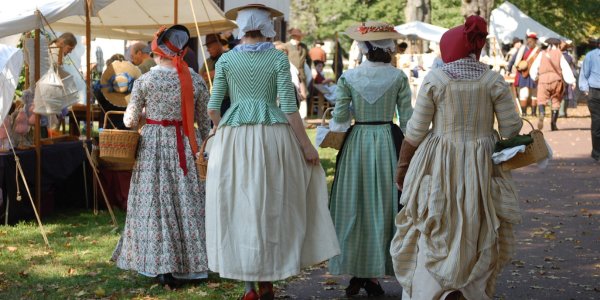
Intimacy Beyond the Battlefield
Camp followers weren’t just companions—they reflected the intersection between war, loneliness, and human connection. For many, these relationships offered brief moments of comfort and humanity amid chaos. Some followers traveled with armies out of survival; others formed genuine emotional bonds.
Today, “camp follower” can also be used metaphorically to describe someone drawn to power or authority, particularly in intimate or romantic contexts. In this sense, it symbolizes the age-old attraction between protection and dependence, dominance and devotion.
FAQ
What is the meaning of camp follower?
A camp follower historically referred to a civilian who followed military troops, providing services or companionship. In sexual contexts, it often implies offering emotional or intimate support to soldiers.
Were camp followers always women?
Mostly, yes. Historically, women served as camp followers for soldiers, though some men provided logistical or entertainment services. The gendered perception stemmed from social norms of the time.
Why were camp followers important?
They provided care, comfort, and emotional support. For many soldiers, camp followers were essential for morale—offering stability and affection amid the hardships of war.
Does “camp follower” still have a sexual meaning today?
In modern usage, it can still suggest a sexual or romantic association with powerful figures. However, contemporary discussions focus more on emotional dynamics than stigmatized sexuality.
What does “camp follower” symbolize in relationships?
It represents attachment to strength, leadership, or protection—mirroring the attraction between authority and devotion found in many intimate relationships.
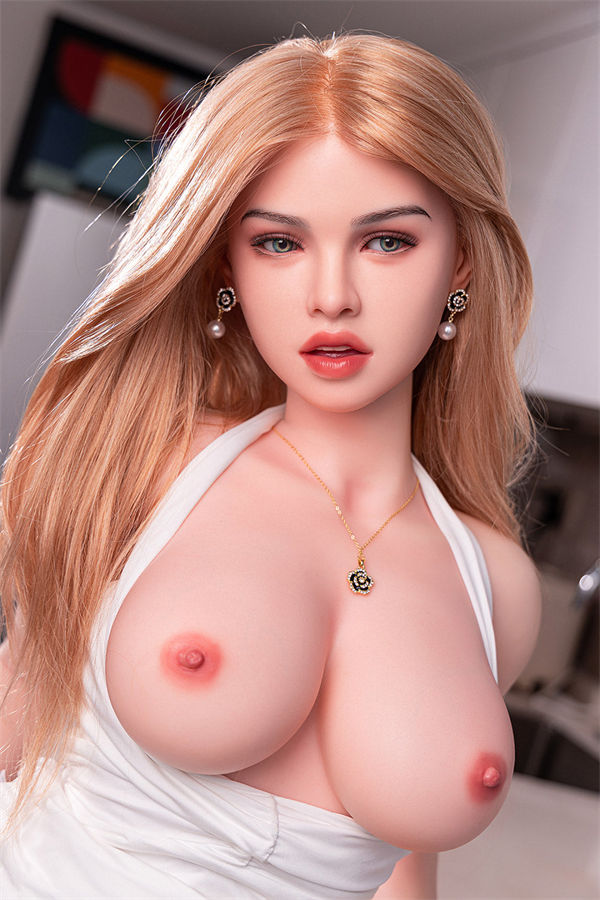
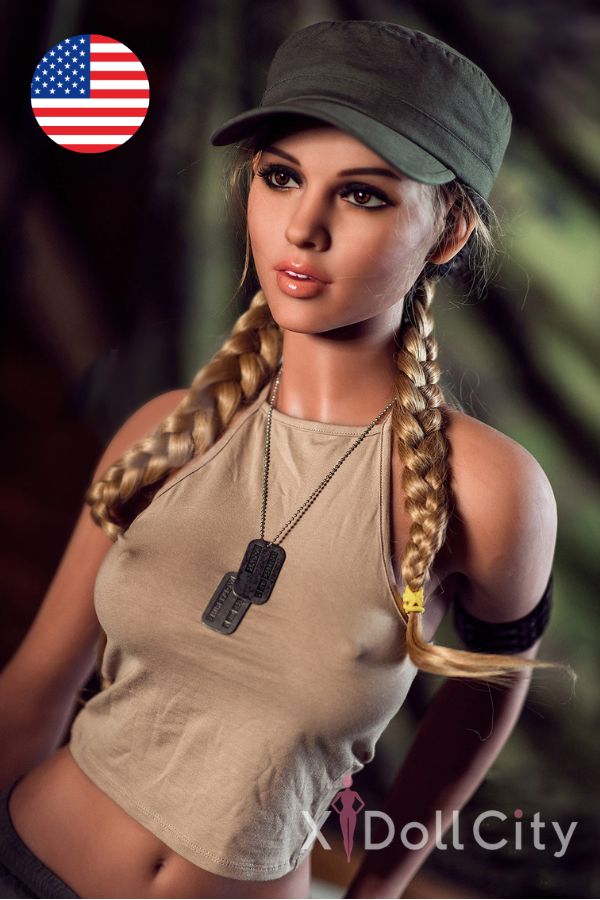
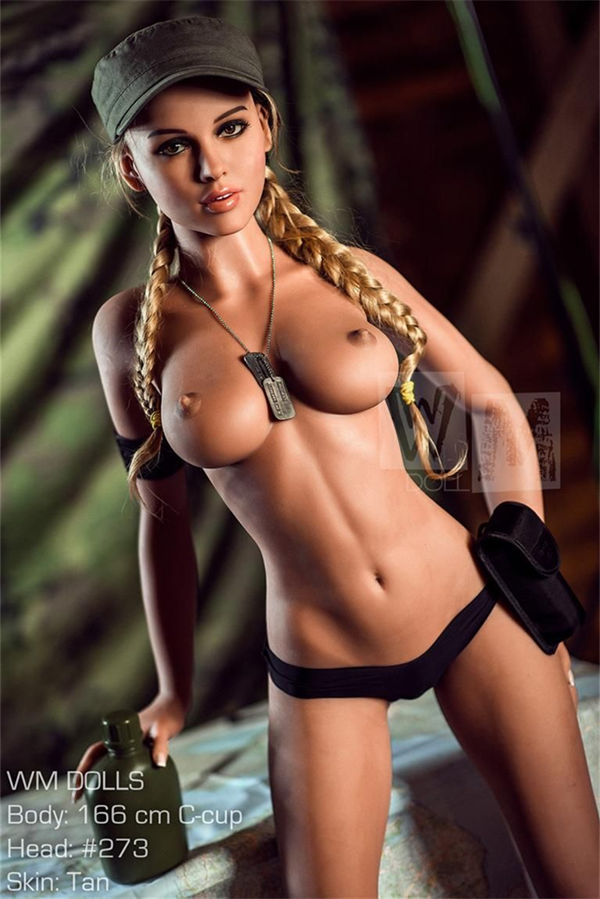
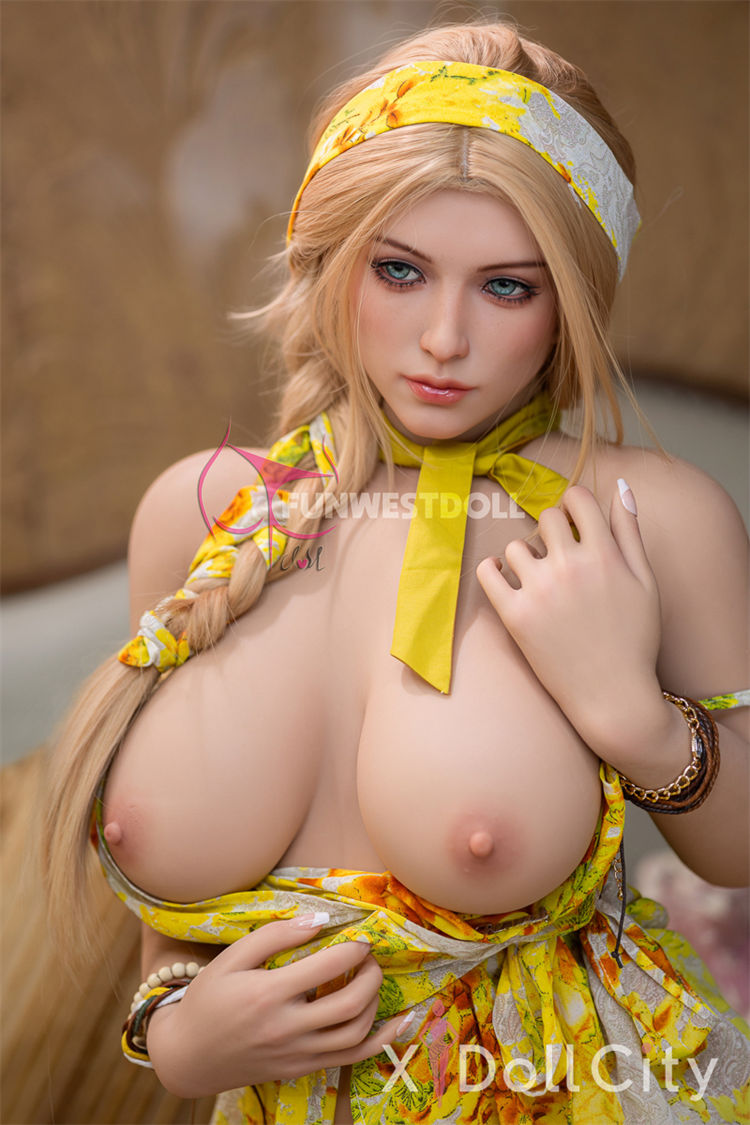
Buy Sex Doll from XdollCtiy
XdollCity offers a range of highly customizable adult dolls, designed to provide emotional connection and companionship. Whether you're seeking therapeutic relief or simply a way to enhance your personal life, our dolls are tailored to meet your needs. Order your personalized companion today and start your journey toward better intimacy.
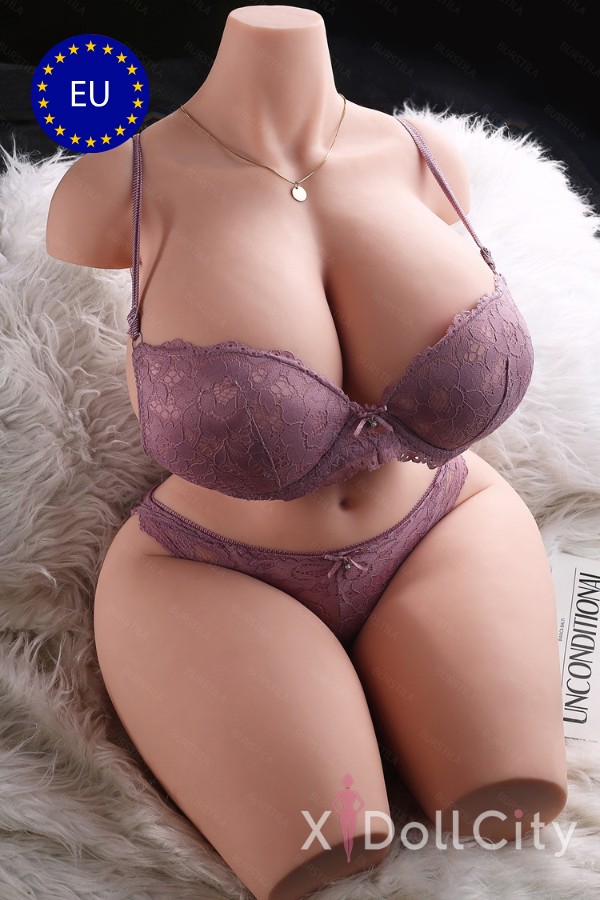
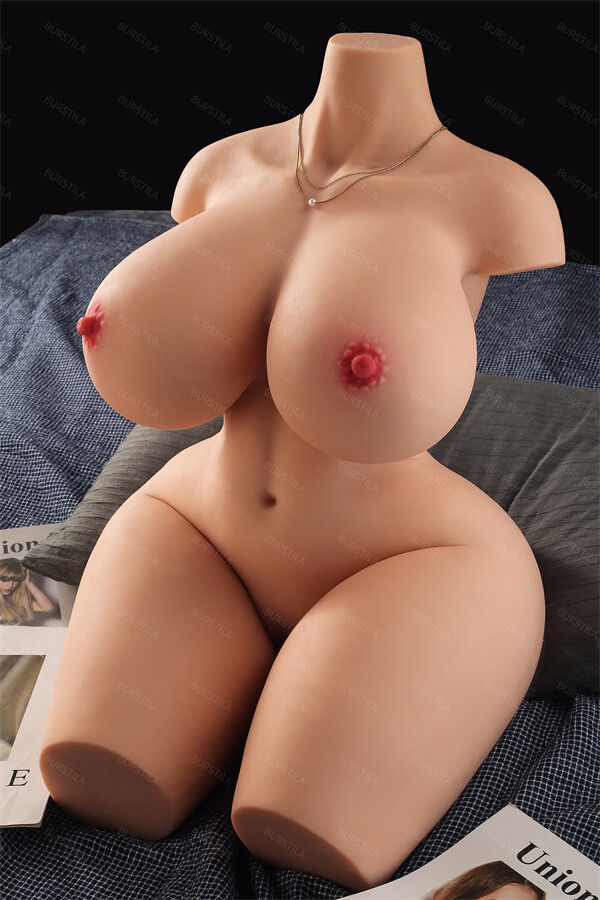
29%
OFF
EU Stock - Maya 76cm/2′6″ Torso - The Ultimate Big Butt Real Doll for Unforgettable Pleasure
$ 822.00
$ 1,174.00