Acrotomophilia
2026-02-04
Acrotomophilia: Definition
Acrotomophilia refers to a sexual attraction toward individuals with amputations. People with this preference may feel aroused by the physical presence of a missing limb or by the uniqueness of their partner’s body. The term is often grouped under paraphilias, which are uncommon but recognized variations in human sexuality.
Context and Understanding
-
Expression: Attraction can be directed toward partners with amputations in real life, or it may exist in fantasies.
-
Not the same as devoteeism: While devoteeism is a broader attraction to disabilities, acrotomophilia focuses specifically on amputations.
-
Importance of consent: Like any sexual preference, it should be approached with respect, communication, and mutual agreement.
Broader Perspective
While less common, acrotomophilia highlights the diversity of human desire. For some, it’s about admiration of resilience or uniqueness, while for others, it’s purely a physical preference. Reducing stigma around such interests encourages healthier dialogue and understanding.
FAQ
1. What does acrotomophilia mean?
It is a sexual attraction to people with amputations, focusing on the absence of a limb as part of arousal.
2. Is acrotomophilia considered a disorder?
Not necessarily. It’s classified as a paraphilia, but it is not harmful if consensual and does not interfere with healthy relationships.
3. How is acrotomophilia different from devoteeism?
Devoteeism involves attraction to disabilities in general, while acrotomophilia specifically refers to attraction to amputees.
4. Can people with acrotomophilia have normal relationships?
Yes. Many can and do form healthy, consensual relationships when mutual respect and communication are present.
5. Is acrotomophilia common?
It’s relatively rare compared to other sexual preferences, but it is recognized within discussions of paraphilia and sexual diversity.
Buy Sex Doll from XdollCtiy
XdollCity offers a range of highly customizable adult dolls, designed to provide emotional connection and companionship. Whether you're seeking therapeutic relief or simply a way to enhance your personal life, our dolls are tailored to meet your needs. Order your personalized companion today and start your journey toward better intimacy.
29%
OFF
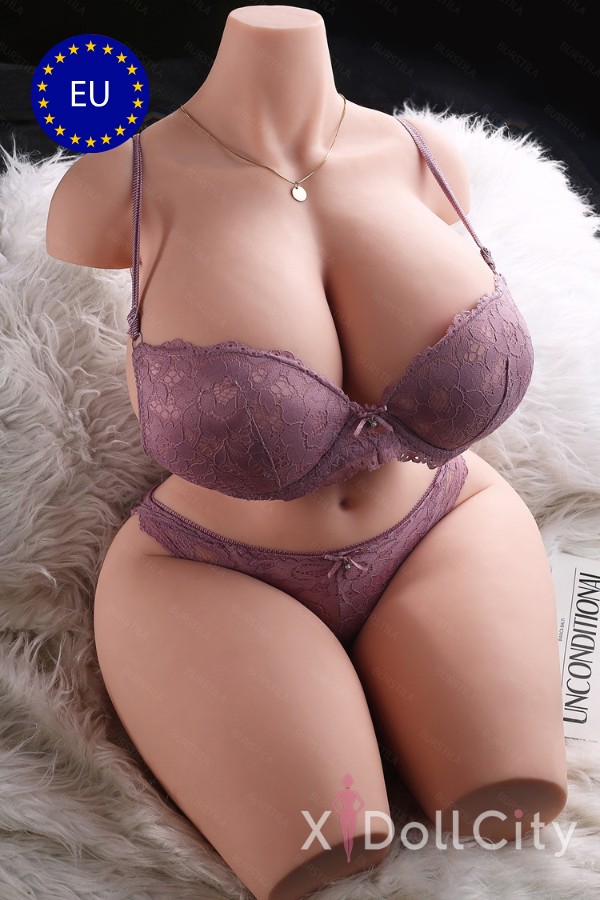
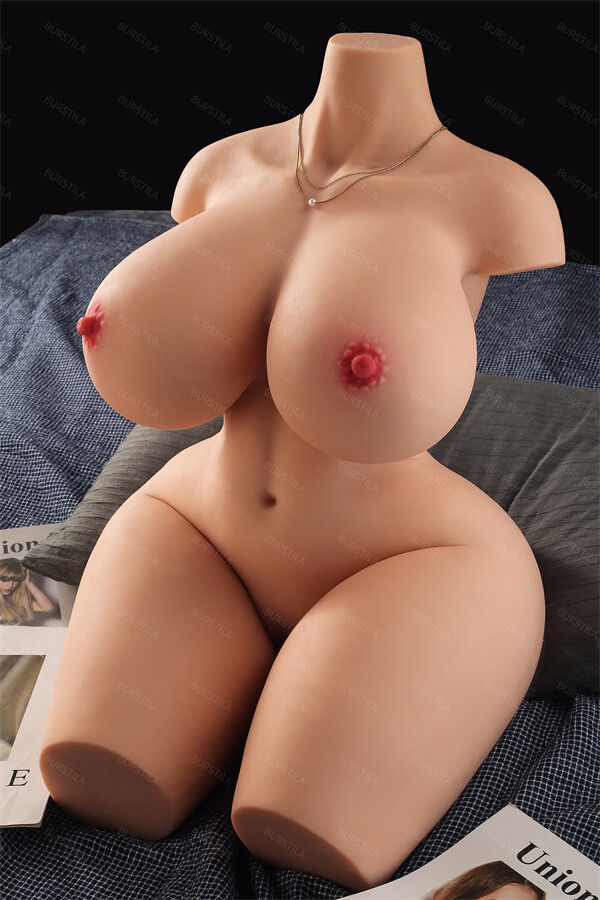
EU Stock - Maya 76cm/2′6″ Torso - The Ultimate Big Butt Real Doll for Unforgettable Pleasure
$ 822.00
$ 1,174.00