Acedolagnia
2026-02-05
Acedolagnia: Definition and Meaning
Acedolagnia is a sexual condition marked by indifference to sexual activity. People who are acedolagnic generally feel little or no desire for intercourse or sexual matters. The term comes from Greek: a- meaning “without,” kedos meaning “care,” and lagneia meaning “lust.”
How It Appears
-
Lack of sexual interest: Individuals may not seek out sexual activity or feel arousal in typical sexual situations.
-
Emotional neutrality: Being acedolagnic does not necessarily affect romantic or emotional intimacy—they may still enjoy closeness or affection.
-
Variation: The level of indifference can vary; some may feel completely neutral, others mildly uninterested.
Why Understanding It Matters
Recognizing acedolagnia can help in understanding sexual diversity and respecting personal boundaries. It’s important to distinguish it from sexual dysfunction—acedolagnia is about lack of desire, not inability.
FAQ
1. What does acedolagnia mean?
It’s a sexual condition where a person shows indifference to sexual activity and generally feels little desire for intercourse.
2. Is acedolagnia the same as asexuality?
Not exactly. Asexuality is broader, including lack of sexual attraction. Acedolagnia specifically refers to indifference to sexual acts themselves.
3. Can acedolagnic people have relationships?
Yes. They can enjoy emotional intimacy and romantic bonds even if sexual activity is not important to them.
4. What causes acedolagnia?
It may arise from personal temperament, past experiences, or psychological factors. It’s considered part of sexual diversity rather than a disorder needing treatment.
5. How is acedolagnia identified?
It’s recognized through self-report of indifference toward sexual activity, rather than through medical tests or physical symptoms.
Buy Sex Doll from XdollCtiy
XdollCity offers a range of highly customizable adult dolls, designed to provide emotional connection and companionship. Whether you're seeking therapeutic relief or simply a way to enhance your personal life, our dolls are tailored to meet your needs. Order your personalized companion today and start your journey toward better intimacy.
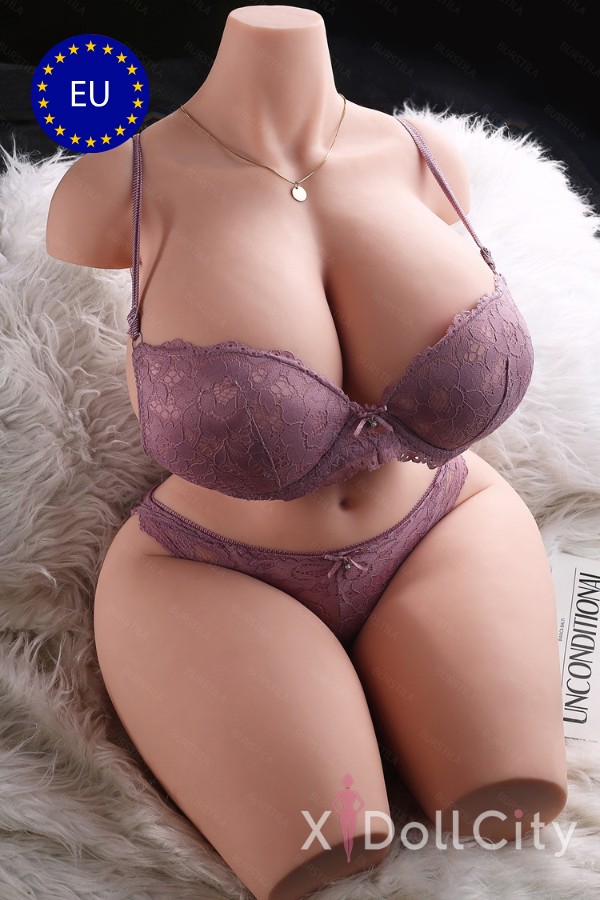
29%
OFF
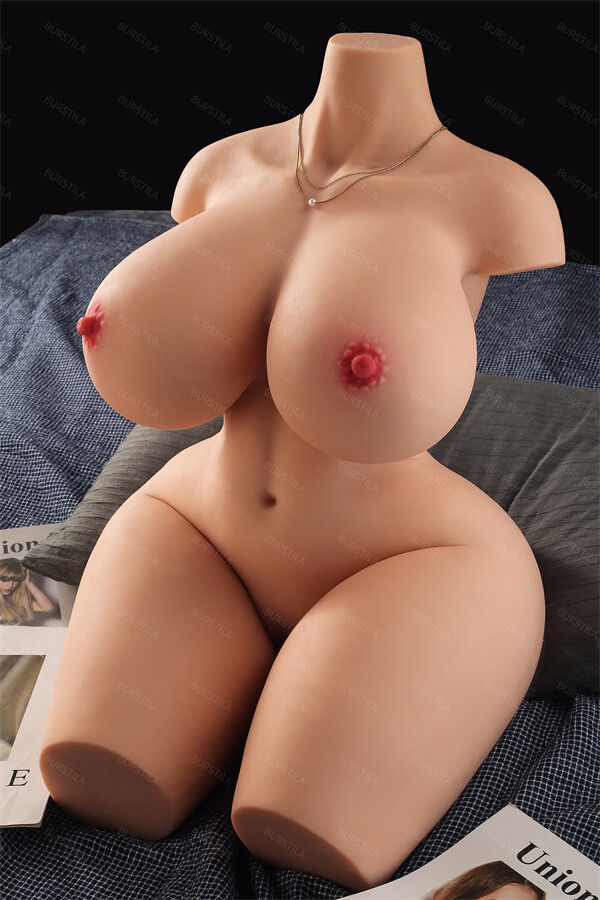
EU Stock - Maya 76cm/2′6″ Torso - The Ultimate Big Butt Real Doll for Unforgettable Pleasure
$ 822.00
$ 1,174.00